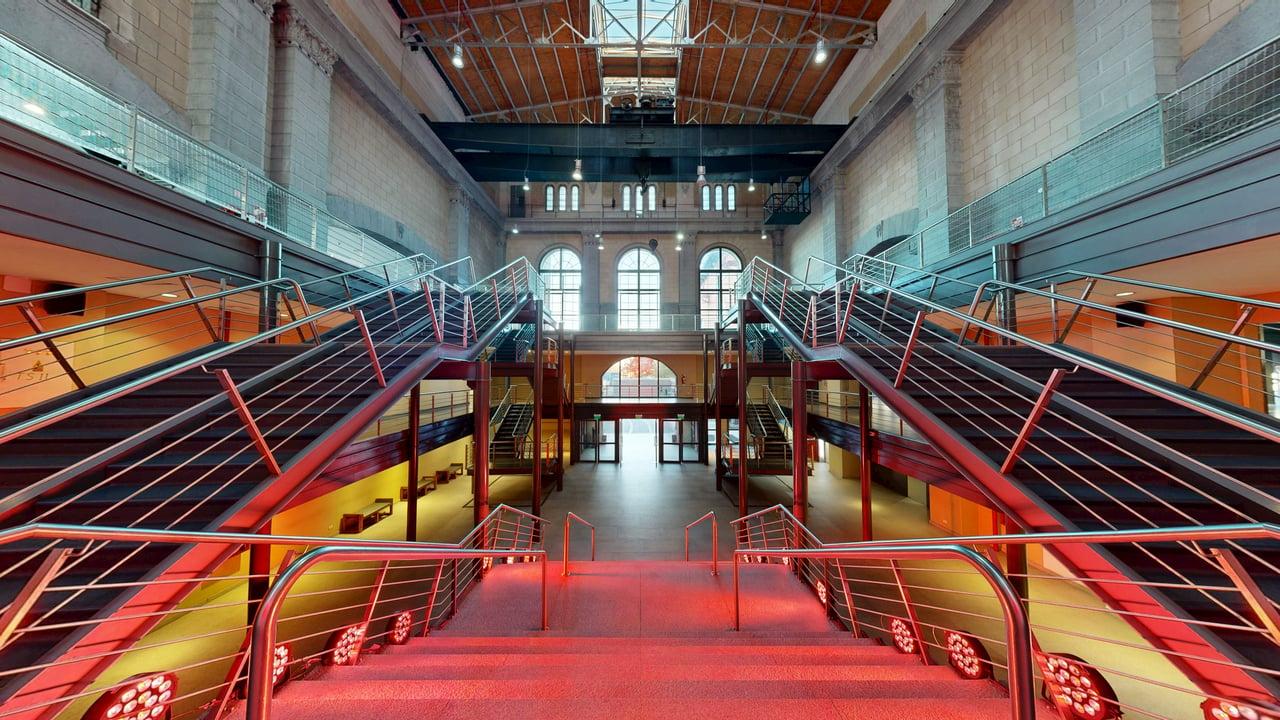

Usina del Arte
Concert hall
Neighborhood
La Boca
La Boca
Founded in
1917
1917
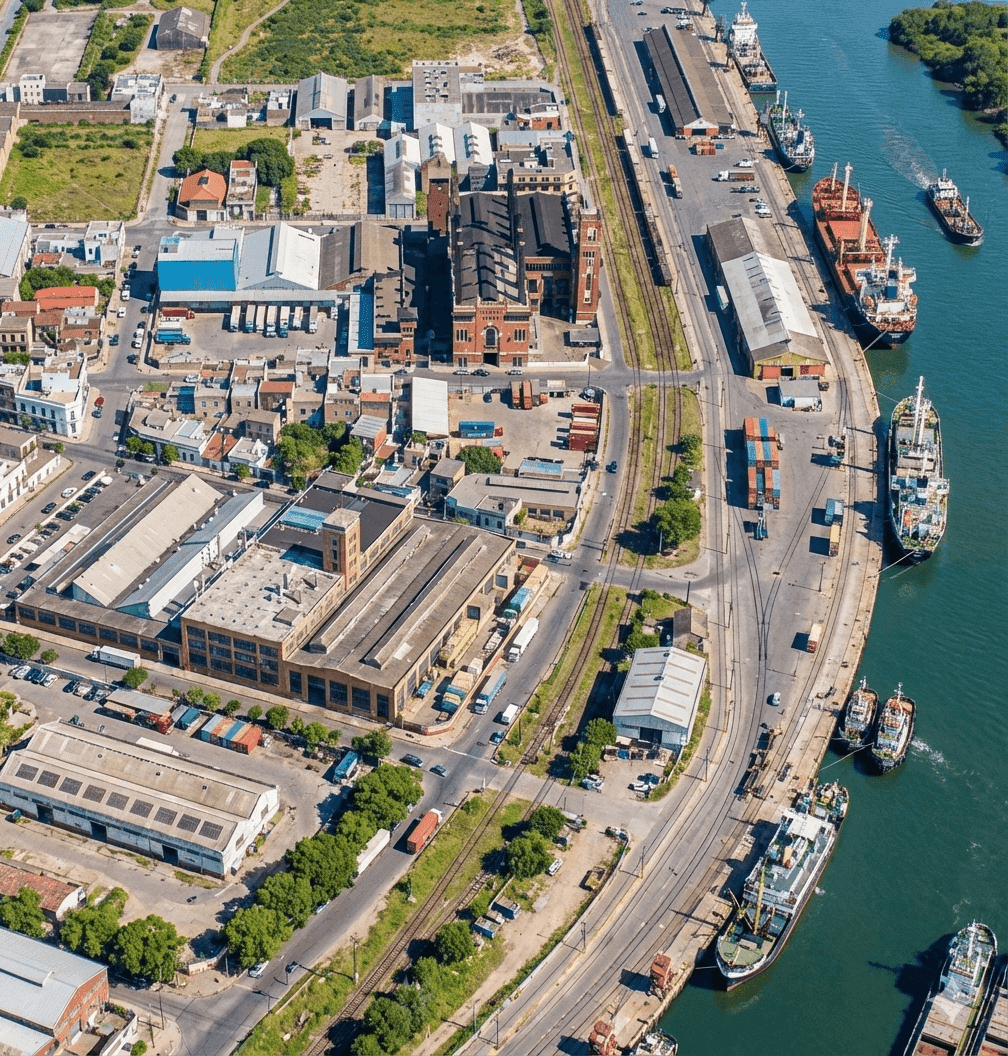
Former power plant converted into a cultural center and concert hall of the City. Located in the La Boca neighborhood, the Usina del Arte is now an icon of the urban transformation of Buenos Aires and a venue for concerts, exhibitions, and free activities for the entire community.
Former power plant converted into a cultural center and concert hall of the City. Located in the La Boca neighborhood, the Usina del Arte is now an icon of the urban transformation of Buenos Aires and a venue for concerts, exhibitions, and free activities for the entire community.
History
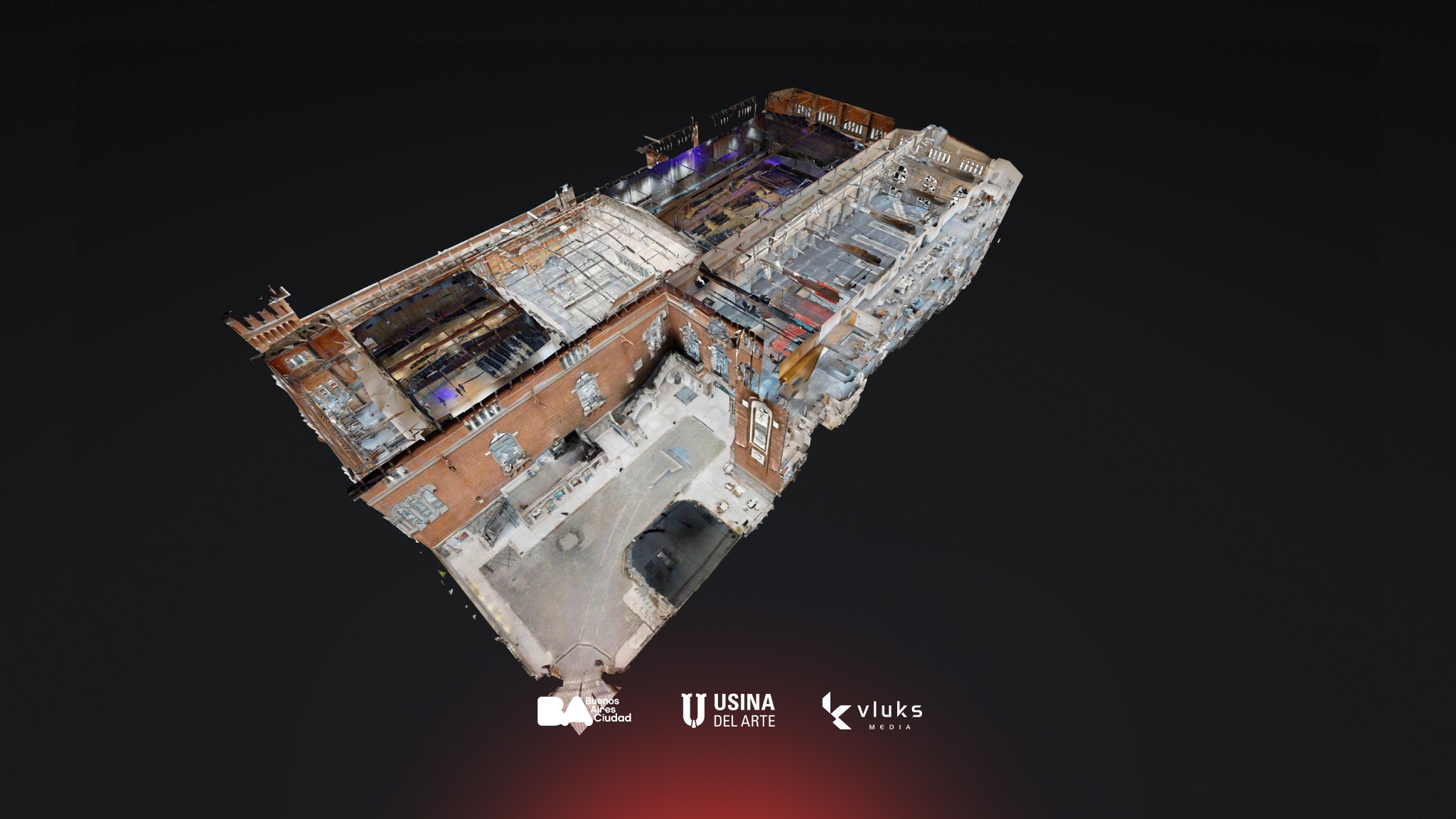
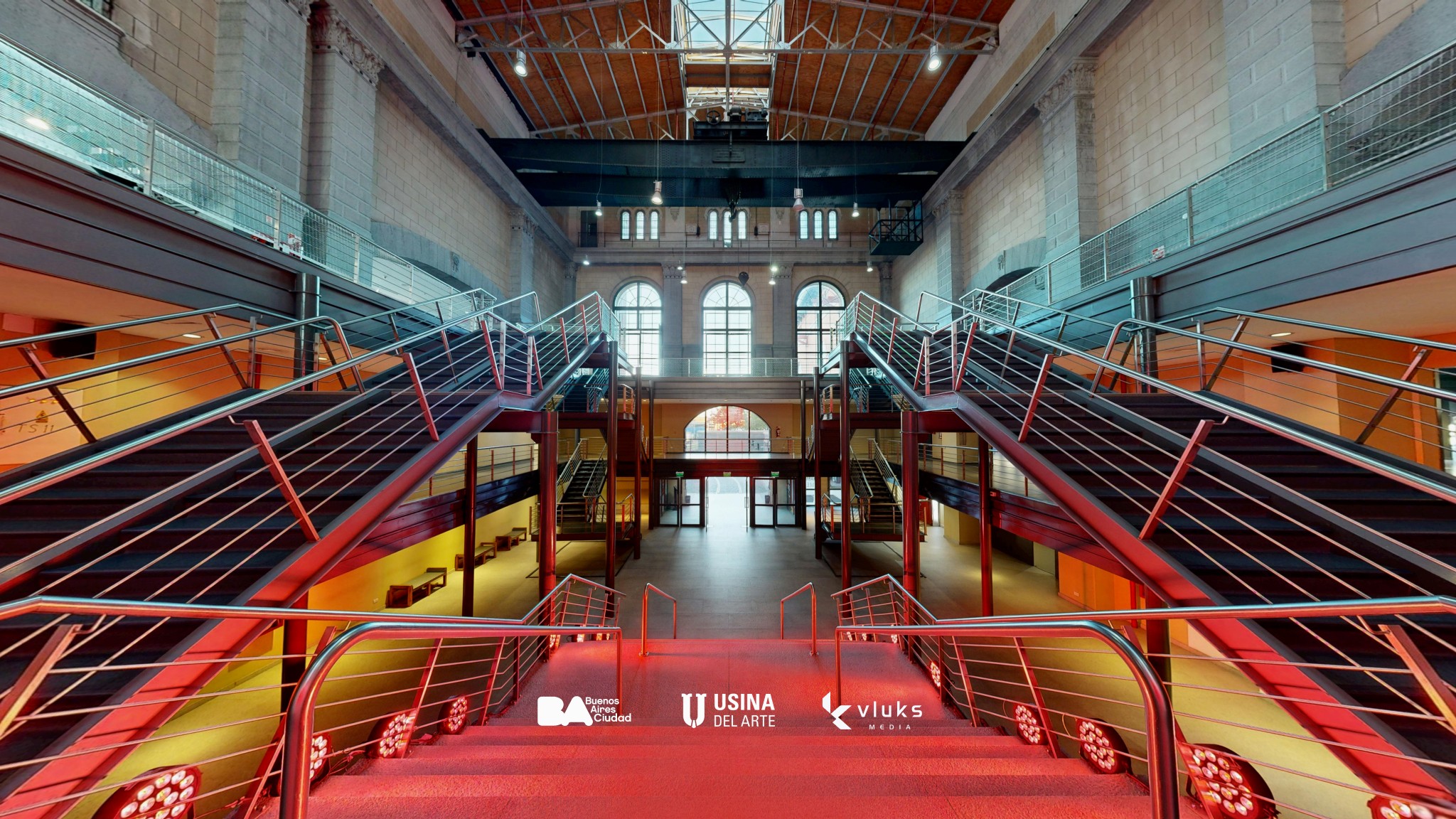
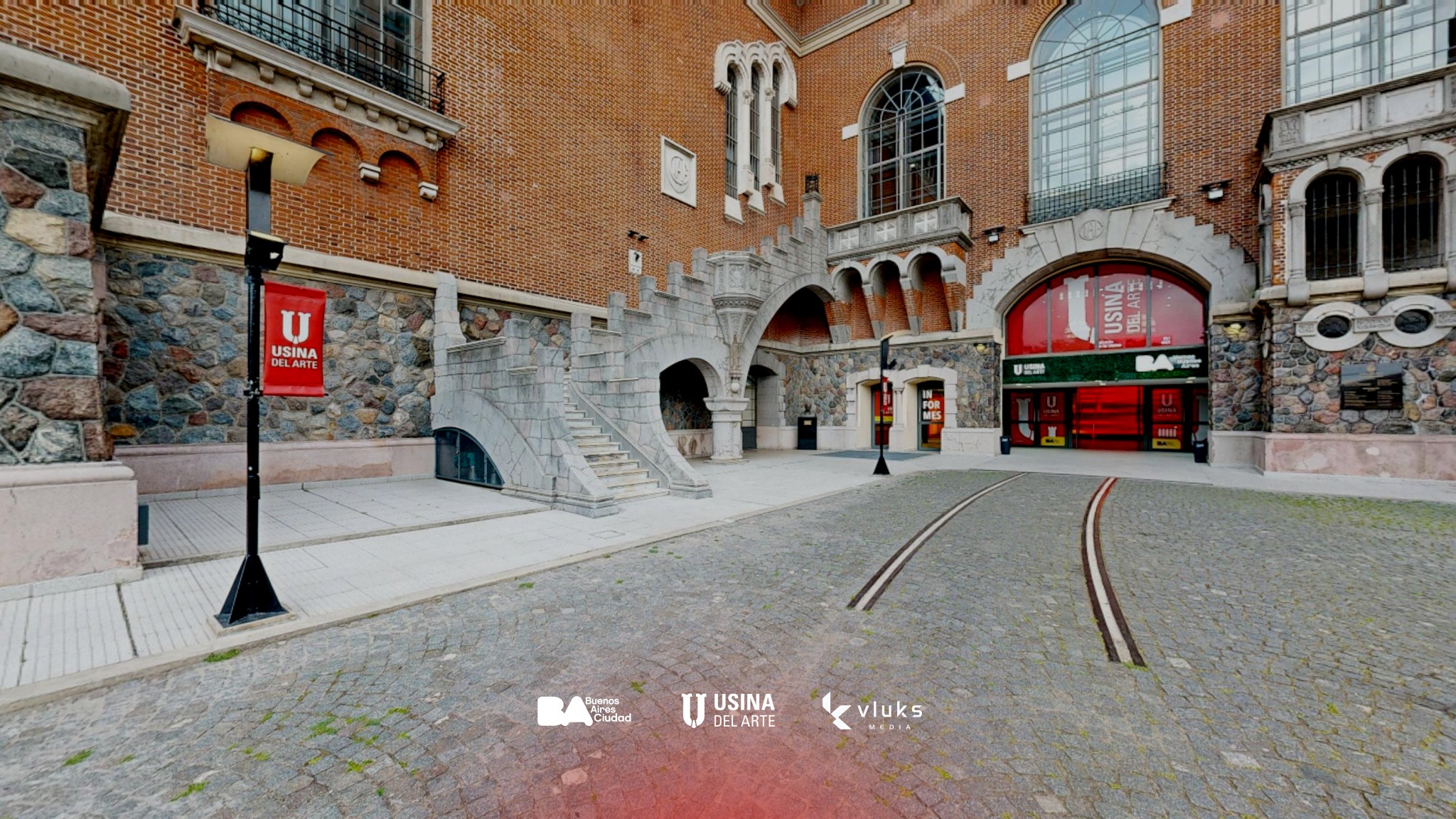
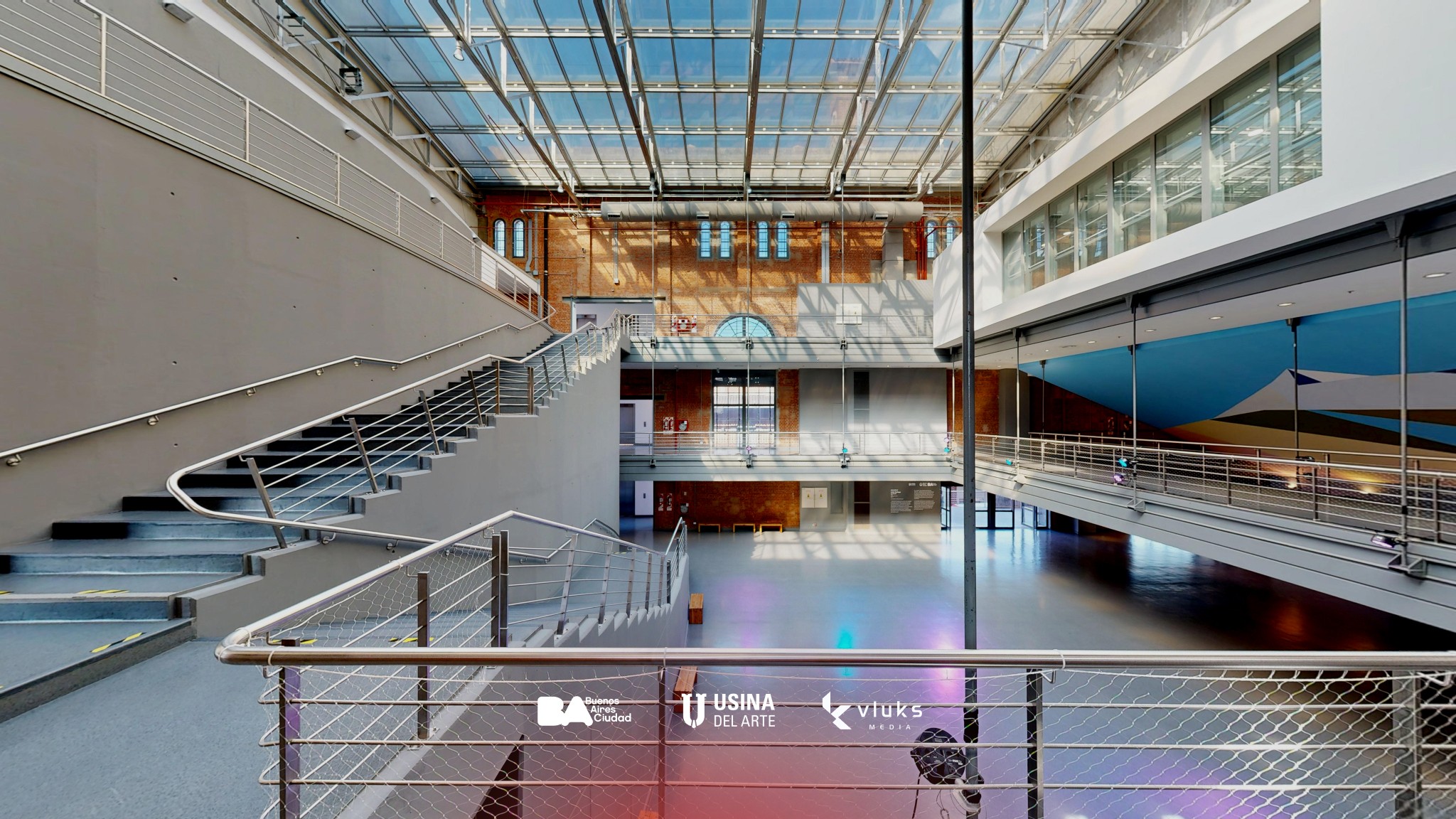
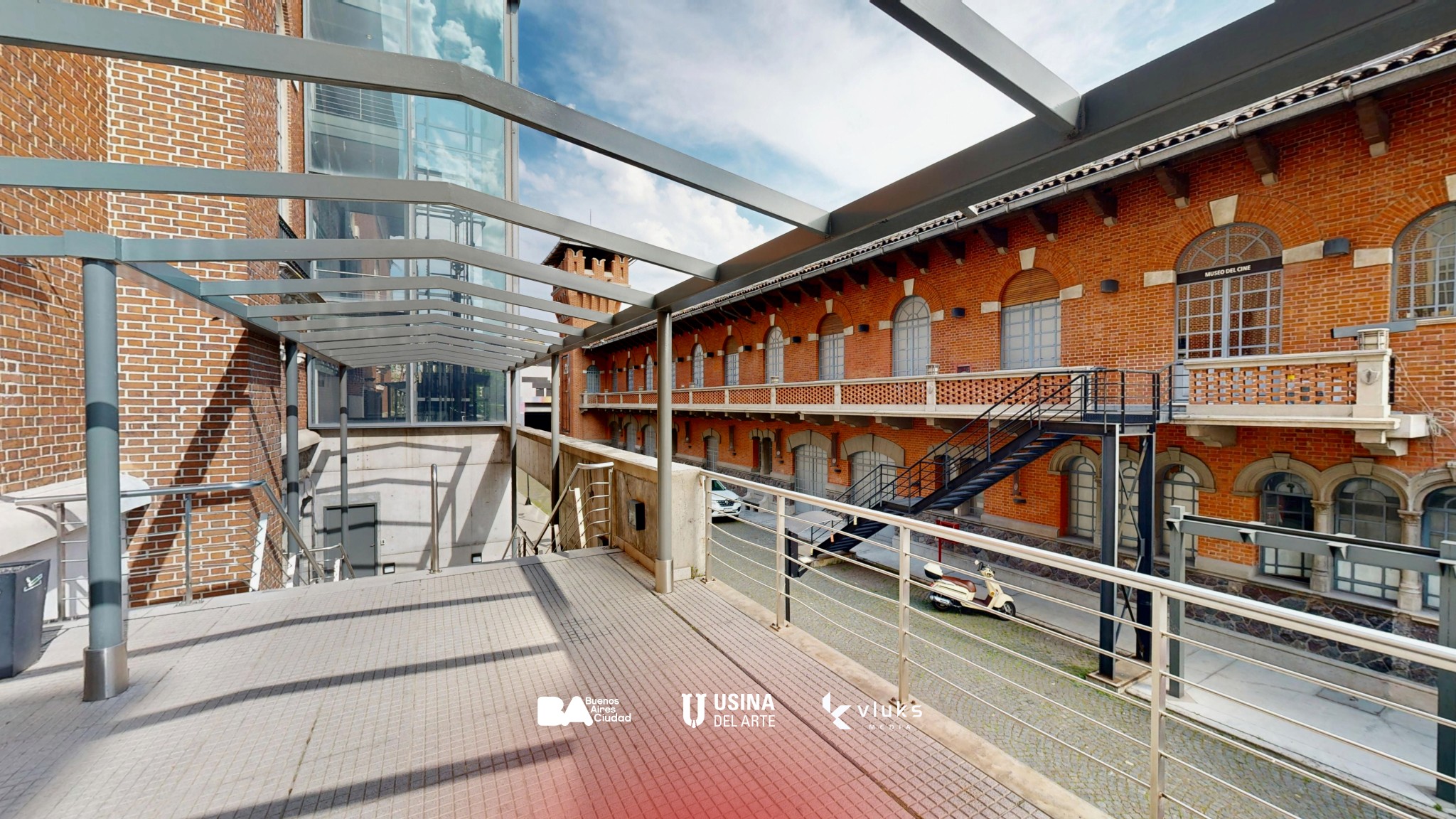
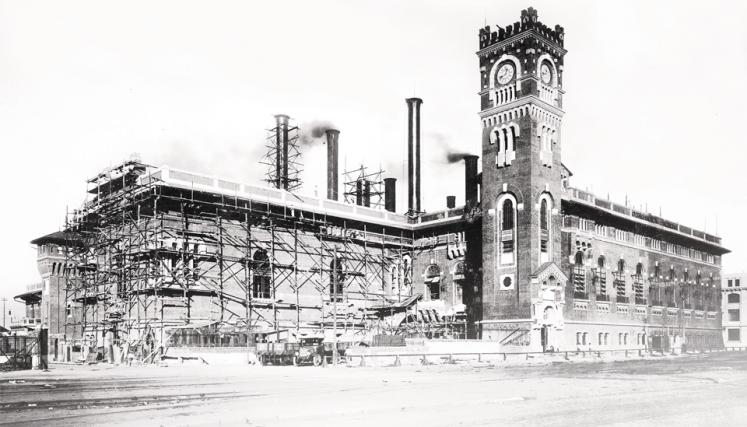
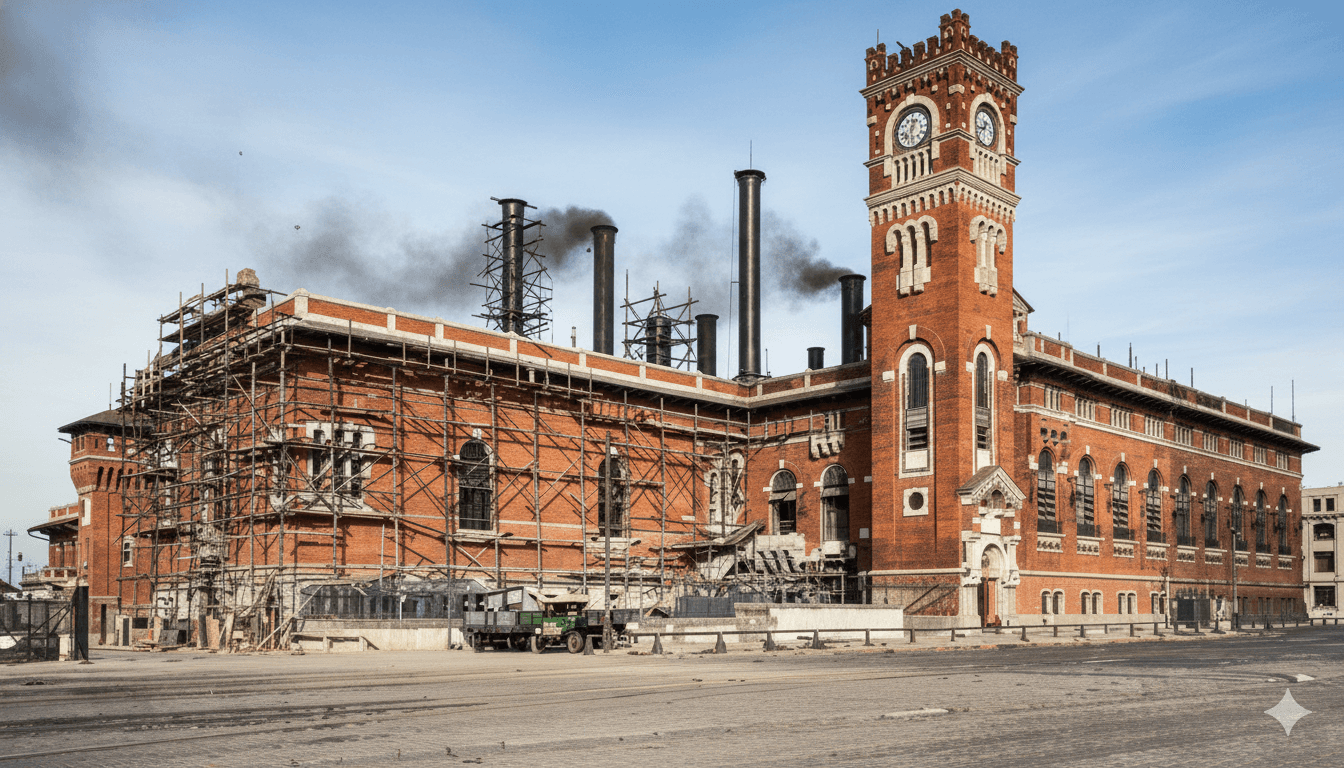
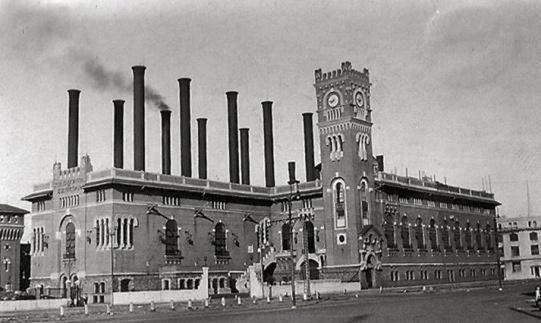
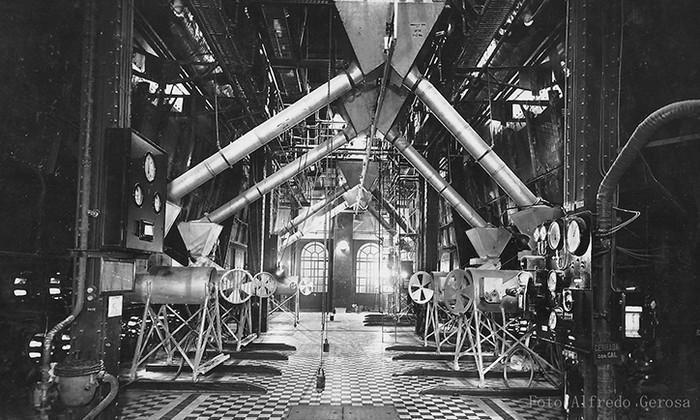
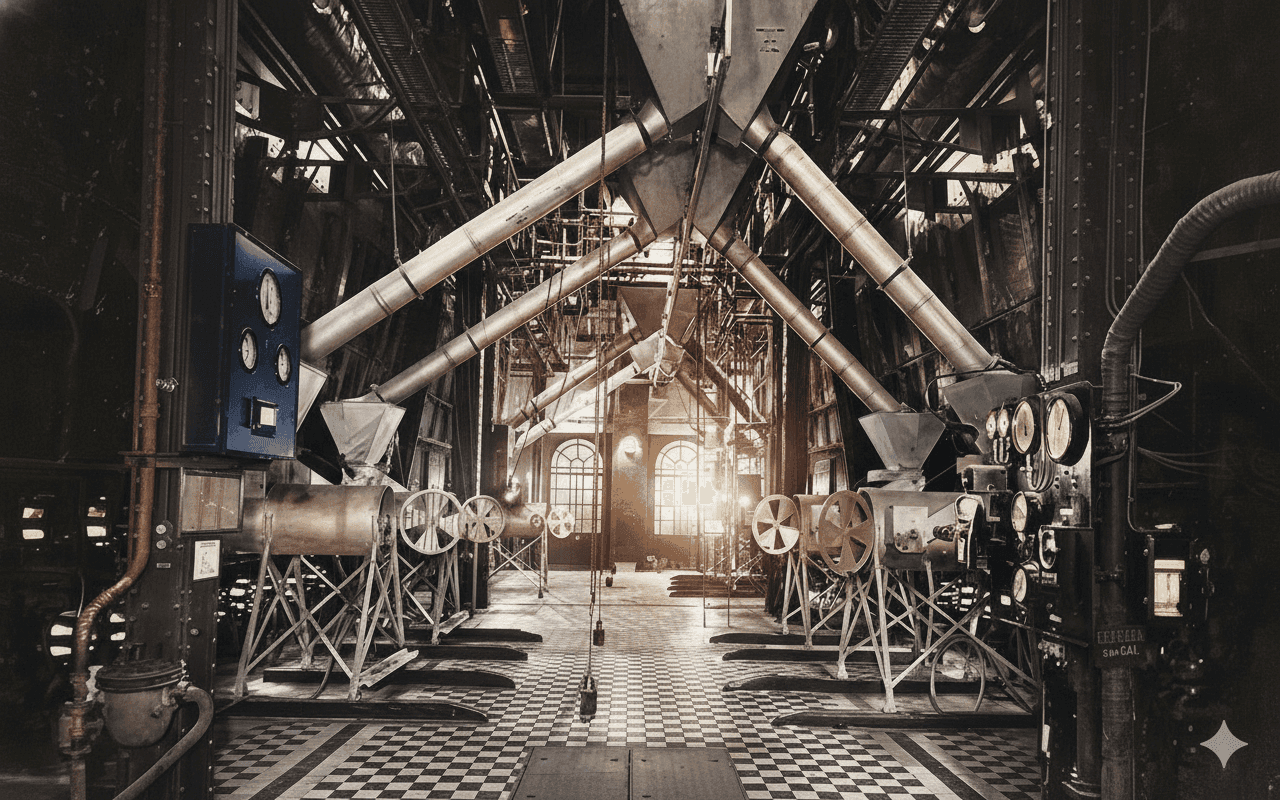
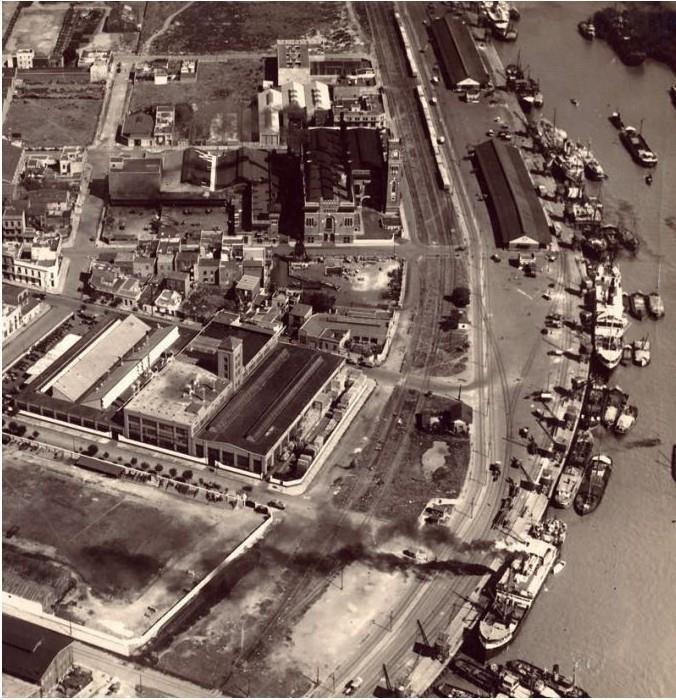
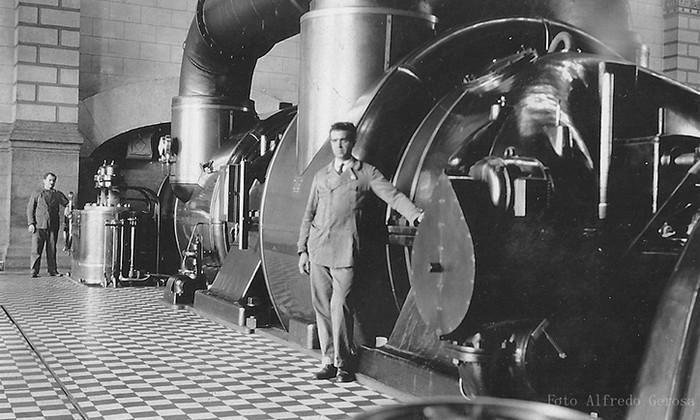
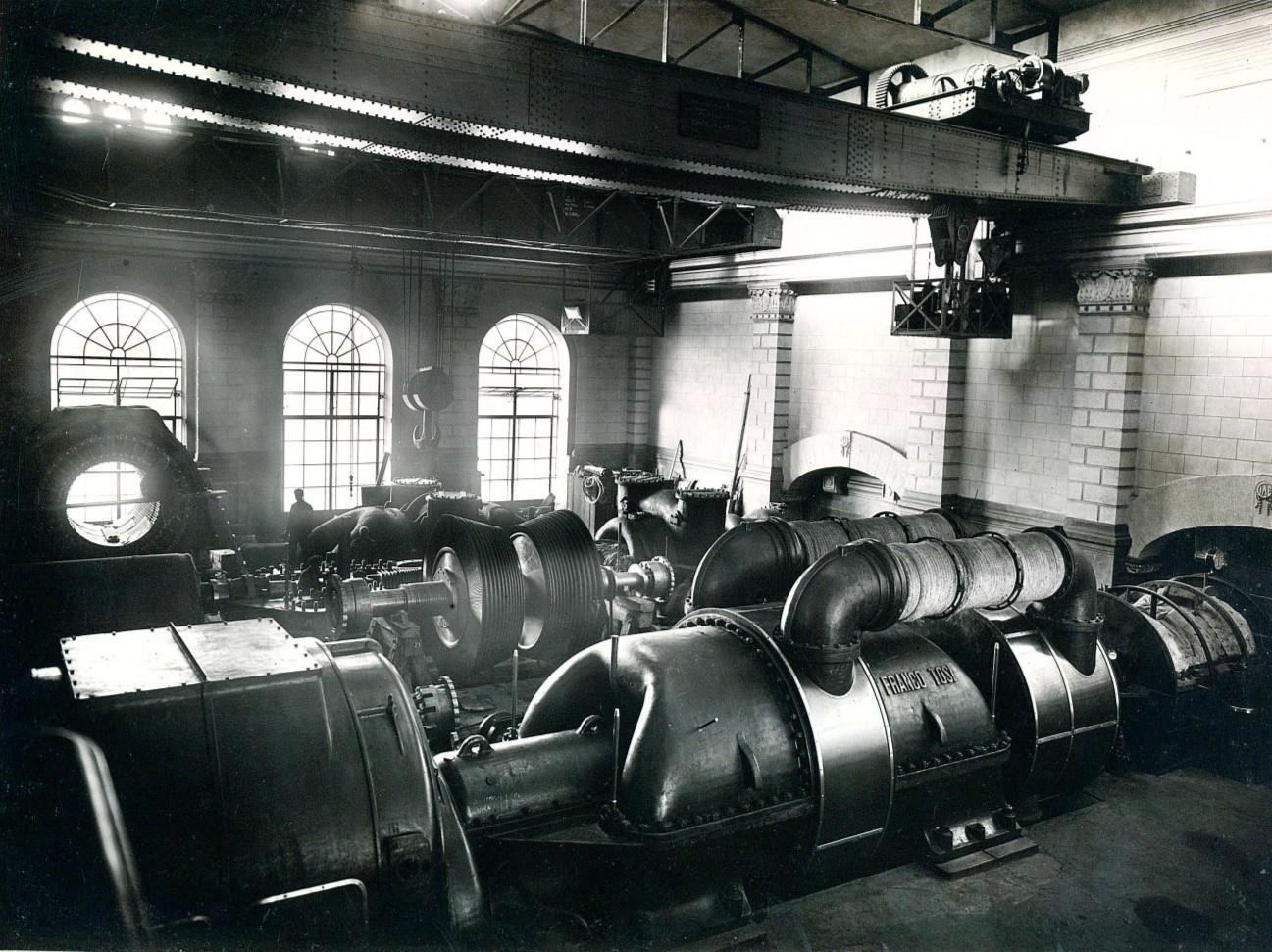
The Usina del Arte occupies the building of the old Usina Don Pedro de Mendoza, built between 1912 and 1916 for the Italo-Argentine Electricity Company. Designed by Italian architect Giovanni Chiogna, it was conceived as a power plant to meet the growing demand of the city, with large industrial turbines and a tower with a clock that became a landmark in the La Boca landscape.
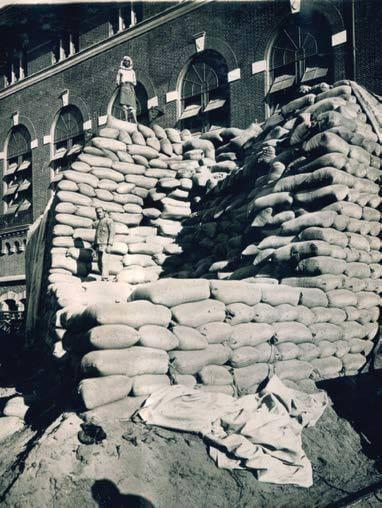
For almost eight decades, it functioned as a power generation plant until it fell into disuse in the 1990s, when the service was privatized. After years of abandonment, the building was recovered through a joint project between the national government and the City government, with the aim of turning it into a large cultural center and public auditorium.
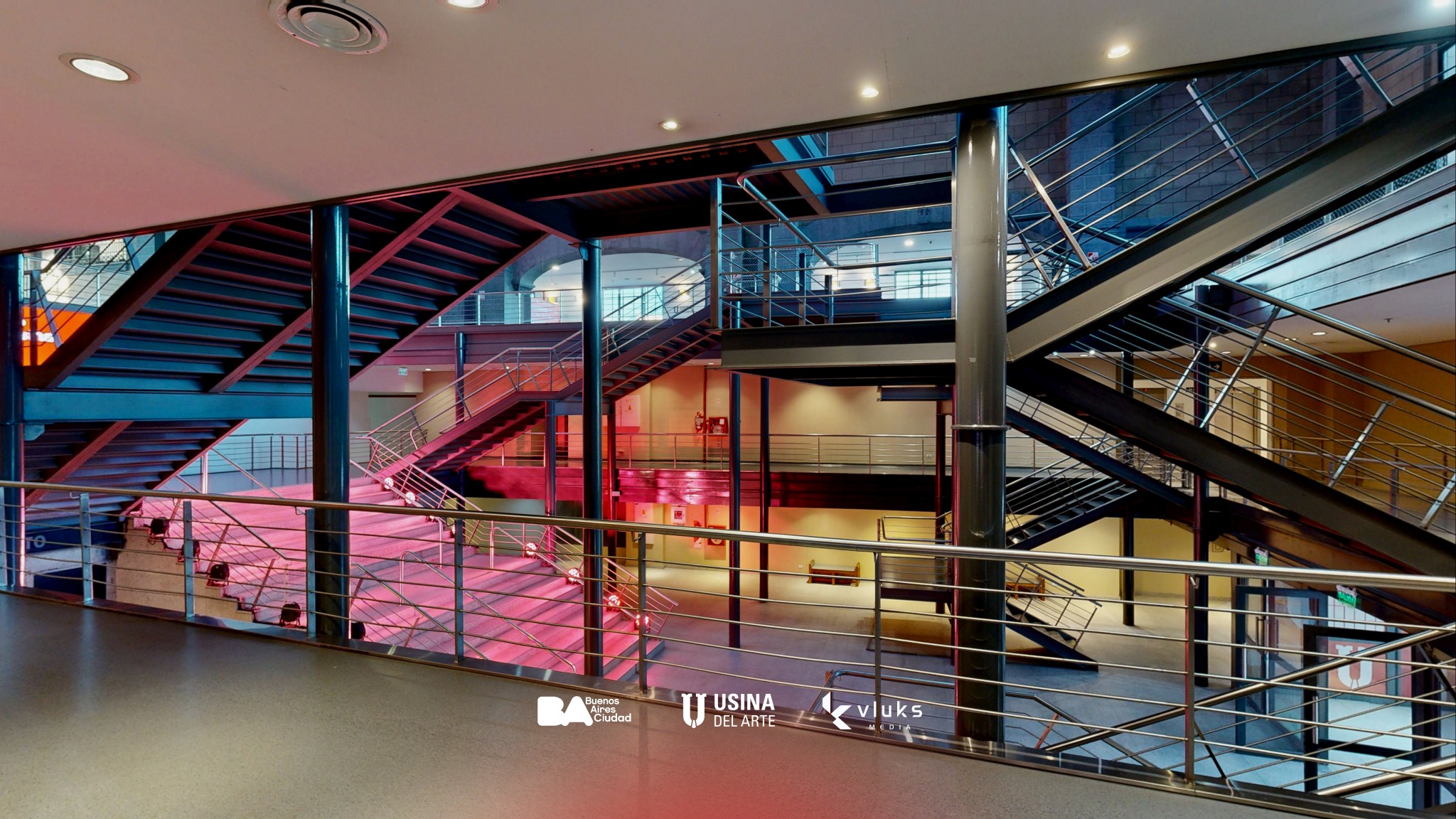
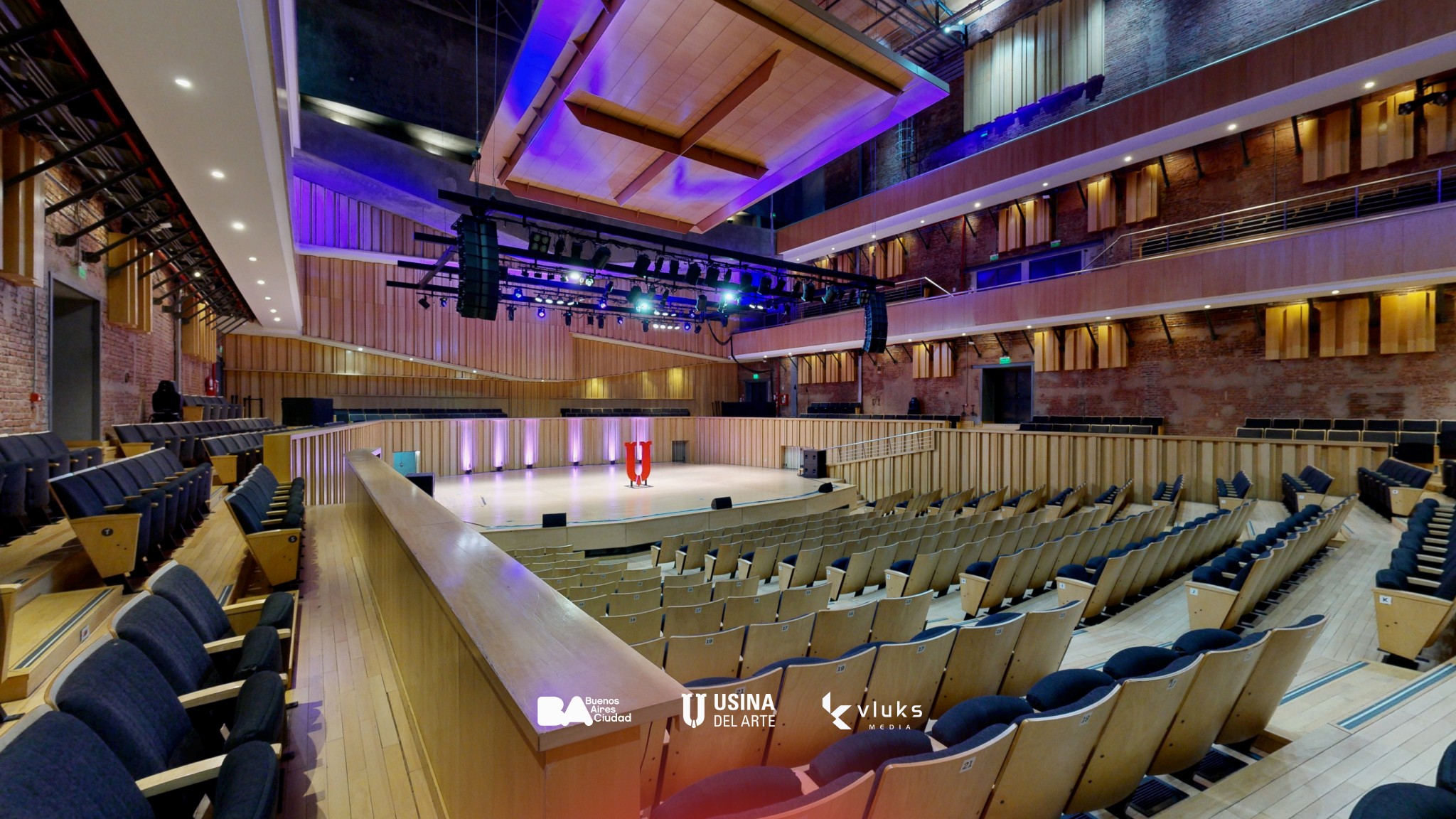
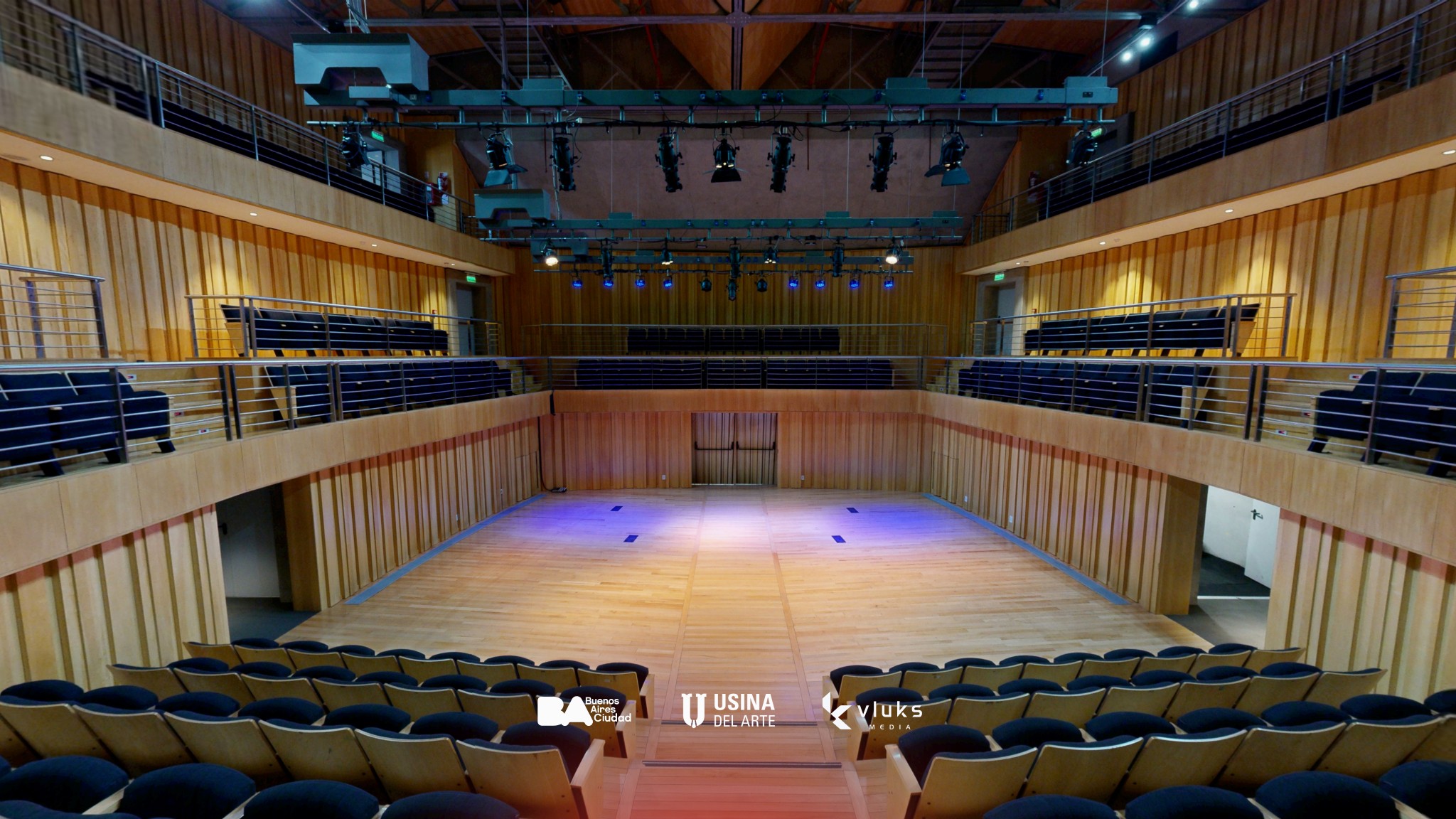
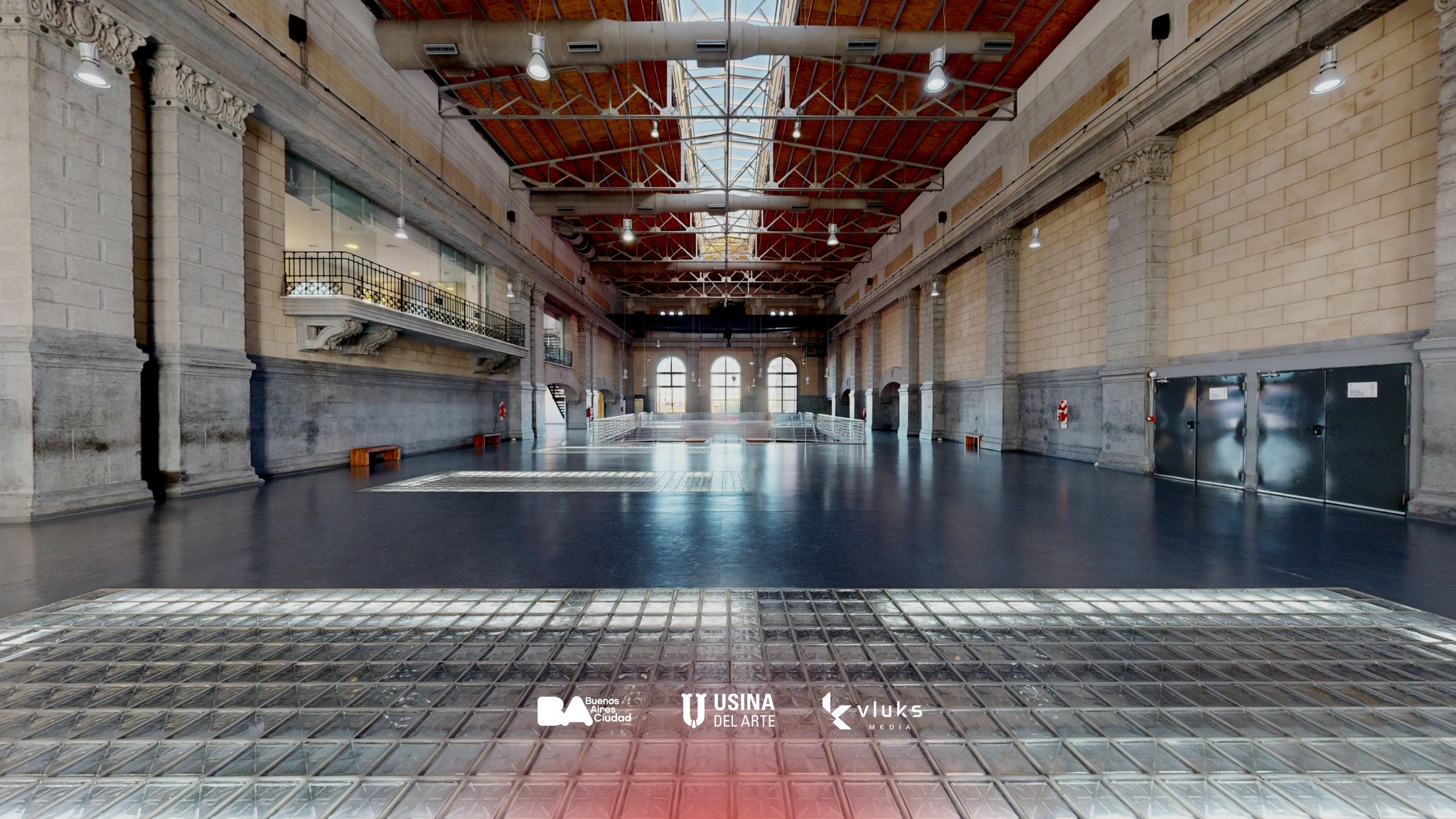
The restoration works respected the original materiality of exposed brick and reinforced its structure to house symphonic halls, chamber spaces, exhibition areas, and services. In 2011, it was officially inaugurated as Usina del Arte, consolidating as a cultural hub that combines architectural heritage, artistic programming, and open activities for neighbors and visitors.
The Usina Today
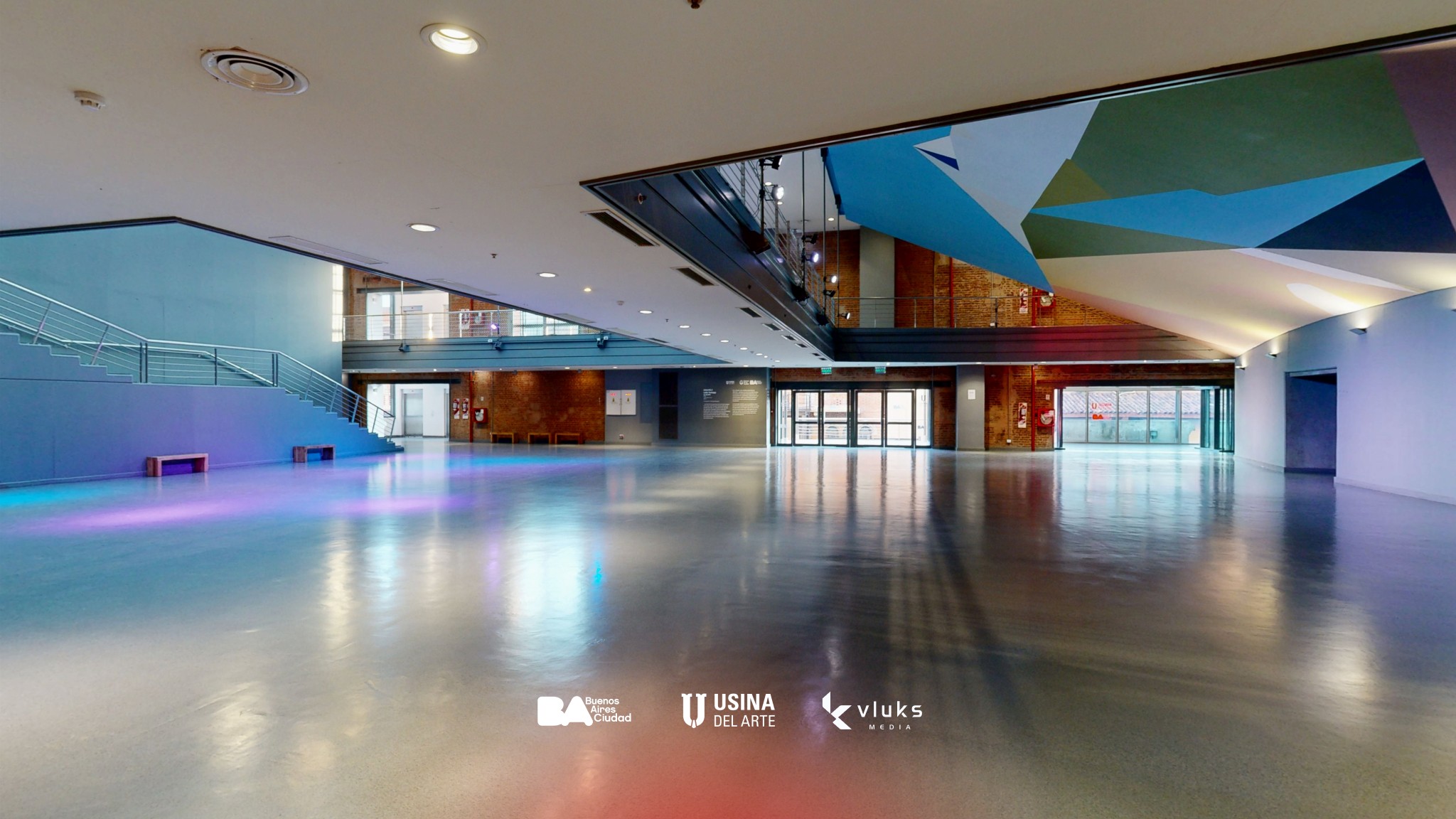
The Usina today is the venue for symphonic and popular concerts, festivals, exhibitions, fairs, classes, programs for children, and free activities for diverse audiences, which fill the old industrial spaces with life.
Its Heritage Importance
The Usina del Arte is a key piece of the city’s industrial heritage and a milestone in the history of electrification in Buenos Aires. The building recalls the era when large architectures transformed urban life, and its transformation into cultural halls shows that these infrastructures can remain active in another way.
Today, it is a reference point for La Boca and a gateway to music and the arts for very diverse audiences, and its architecture recalls Italian culture in the southern part of Buenos Aires, expanding the cultural map by bringing quality programming to the southern part of the city.
History
The Usina del Arte occupies the building of the old Usina Don Pedro de Mendoza, built between 1912 and 1916 for the Italo-Argentine Electricity Company. Designed by Italian architect Giovanni Chiogna, it was conceived as a power plant to meet the growing demand of the city, with large industrial turbines and a tower with a clock that became a landmark in the La Boca landscape.
For almost eight decades, it functioned as a power generation plant until it fell into disuse in the 1990s, when the service was privatized. After years of abandonment, the building was recovered through a joint project between the national government and the City government, with the aim of turning it into a large cultural center and public auditorium.
The restoration works respected the original materiality of exposed brick and reinforced its structure to house symphonic halls, chamber spaces, exhibition areas, and services. In 2011, it was officially inaugurated as Usina del Arte, consolidating as a cultural hub that combines architectural heritage, artistic programming, and open activities for neighbors and visitors.
The Usina Today
The Usina today is the venue for symphonic and popular concerts, festivals, exhibitions, fairs, classes, programs for children, and free activities for diverse audiences, which fill the old industrial spaces with life.
Its Heritage Importance
The Usina del Arte is a key piece of the city’s industrial heritage and a milestone in the history of electrification in Buenos Aires. The building recalls the era when large architectures transformed urban life, and its transformation into cultural halls shows that these infrastructures can remain active in another way.
Today, it is a reference point for La Boca and a gateway to music and the arts for very diverse audiences, and its architecture recalls Italian culture in the southern part of Buenos Aires, expanding the cultural map by bringing quality programming to the southern part of the city.
Featured spaces
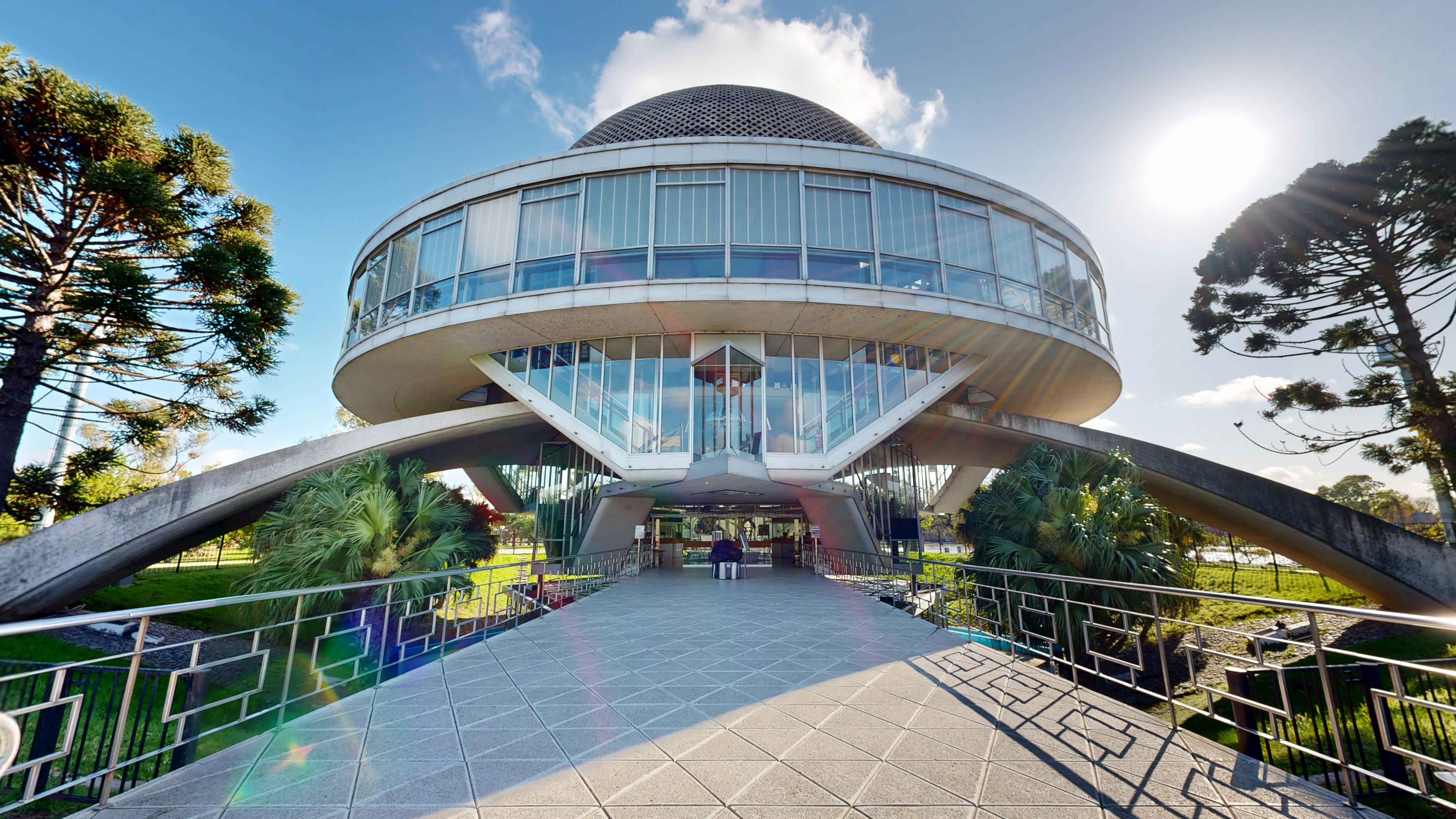

Galileo Galilei Planetarium
Galileo Galilei Planetarium
Galileo Galilei Planetarium
Museum
Museum
Infantil
Infantil
Ciencia
Ciencia
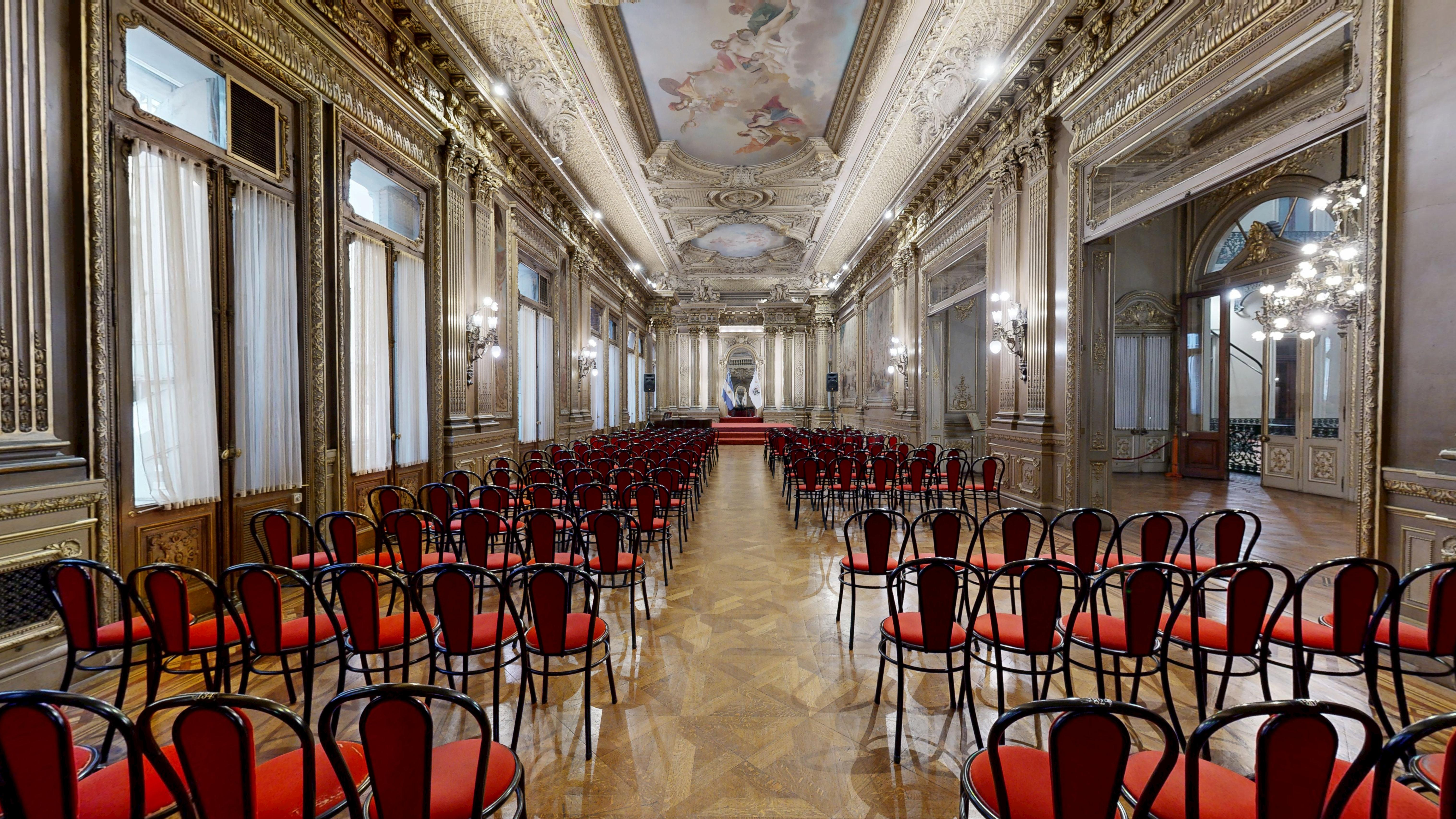

House of Culture
House of Culture
House of Culture
Cultural Center
Cultural Center
Concert hall
Concert hall
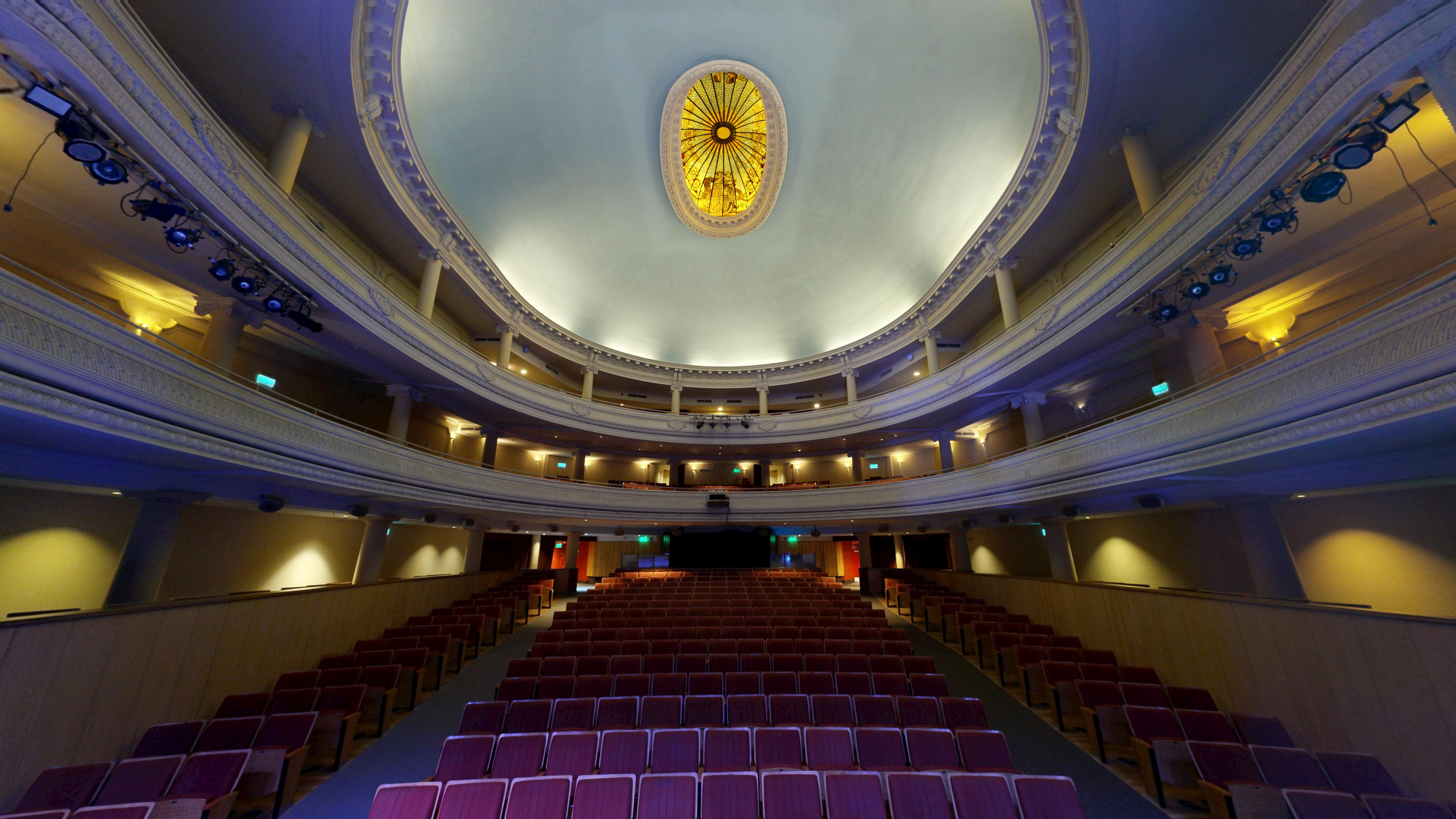

25 de Mayo Cultural Center
25 de Mayo Cultural Center
25 de Mayo Cultural Center
Cultural Center
Cultural Center
Concert hall
Concert hall
Theater
Theater
Created by

Vluks Media
Created by
Vluks Media
Created by
Vluks Media
Created by
Vluks Media