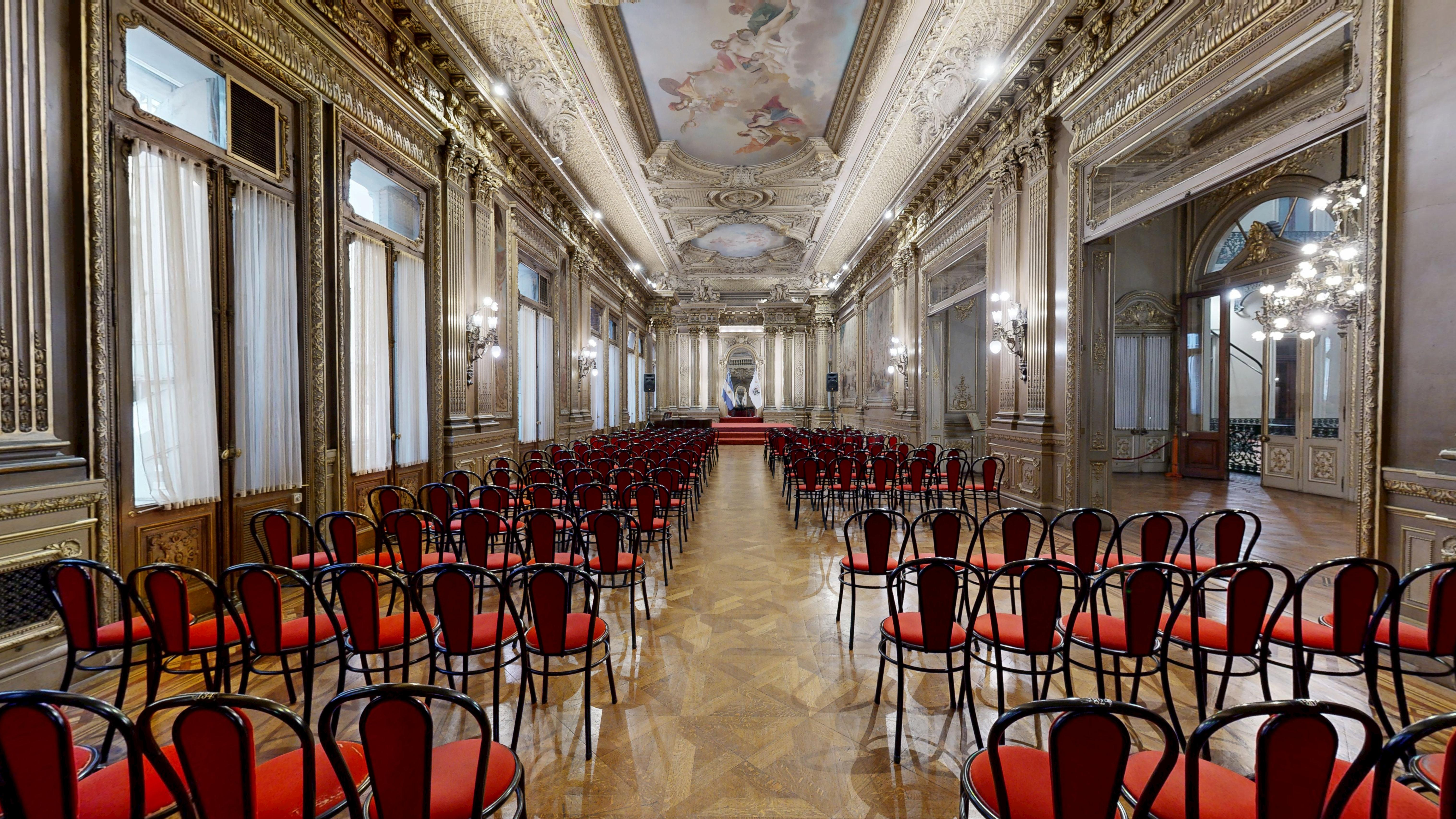

House of Culture
Cultural Center
Concert hall
Neighborhood
Monserrat
Monserrat
Founded in
1898
1898
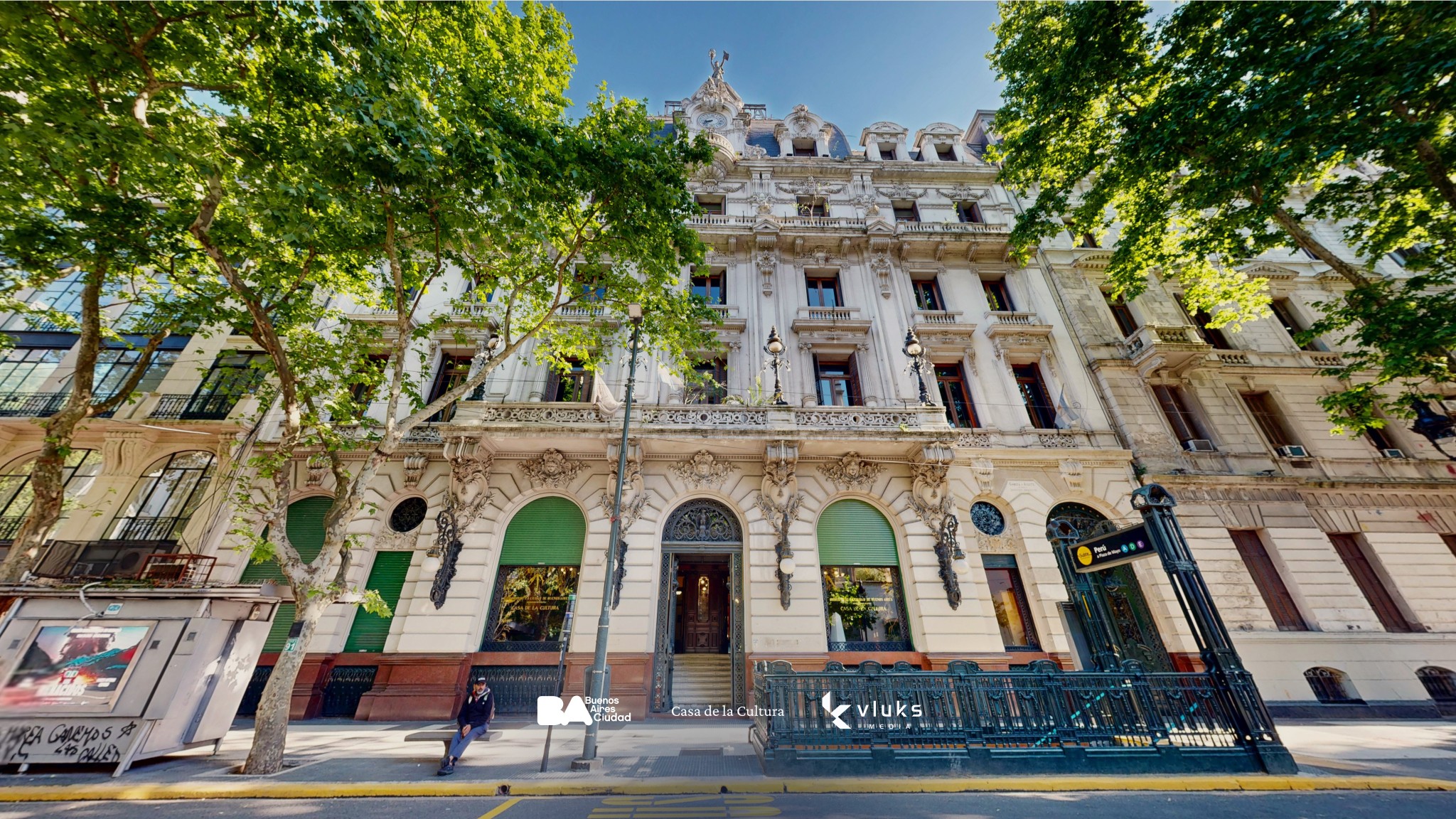
An icon of Avenida de Mayo and the history of Argentine journalism, now reimagined as a cultural center of the City. It combines architectural heritage, archives, and cultural programming open to the public.
An icon of Avenida de Mayo and the history of Argentine journalism, now reimagined as a cultural center of the City. It combines architectural heritage, archives, and cultural programming open to the public.
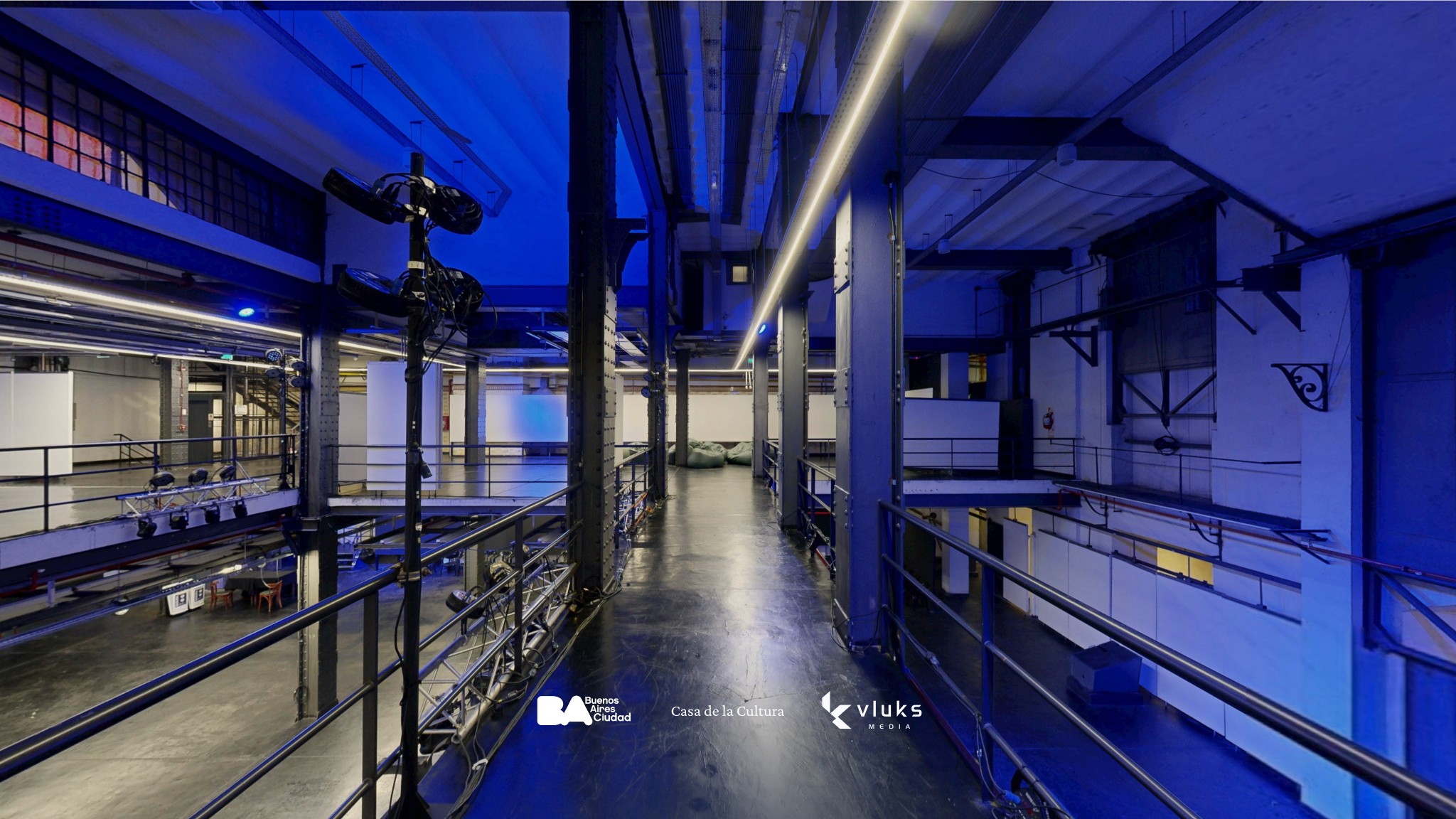
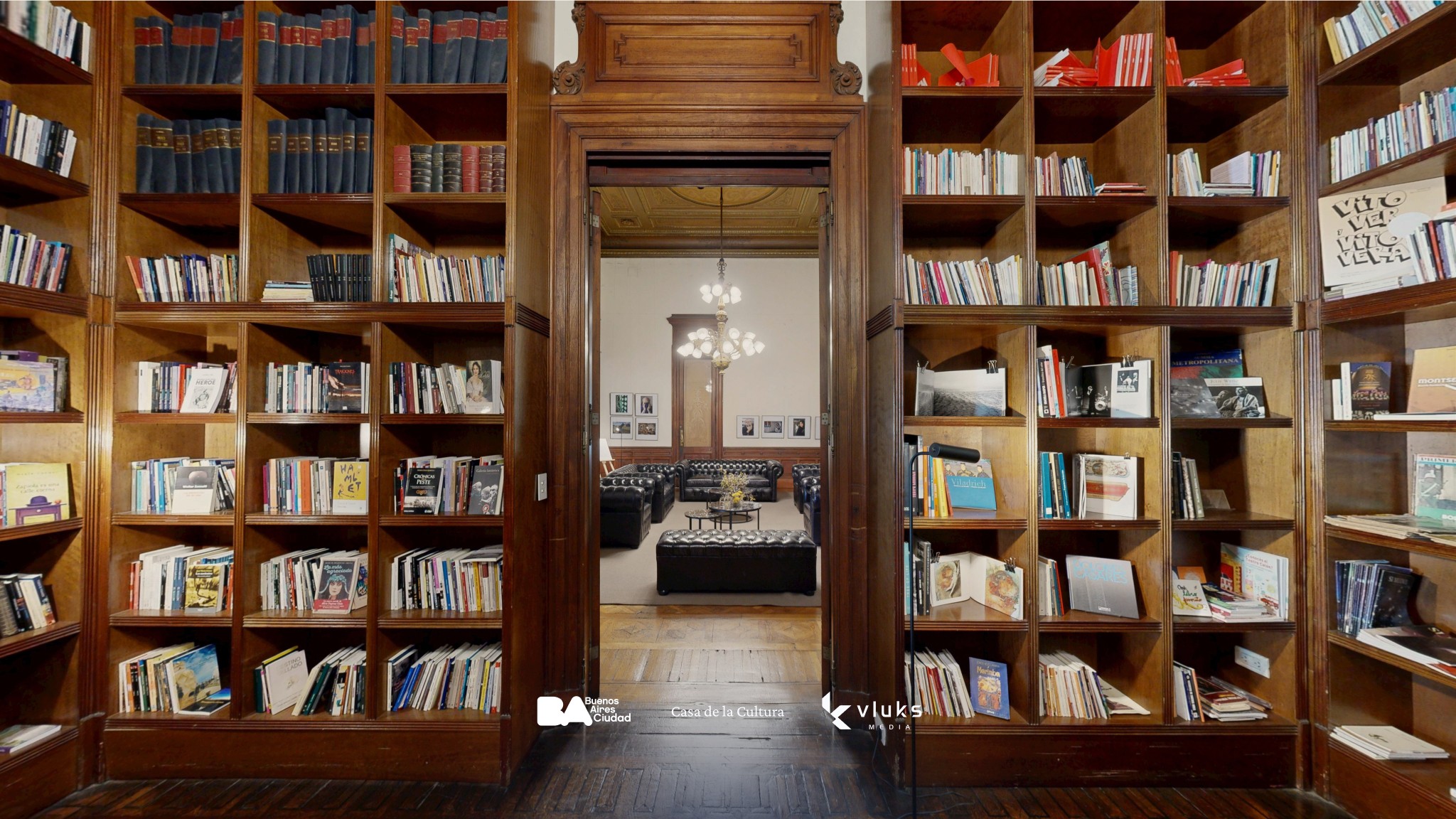
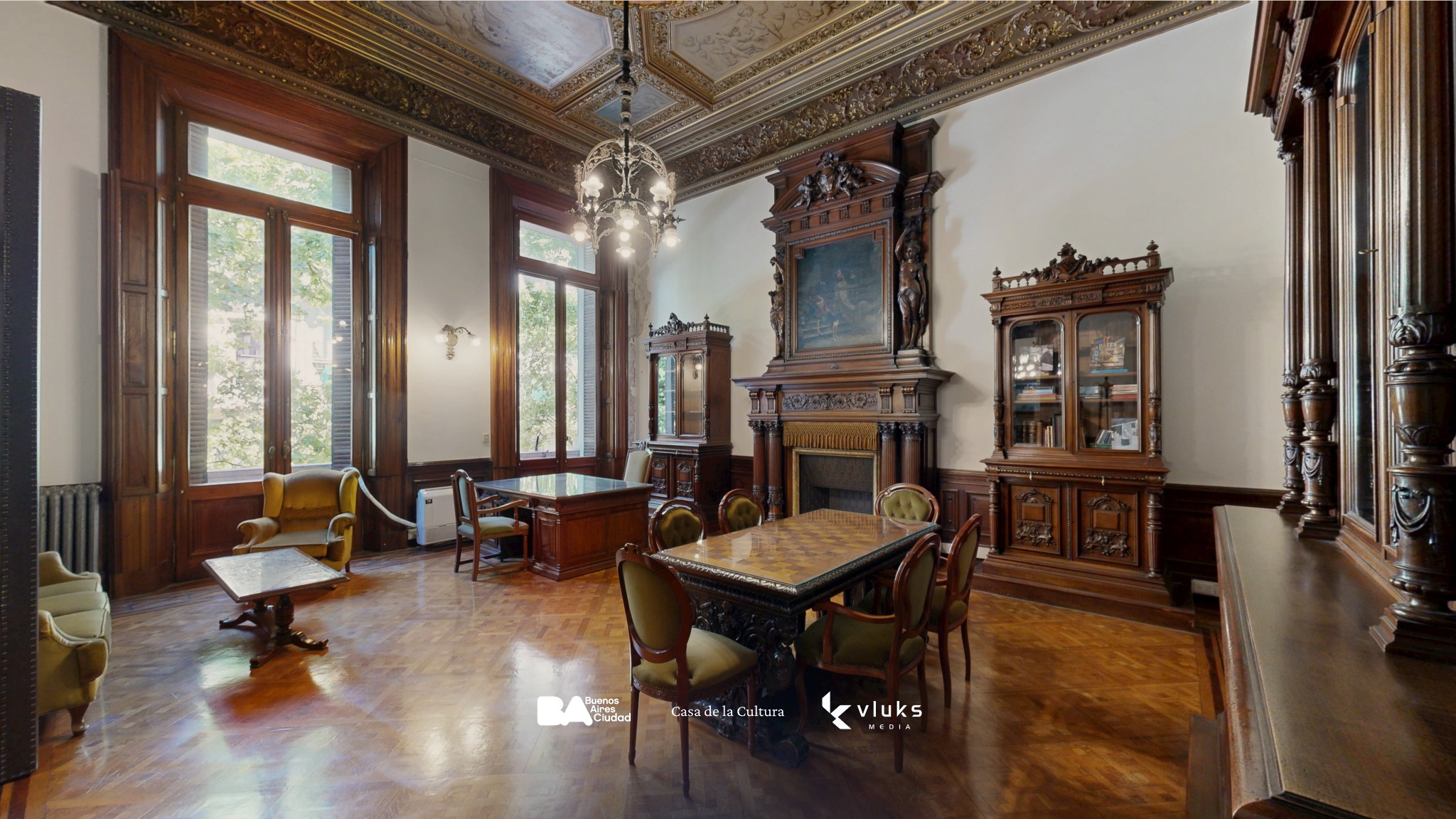
History
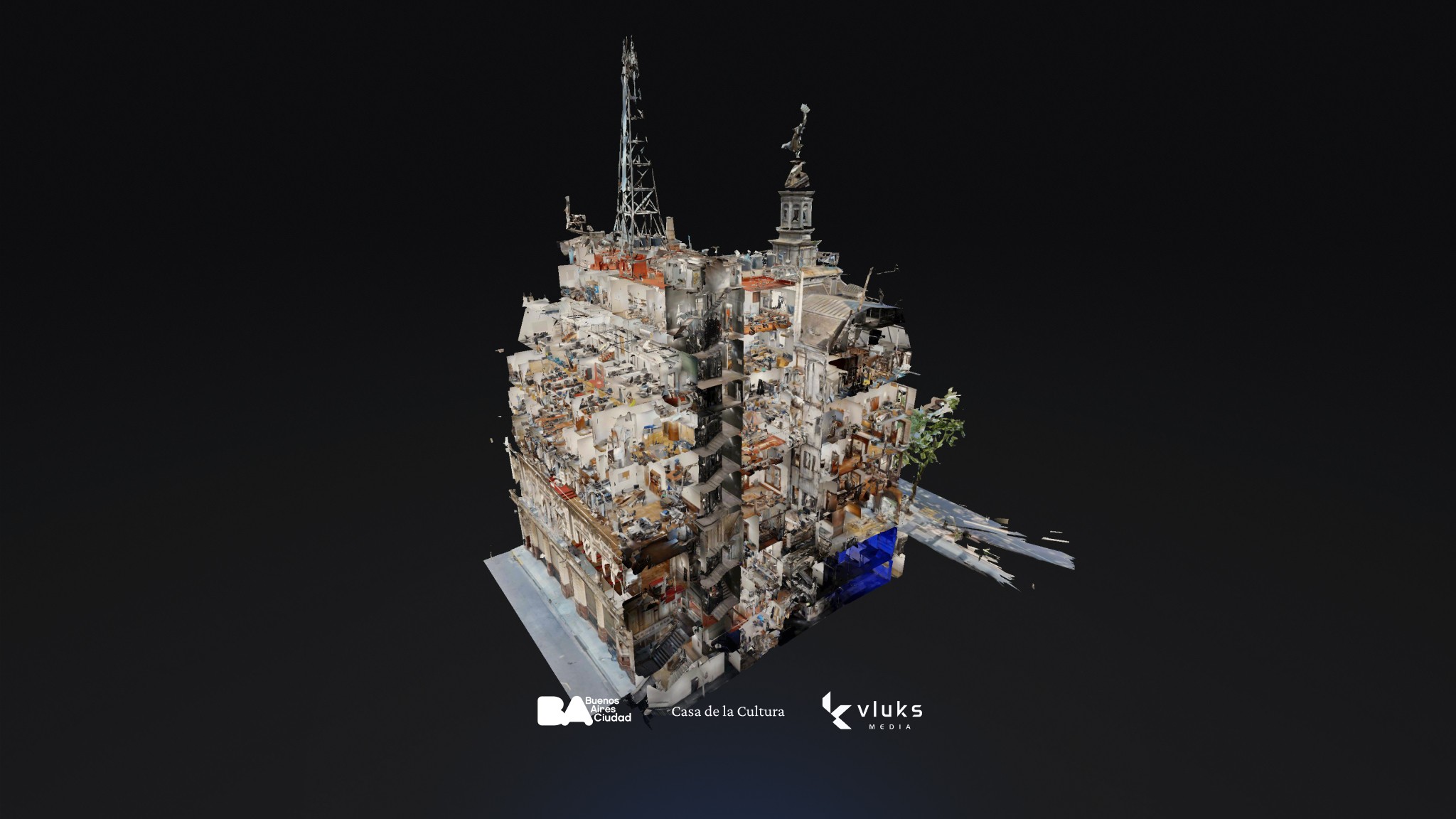
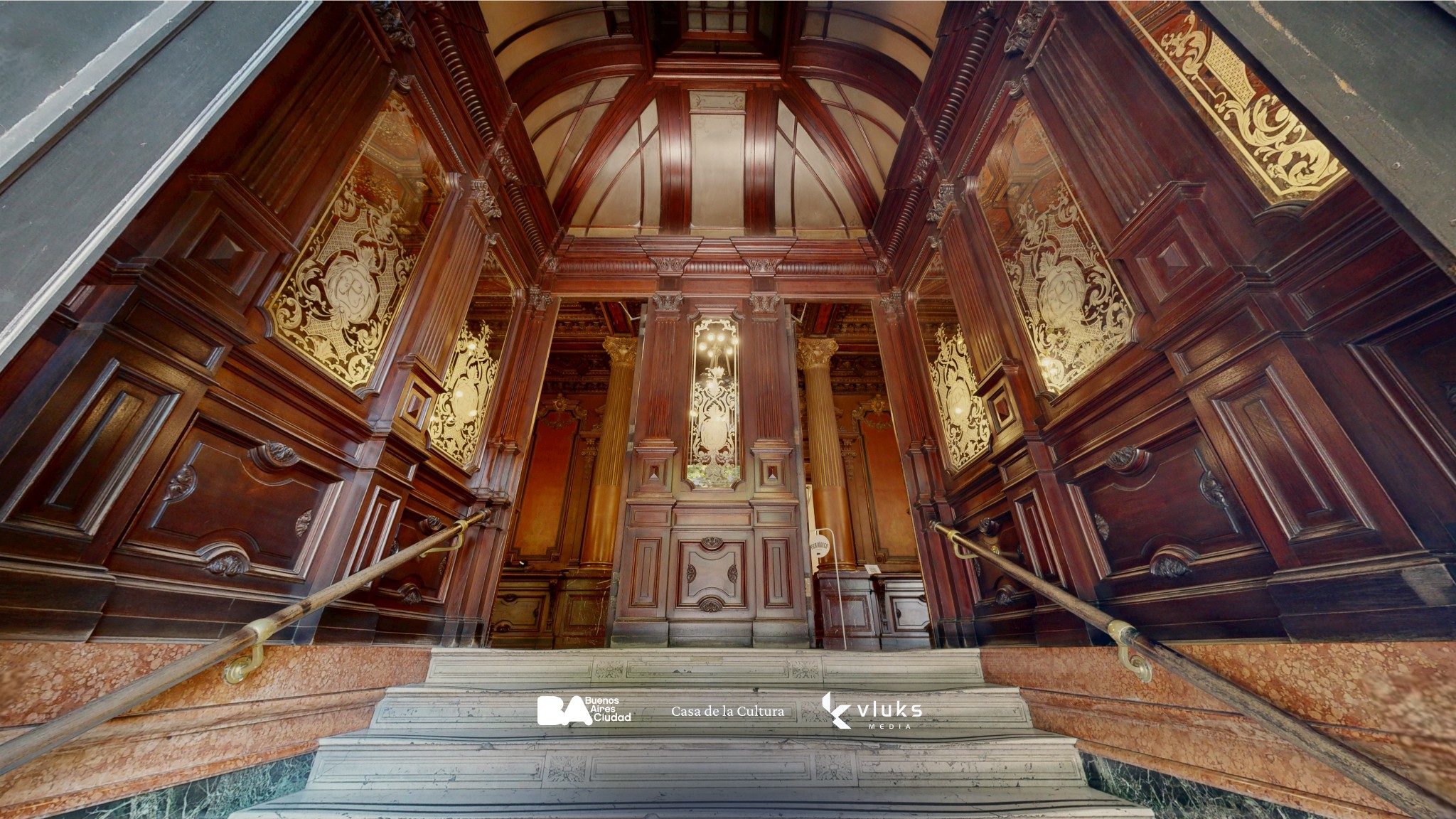
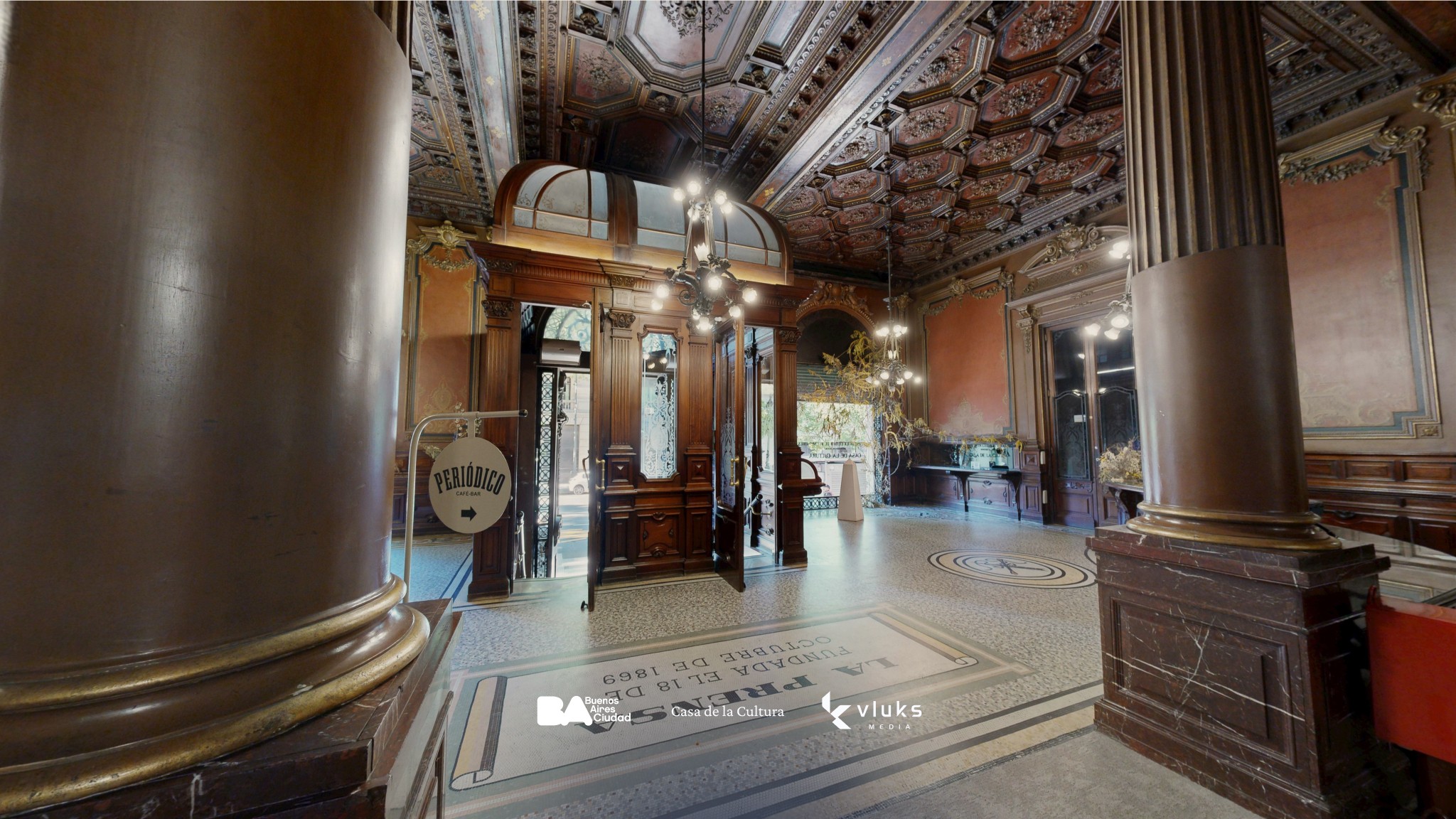
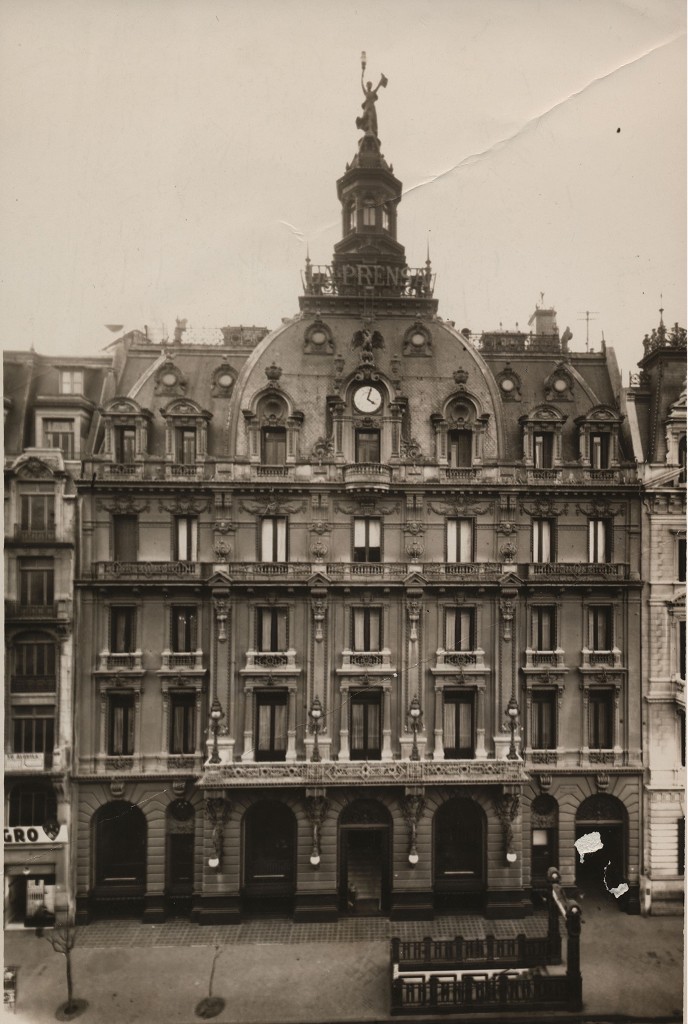
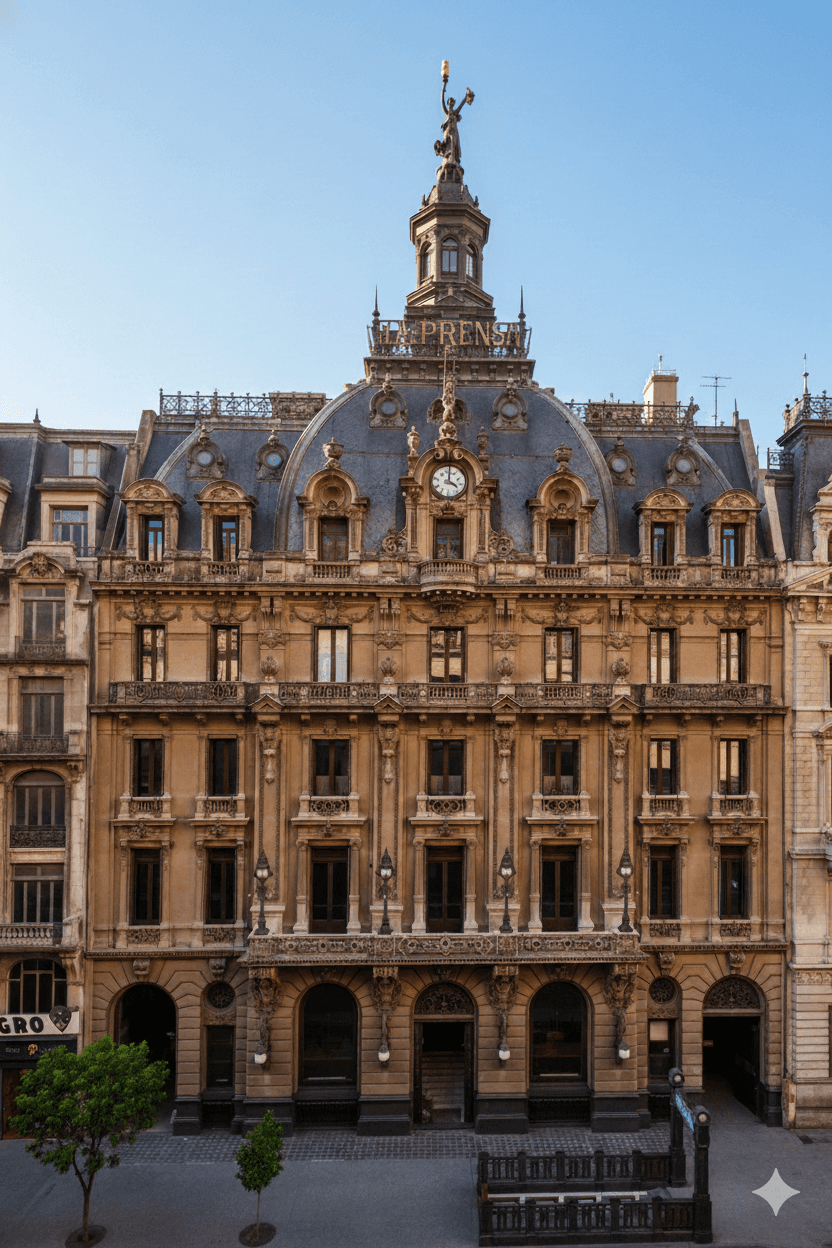
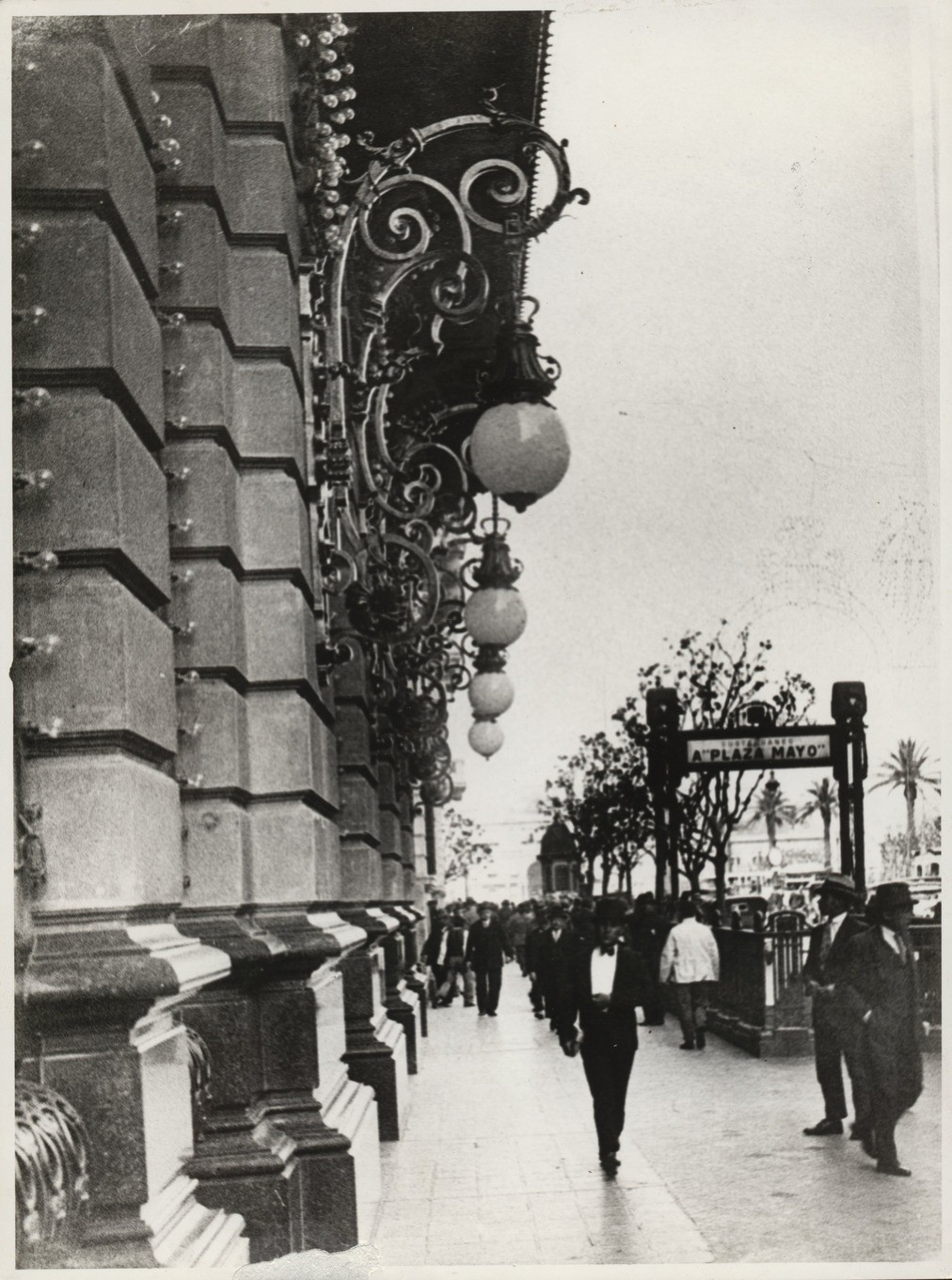
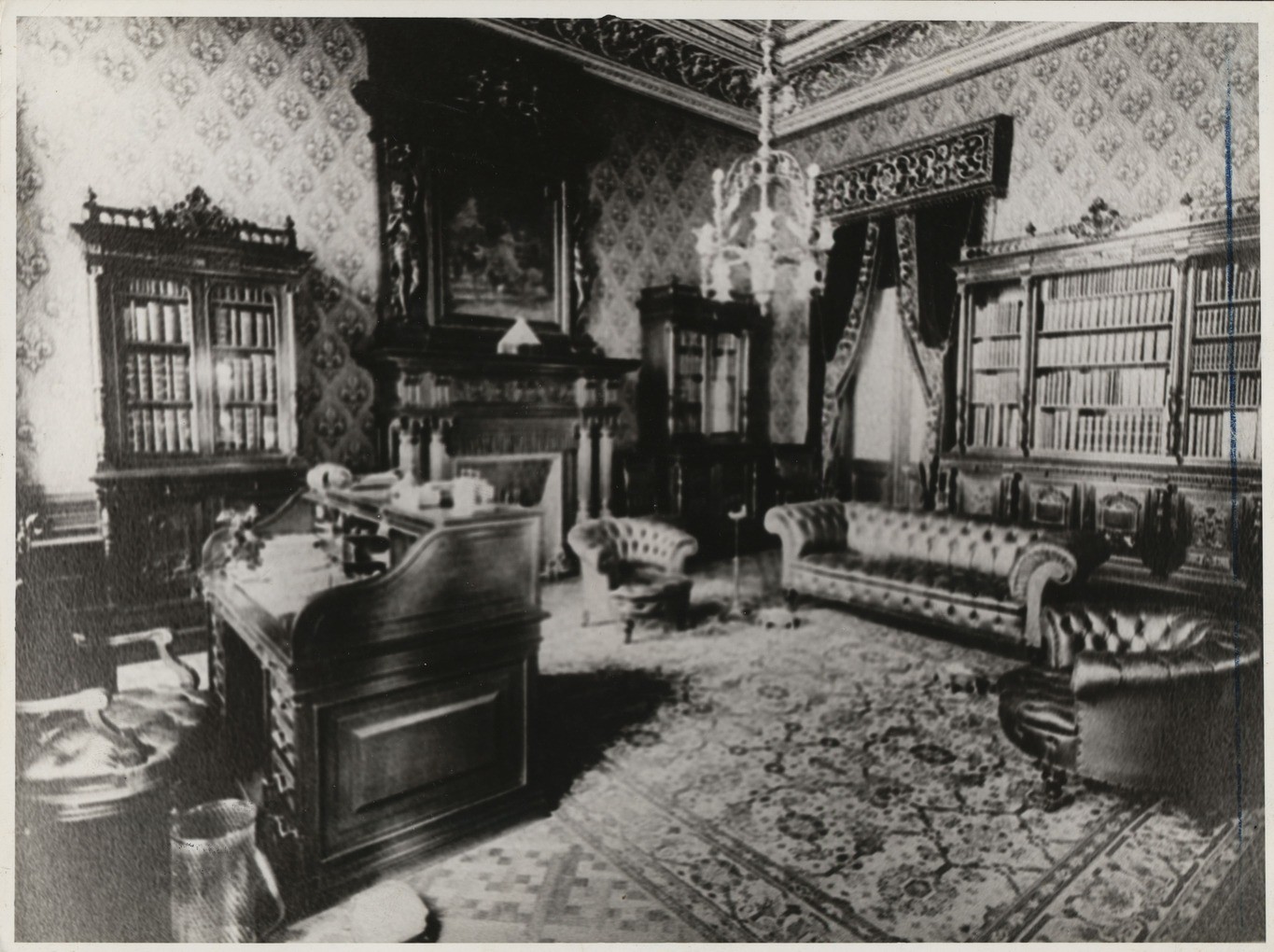
The building of the current Casa de la Cultura was inaugurated in 1898 as the headquarters of the newspaper La Prensa, designed in the Beaux Arts style and equipped with state-of-the-art technology for its time. For decades, it was one of the most important newspapers in the world, on par with major publications like The Times or The New York Times.
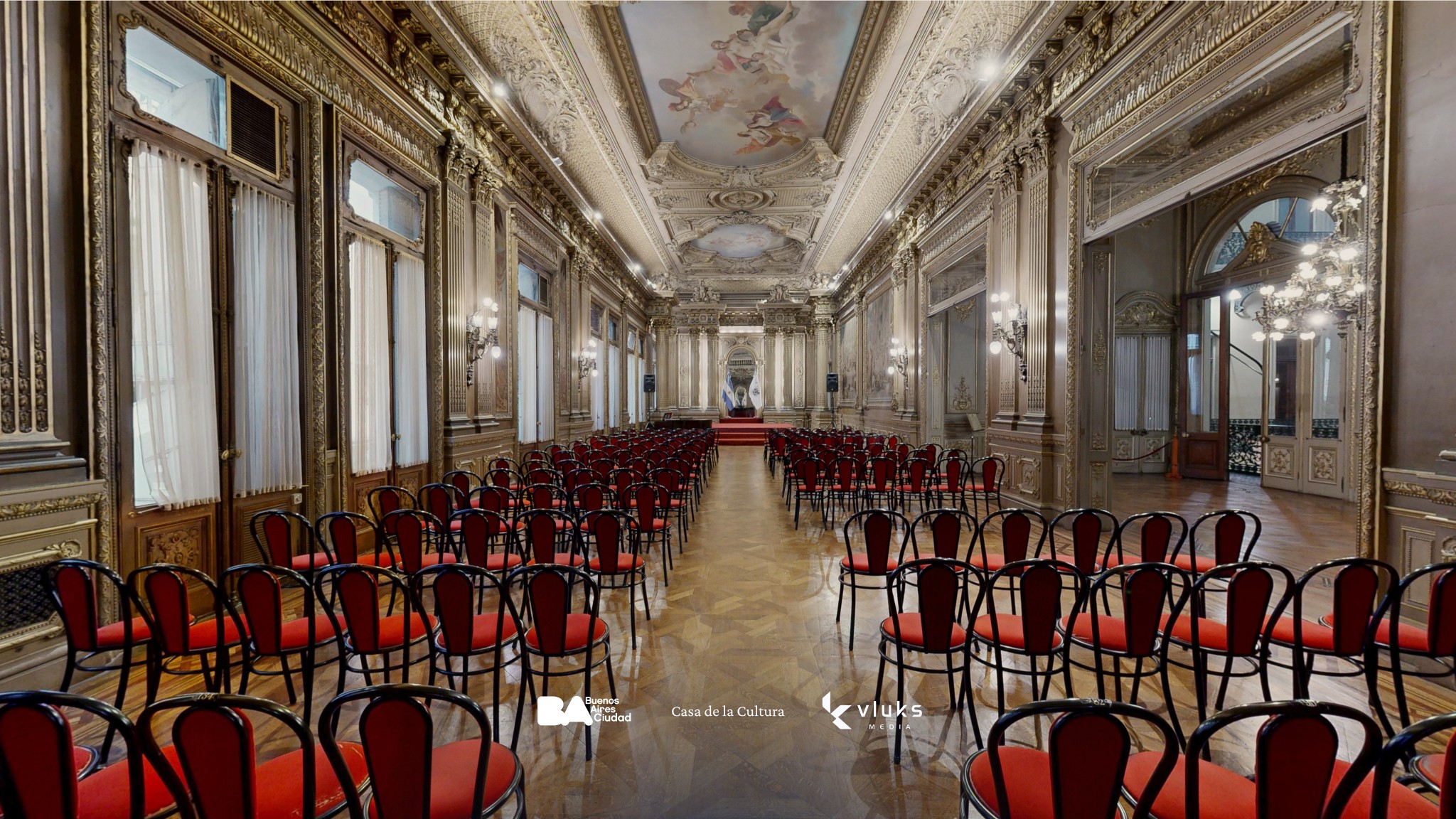
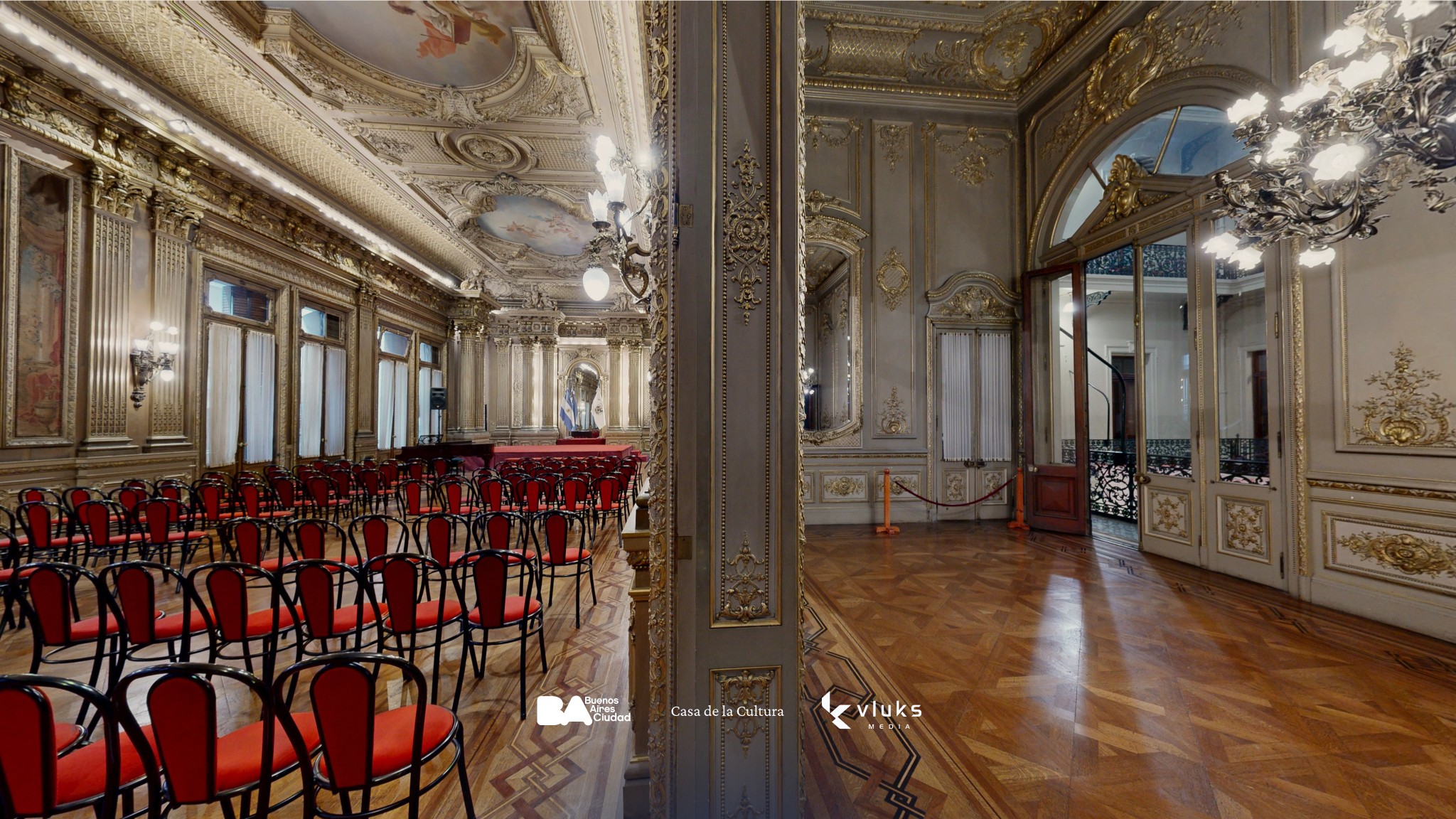
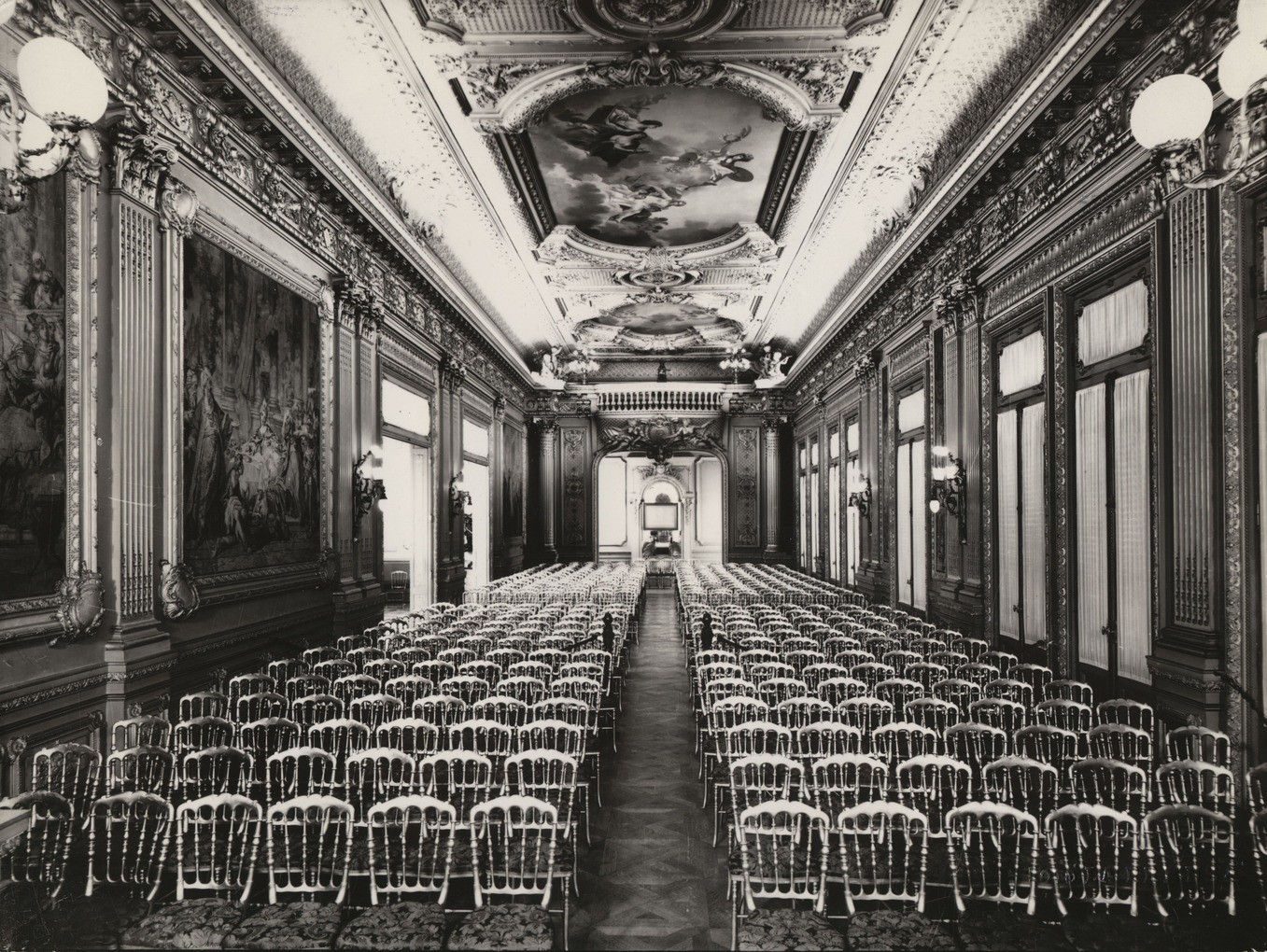
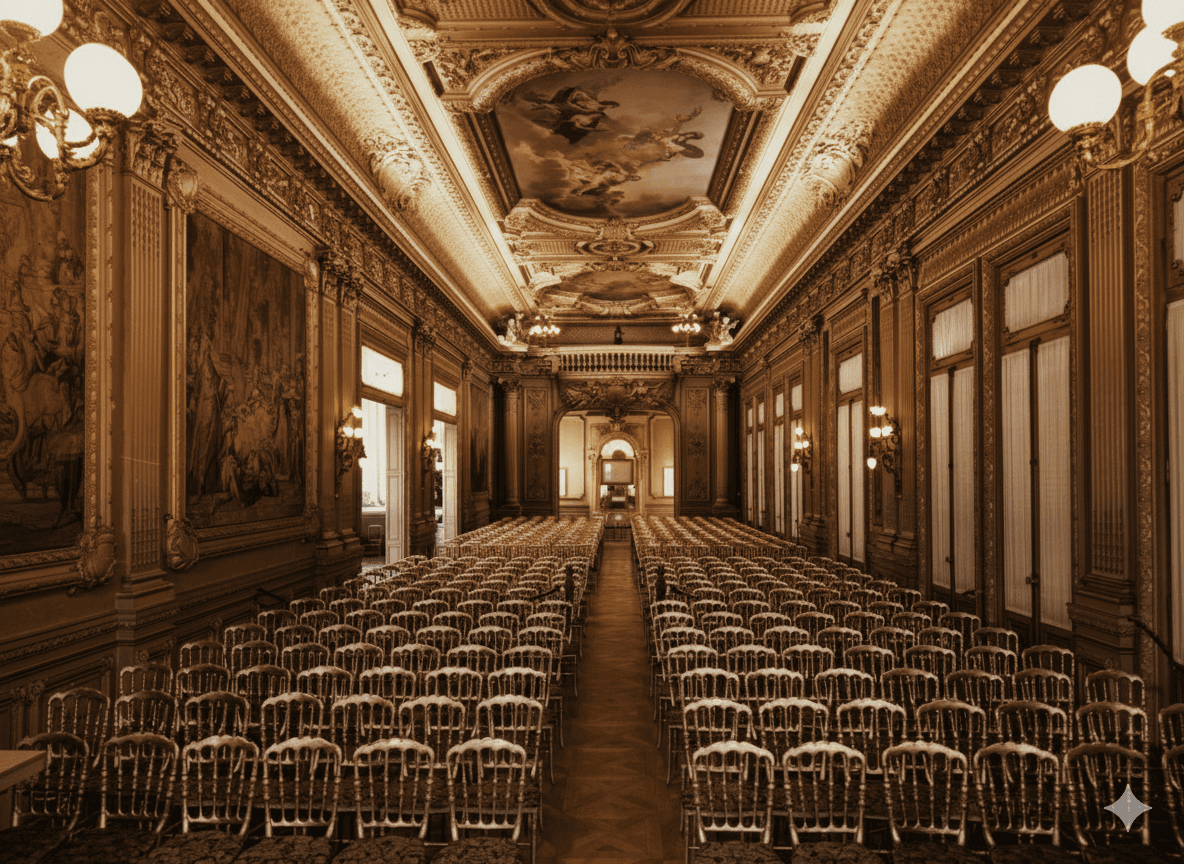
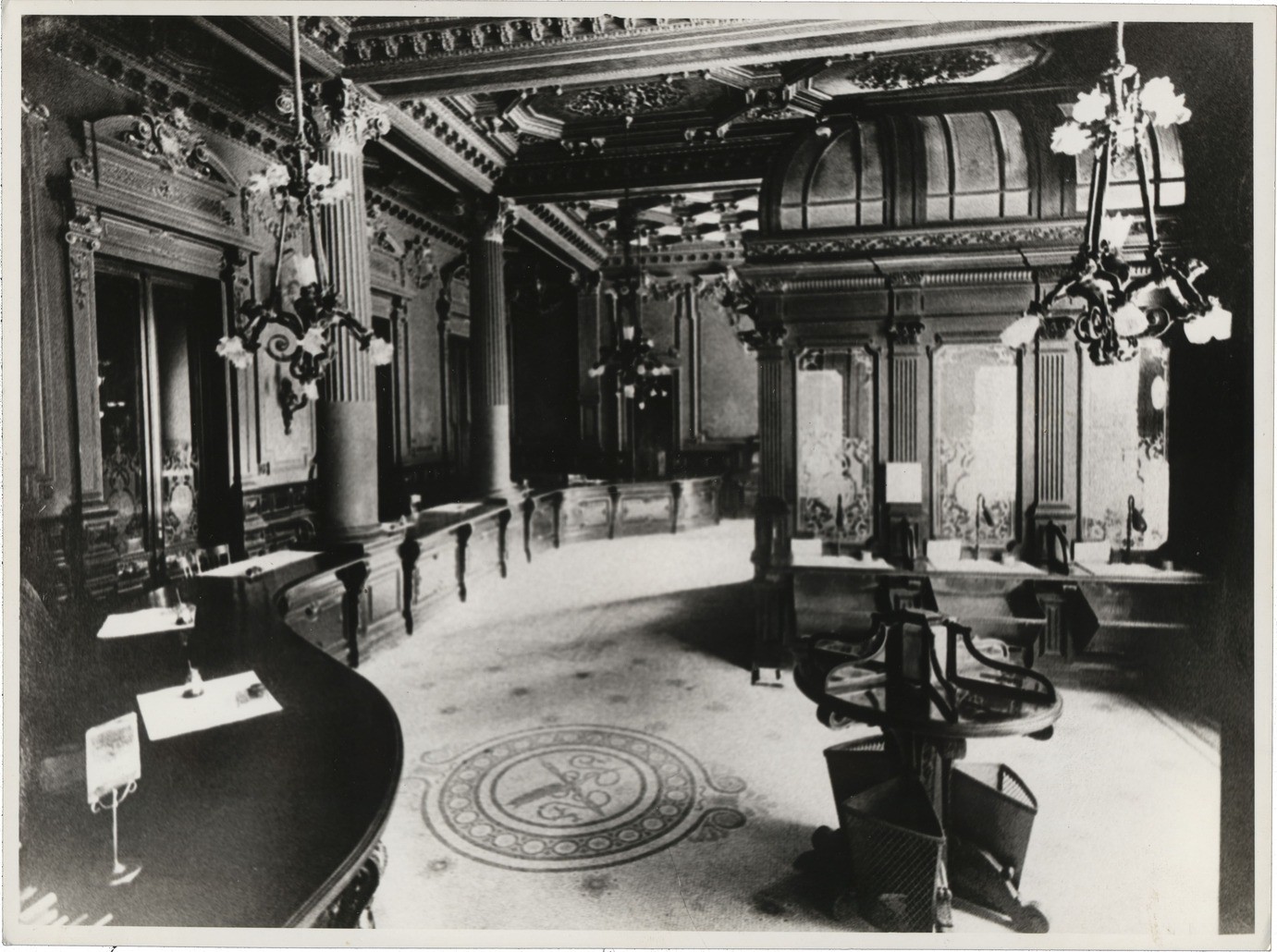
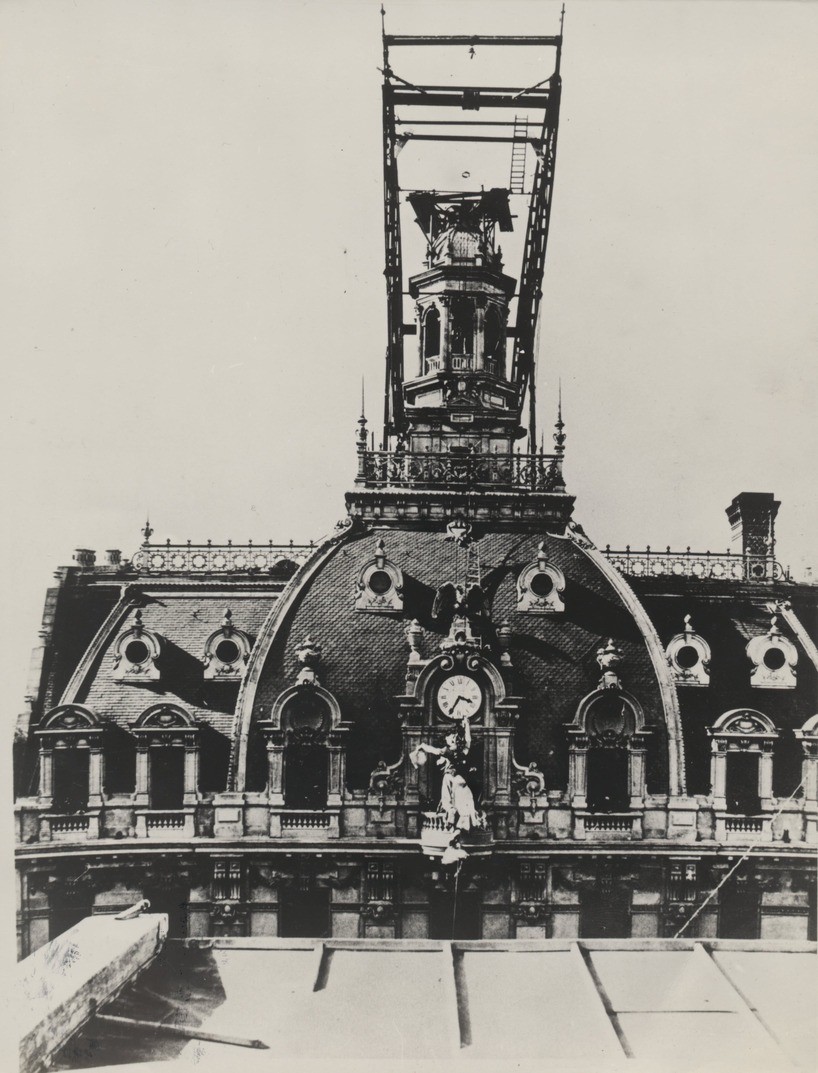
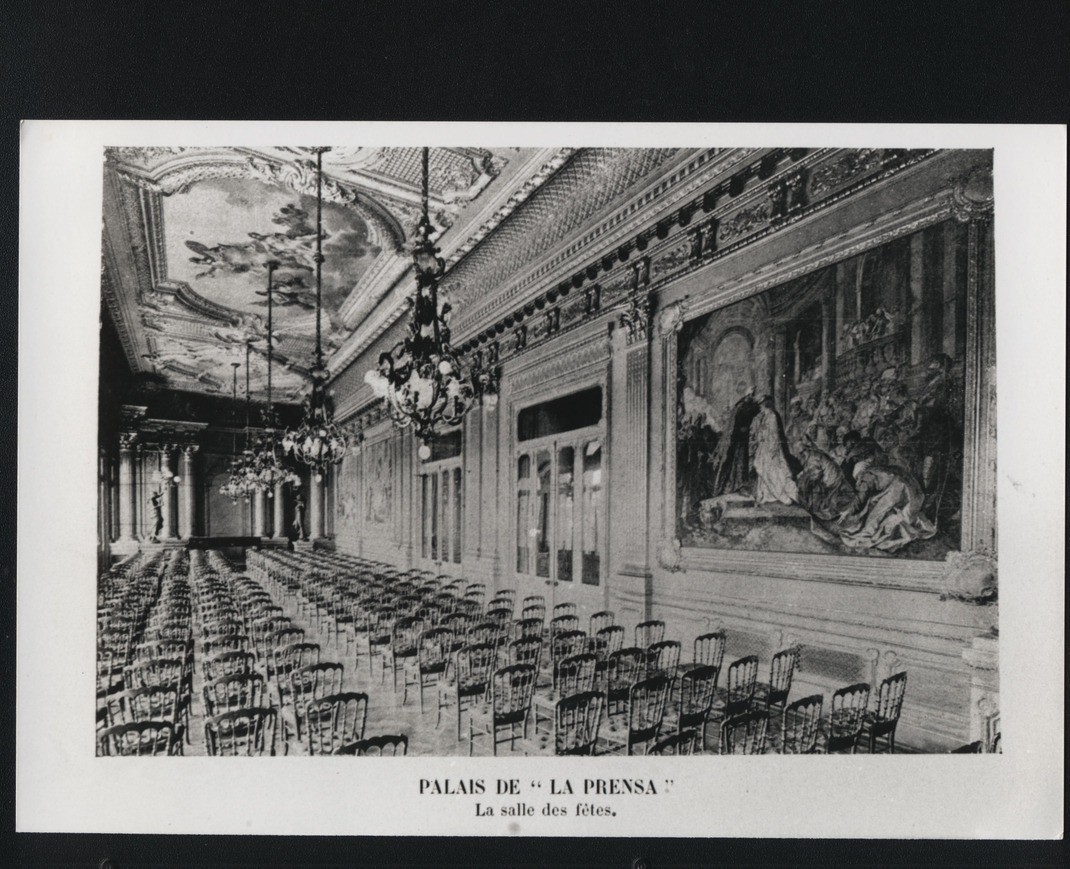
In addition to the newsroom and offices, the building housed free medical offices, a public library, and a Golden Hall open to conferences, concerts, and assemblies. In that Golden Hall, Jorge Luis Borges gave his first lecture. From the tower, the building's siren announced major events, whose news was written on boards visible from the sidewalk, calling crowds to learn about events such as the World Wars, the 1978 World Cup, or the arrival of man on the Moon. Today, the building maintains that connection to public life through library spaces and a store open to neighbors and visitors.
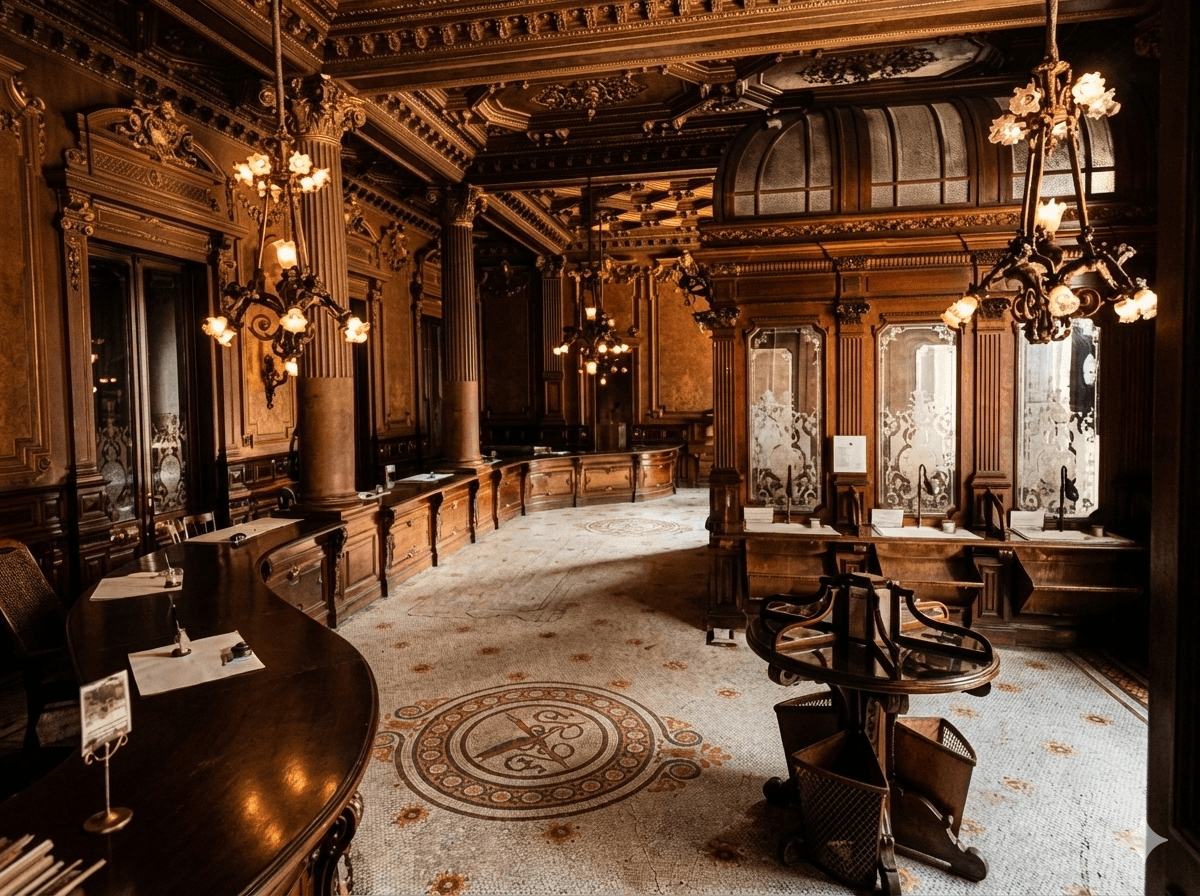
Over time, the property came into the hands of the State and was declared a National Historic Monument in 1985. Restoration works recovered the splendor of the Golden Hall and its decorative details, laden with symbols that many link to Freemasonry and to José C. Paz's ideas about freedom of the press. Today, as Casa de la Cultura, the building continues to be a place where architecture, memory, and public life meet.
The Casa de la Cultura Today
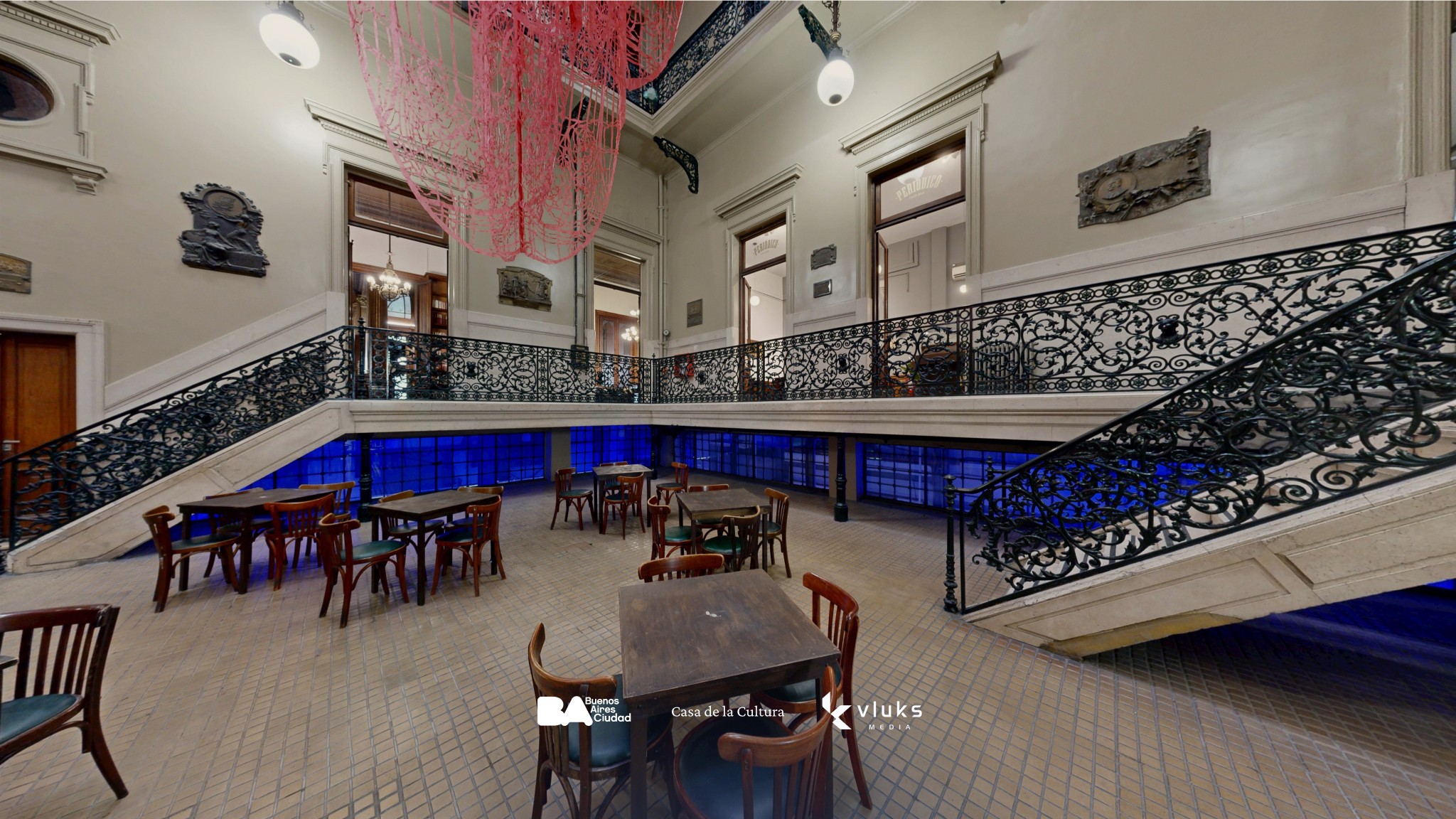
The Casa de la Cultura today houses the Porteno Ministry of Culture and opens its halls to exhibitions, presentations, chamber concerts, festivals, guided tours, and institutional activities, allowing a rediscovery of the building in full operation.
Its Heritage Importance
It is one of the most recognizable pieces on Avenida de Mayo and an emblem of late 19th century Buenos Aires. It brings together the history of journalism, monumental architecture, and civic tradition. As Casa de la Cultura, it updates that legacy and keeps alive a building that is part of the city's symbolic heritage.
History
The building of the current Casa de la Cultura was inaugurated in 1898 as the headquarters of the newspaper La Prensa, designed in the Beaux Arts style and equipped with state-of-the-art technology for its time. For decades, it was one of the most important newspapers in the world, on par with major publications like The Times or The New York Times.
In addition to the newsroom and offices, the building housed free medical offices, a public library, and a Golden Hall open to conferences, concerts, and assemblies. In that Golden Hall, Jorge Luis Borges gave his first lecture. From the tower, the building's siren announced major events, whose news was written on boards visible from the sidewalk, calling crowds to learn about events such as the World Wars, the 1978 World Cup, or the arrival of man on the Moon. Today, the building maintains that connection to public life through library spaces and a store open to neighbors and visitors.
Over time, the property came into the hands of the State and was declared a National Historic Monument in 1985. Restoration works recovered the splendor of the Golden Hall and its decorative details, laden with symbols that many link to Freemasonry and to José C. Paz's ideas about freedom of the press. Today, as Casa de la Cultura, the building continues to be a place where architecture, memory, and public life meet.
The Casa de la Cultura Today
The Casa de la Cultura today houses the Porteno Ministry of Culture and opens its halls to exhibitions, presentations, chamber concerts, festivals, guided tours, and institutional activities, allowing a rediscovery of the building in full operation.
Its Heritage Importance
It is one of the most recognizable pieces on Avenida de Mayo and an emblem of late 19th century Buenos Aires. It brings together the history of journalism, monumental architecture, and civic tradition. As Casa de la Cultura, it updates that legacy and keeps alive a building that is part of the city's symbolic heritage.
Featured spaces
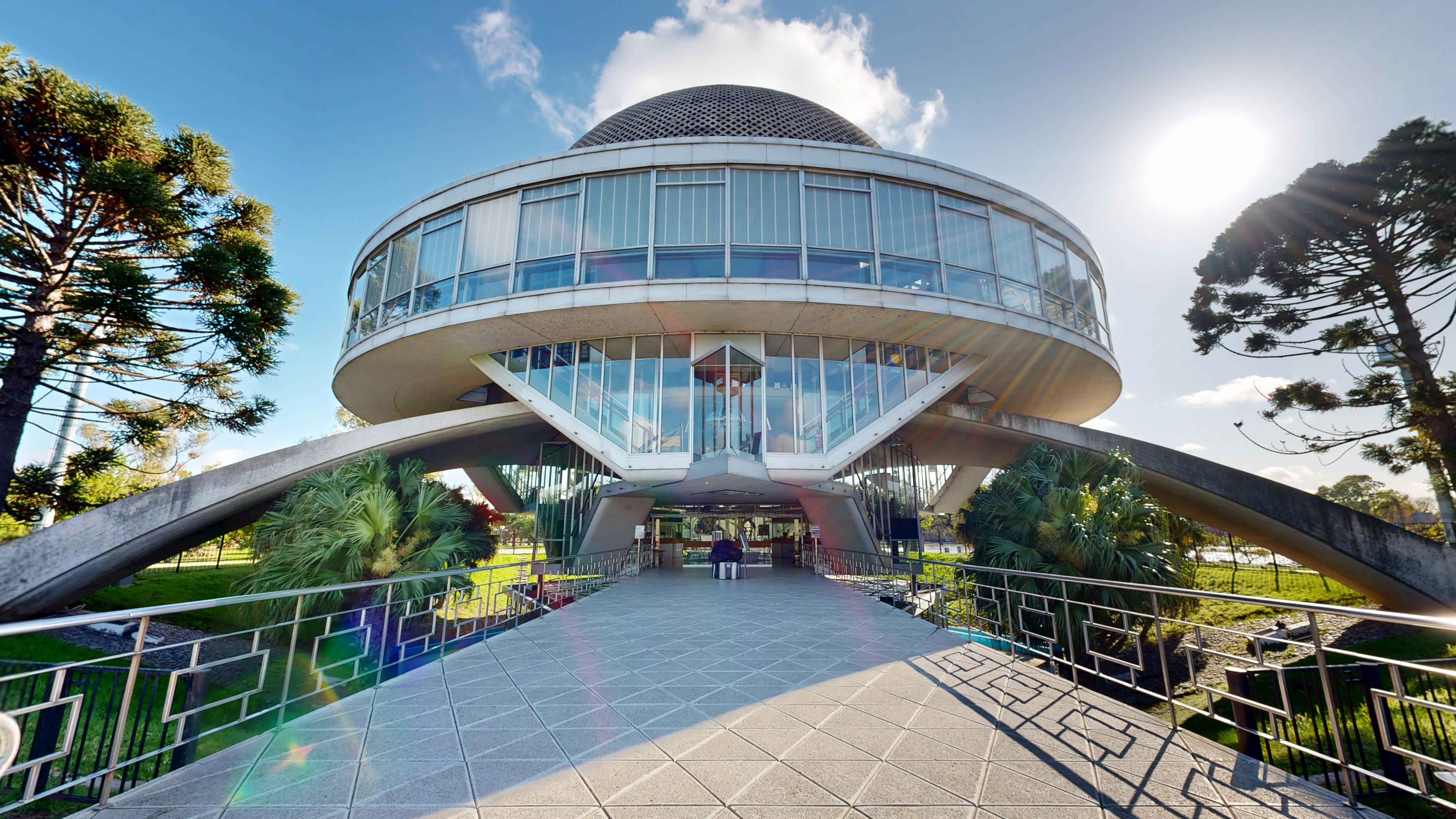

Galileo Galilei Planetarium
Galileo Galilei Planetarium
Galileo Galilei Planetarium
Museum
Museum
Infantil
Infantil
Ciencia
Ciencia
House of Culture
House of Culture
House of Culture
Cultural Center
Cultural Center
Concert hall
Concert hall
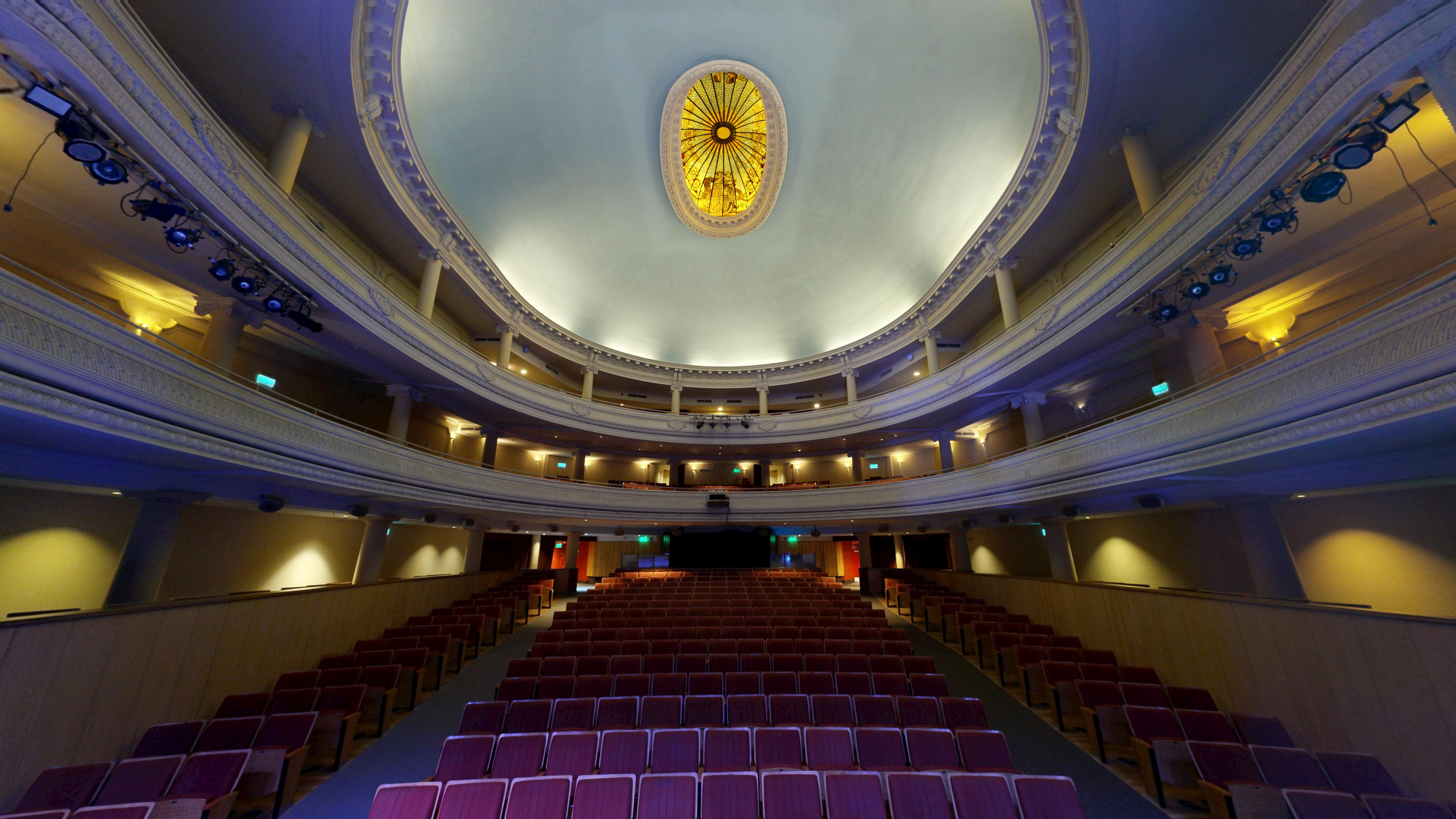

25 de Mayo Cultural Center
25 de Mayo Cultural Center
25 de Mayo Cultural Center
Cultural Center
Cultural Center
Concert hall
Concert hall
Theater
Theater
Created by

Vluks Media
Created by
Vluks Media
Created by
Vluks Media
Created by
Vluks Media