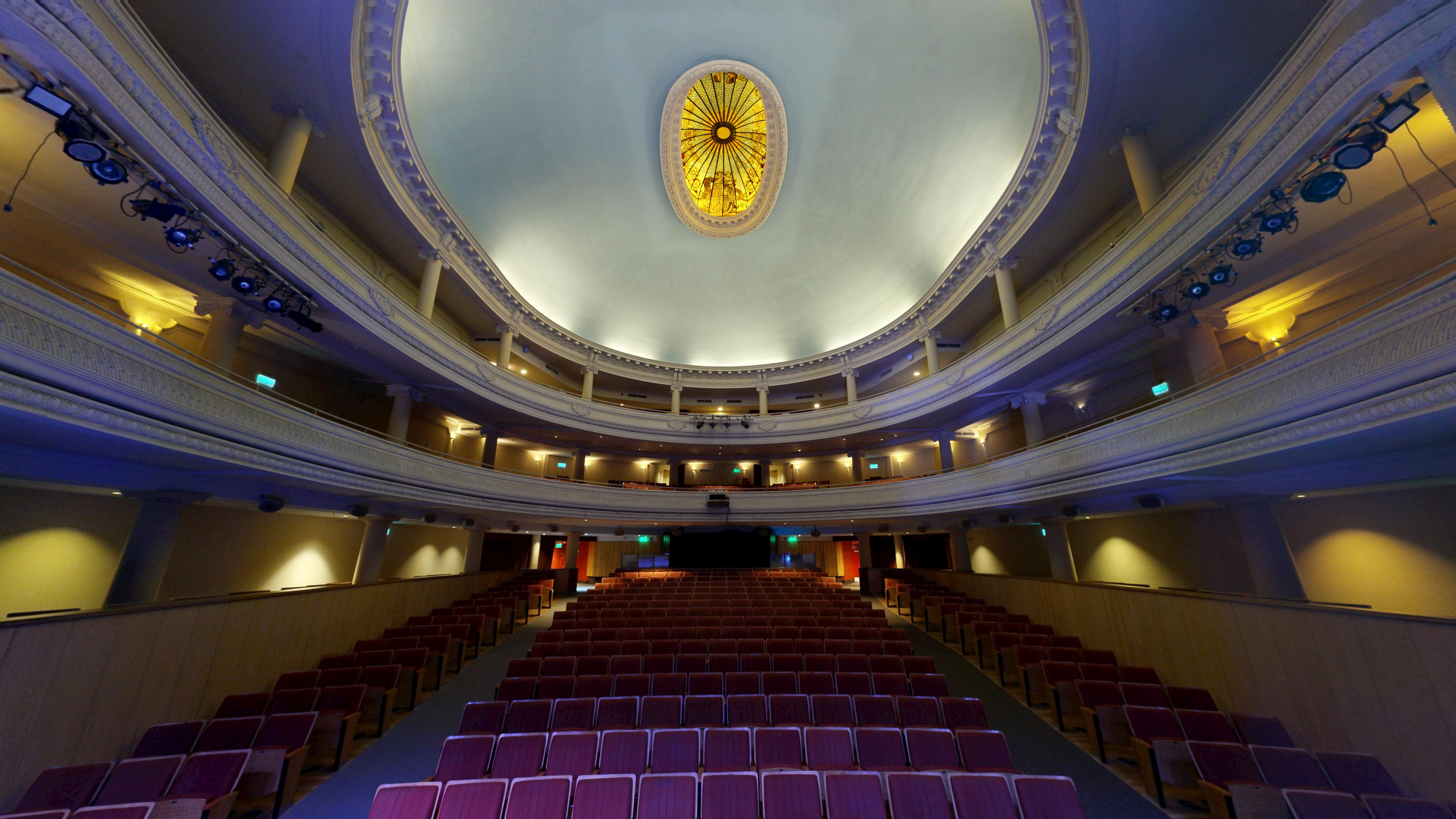

25 de Mayo Cultural Center
Cultural Center
Concert hall
Theater
Neighborhood
Villa Urquiza
Villa Urquiza
Founded in
1929
1929
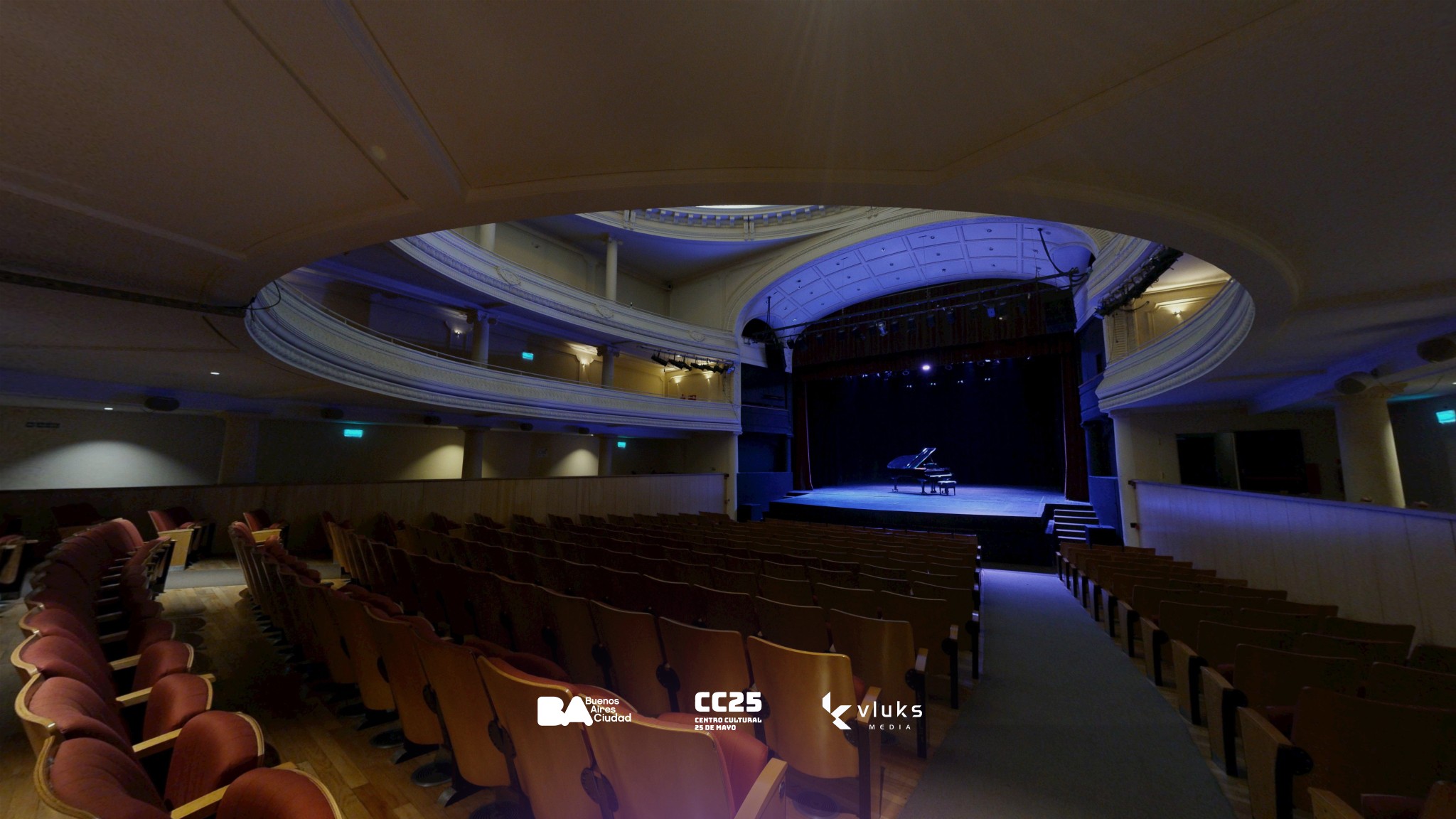
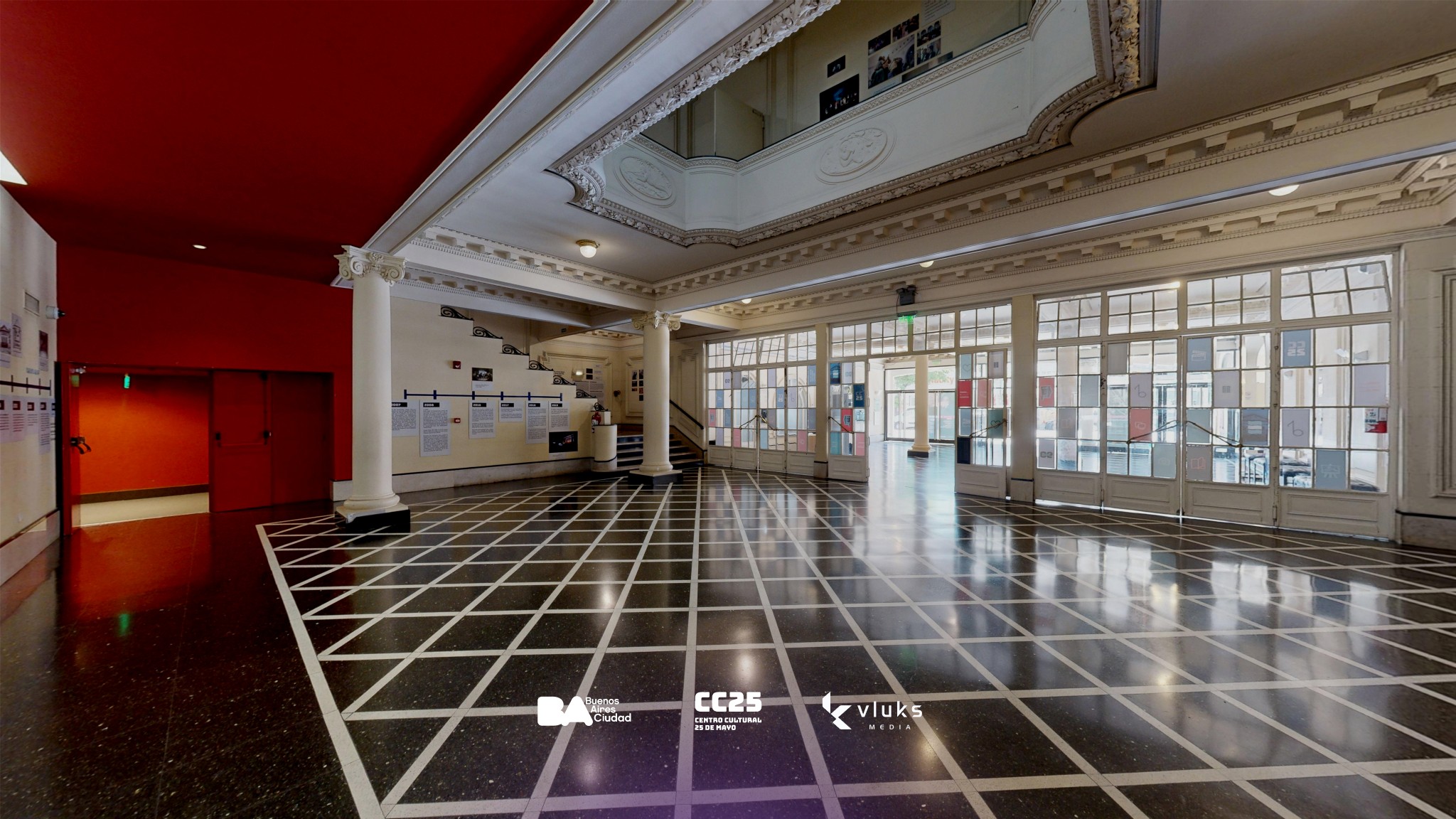
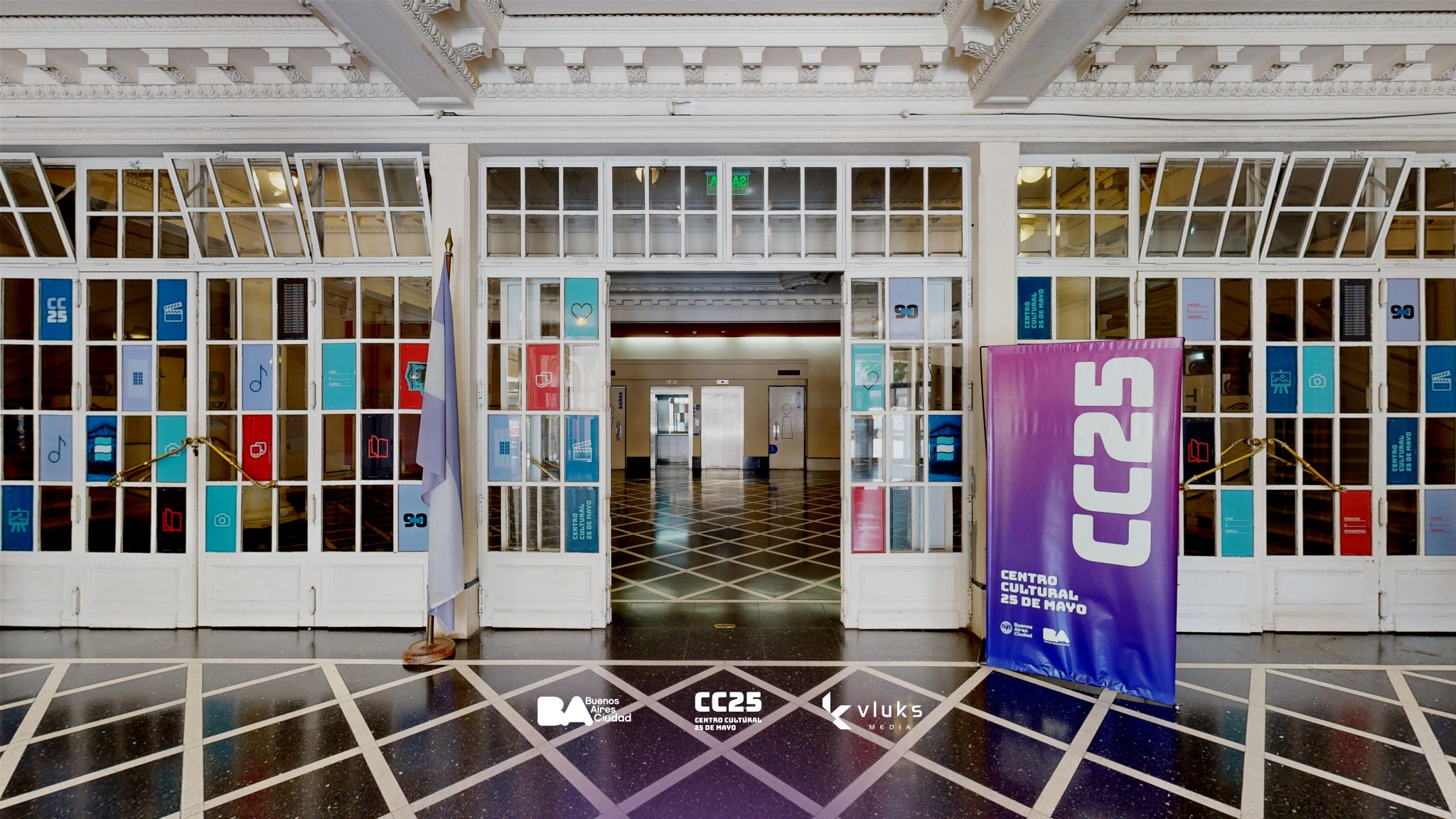
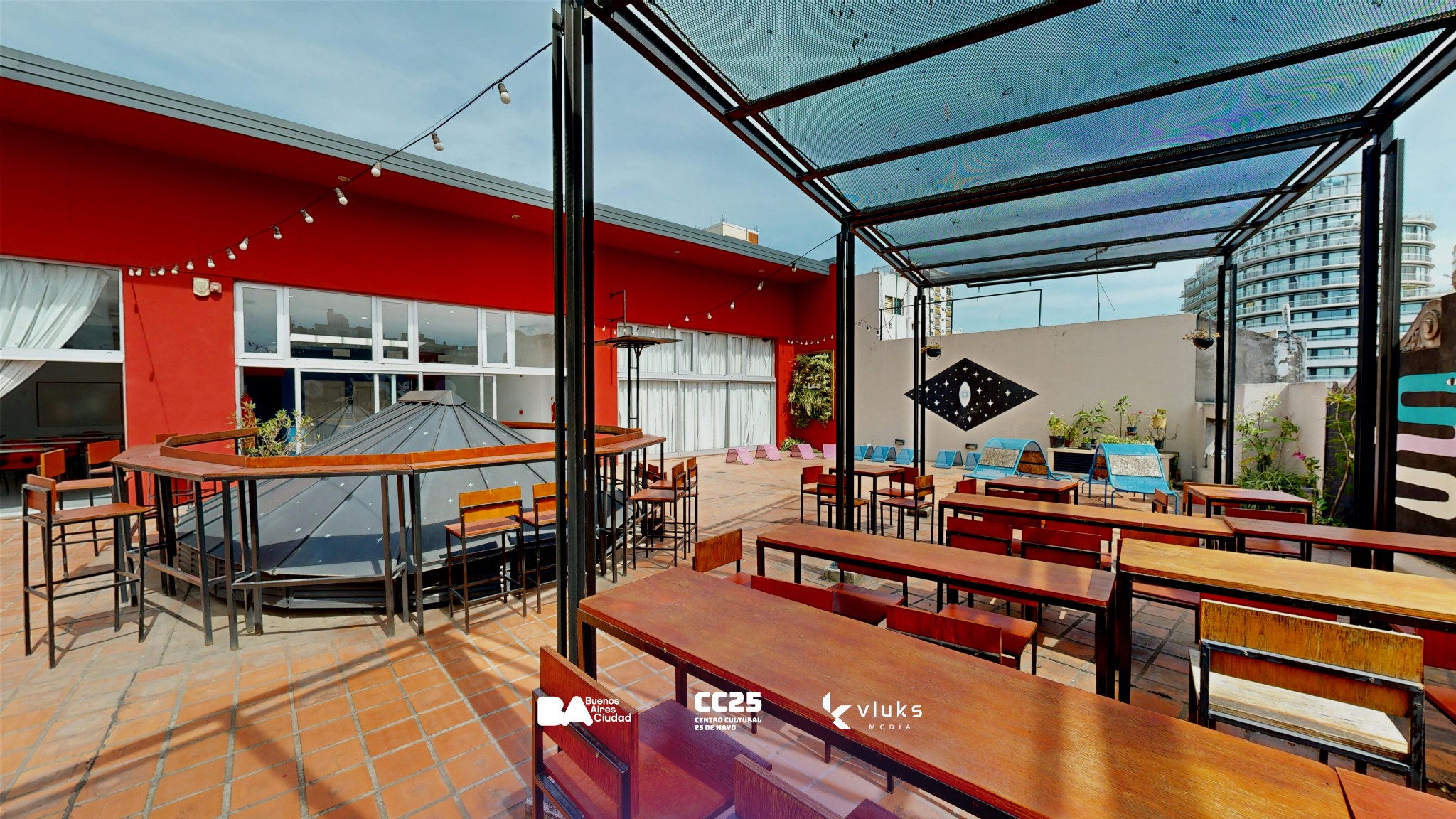
A historic cinema theater in Villa Urquiza, recovered by its neighbors and converted into a vibrant cultural center. Today it combines major stage productions, cinema, workshops, and community activities in an emblematic building of the neighborhood.
A historic cinema theater in Villa Urquiza, recovered by its neighbors and converted into a vibrant cultural center. Today it combines major stage productions, cinema, workshops, and community activities in an emblematic building of the neighborhood.
History
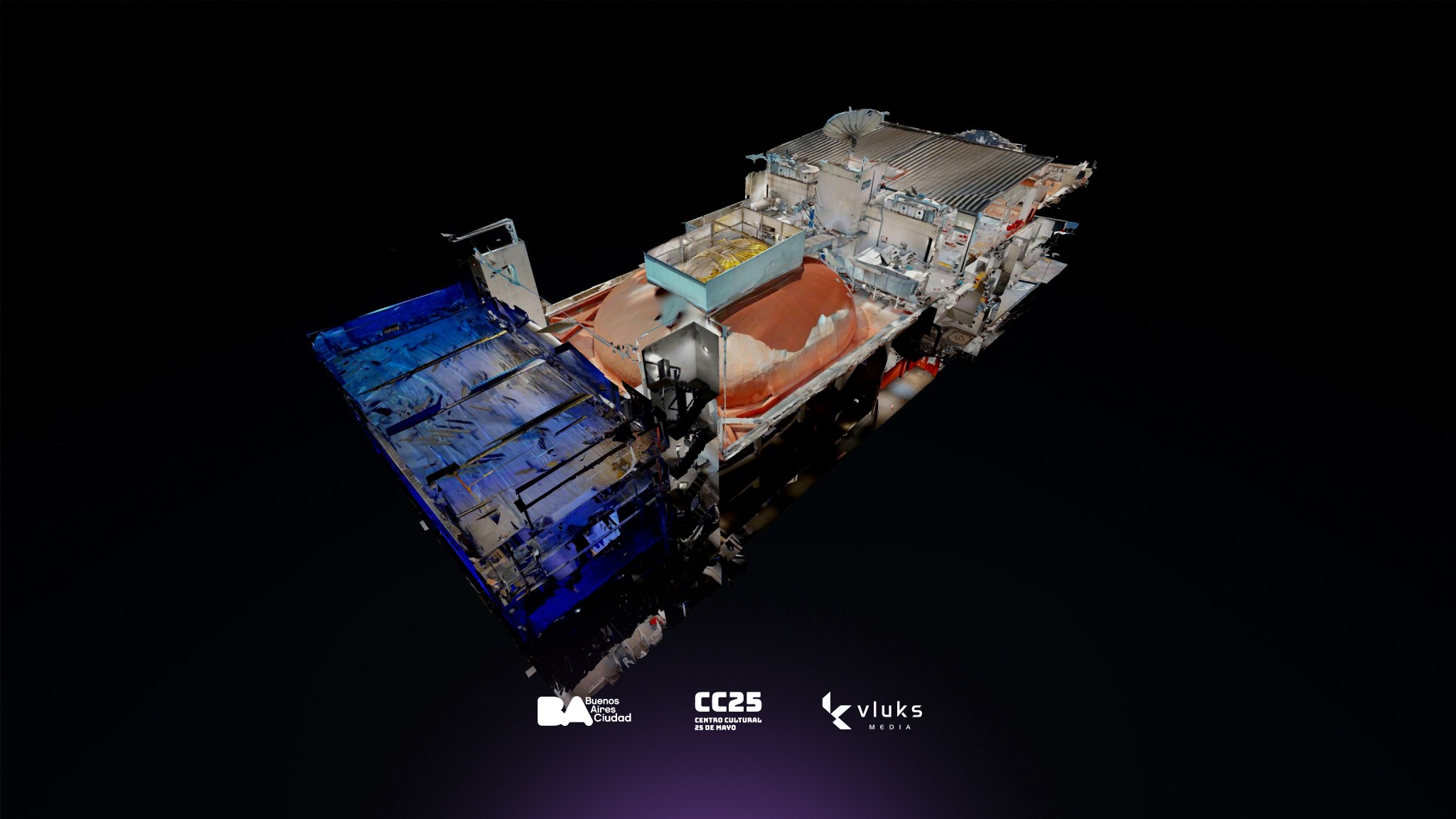
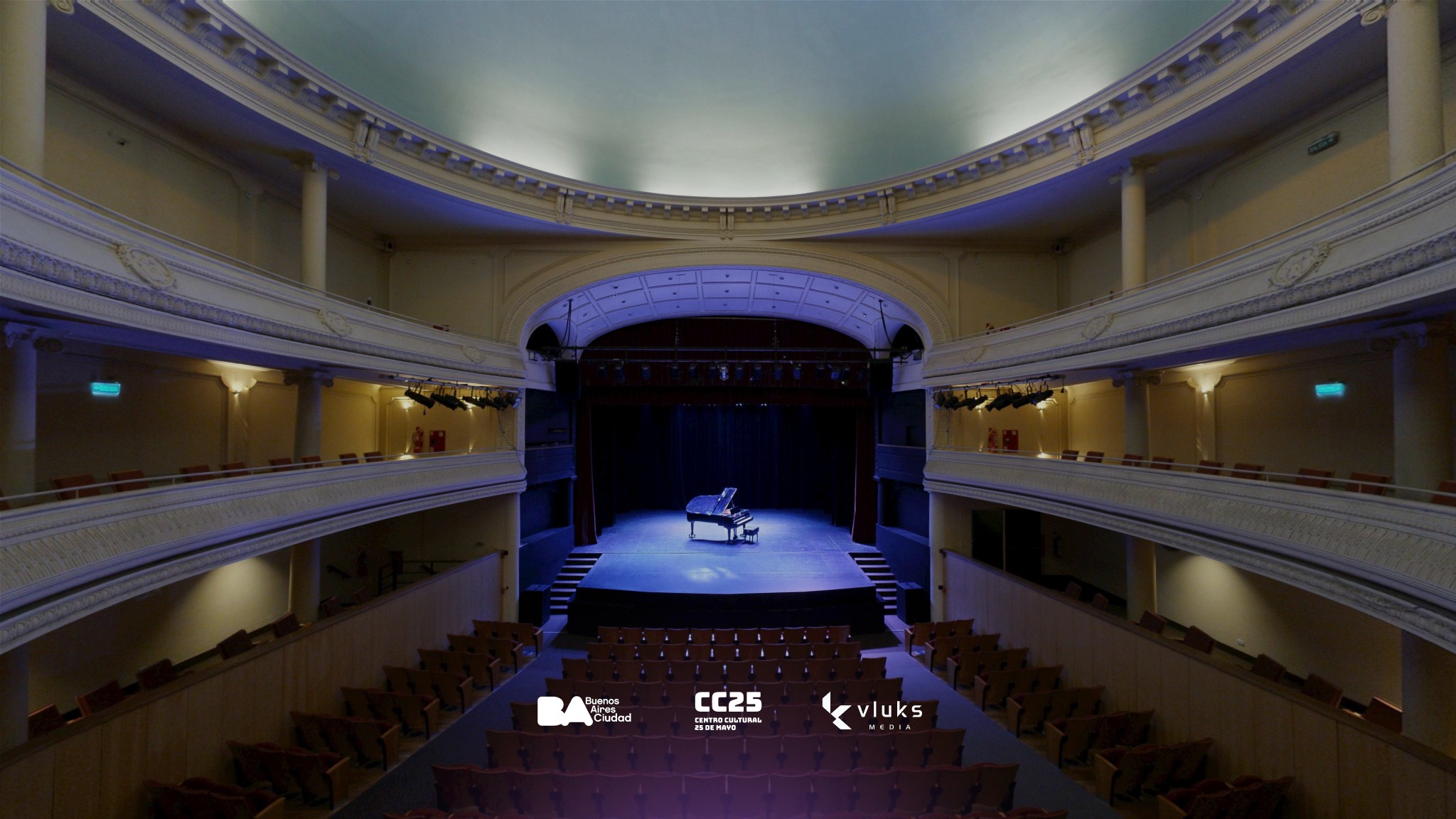
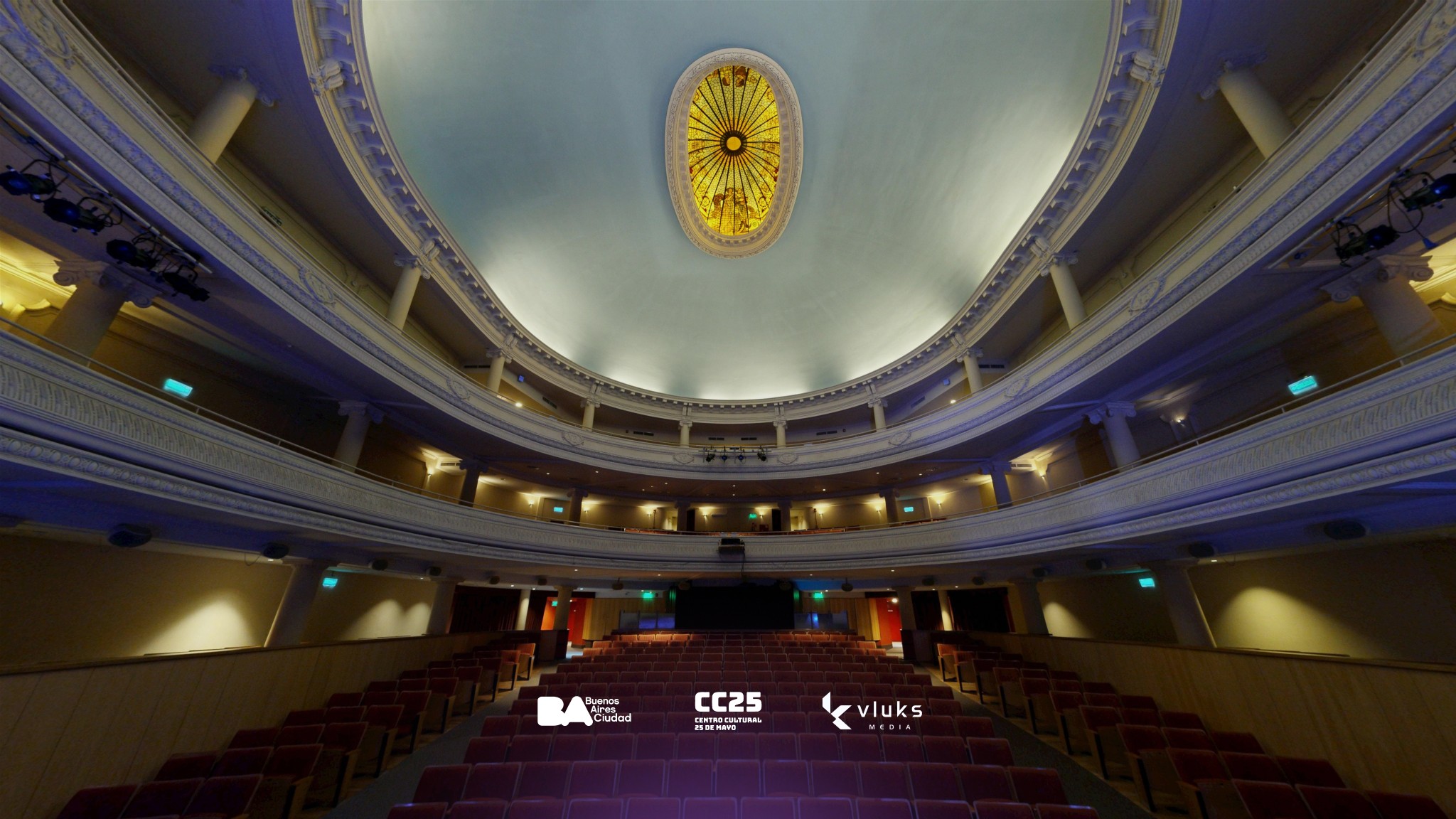
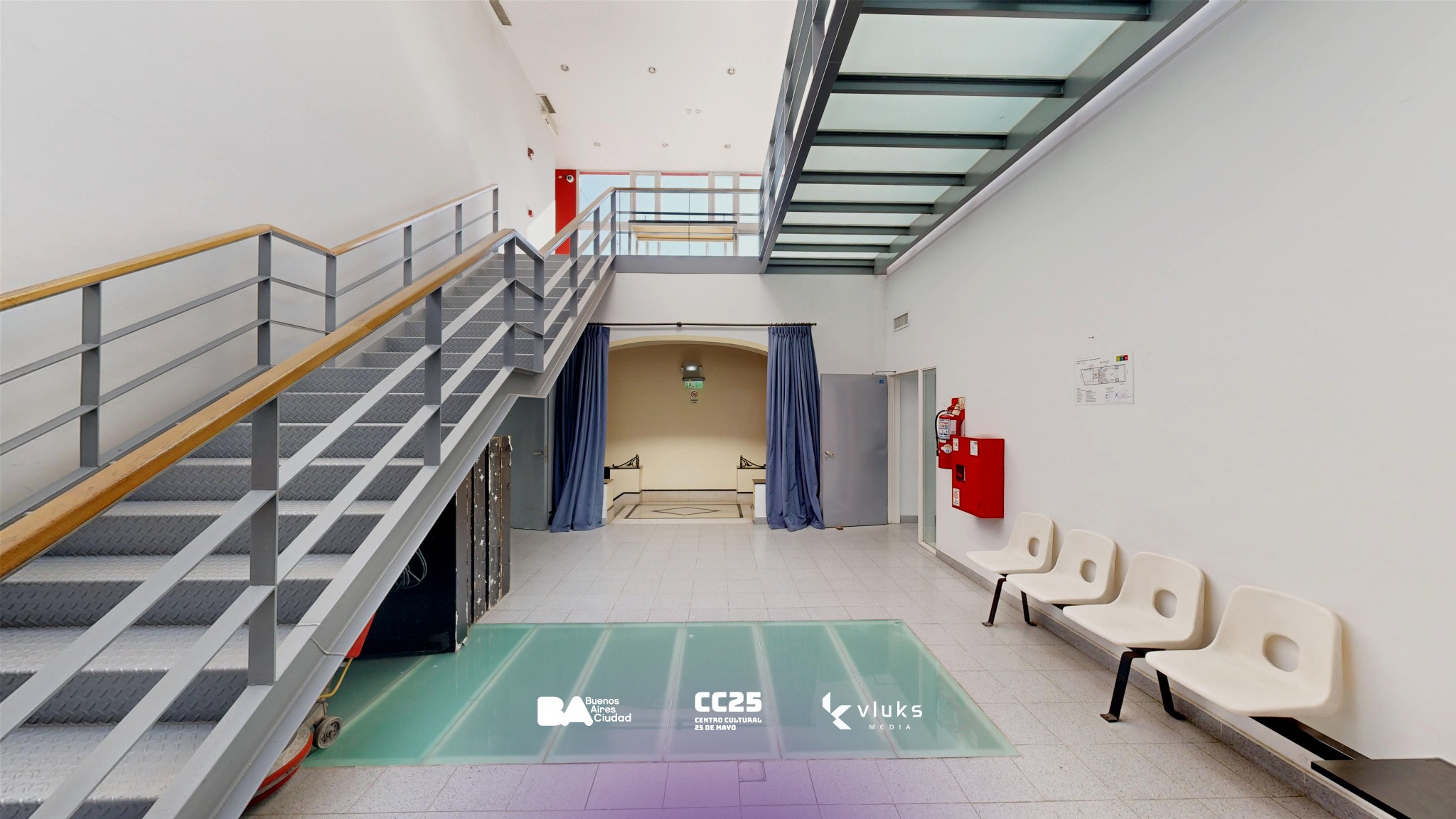
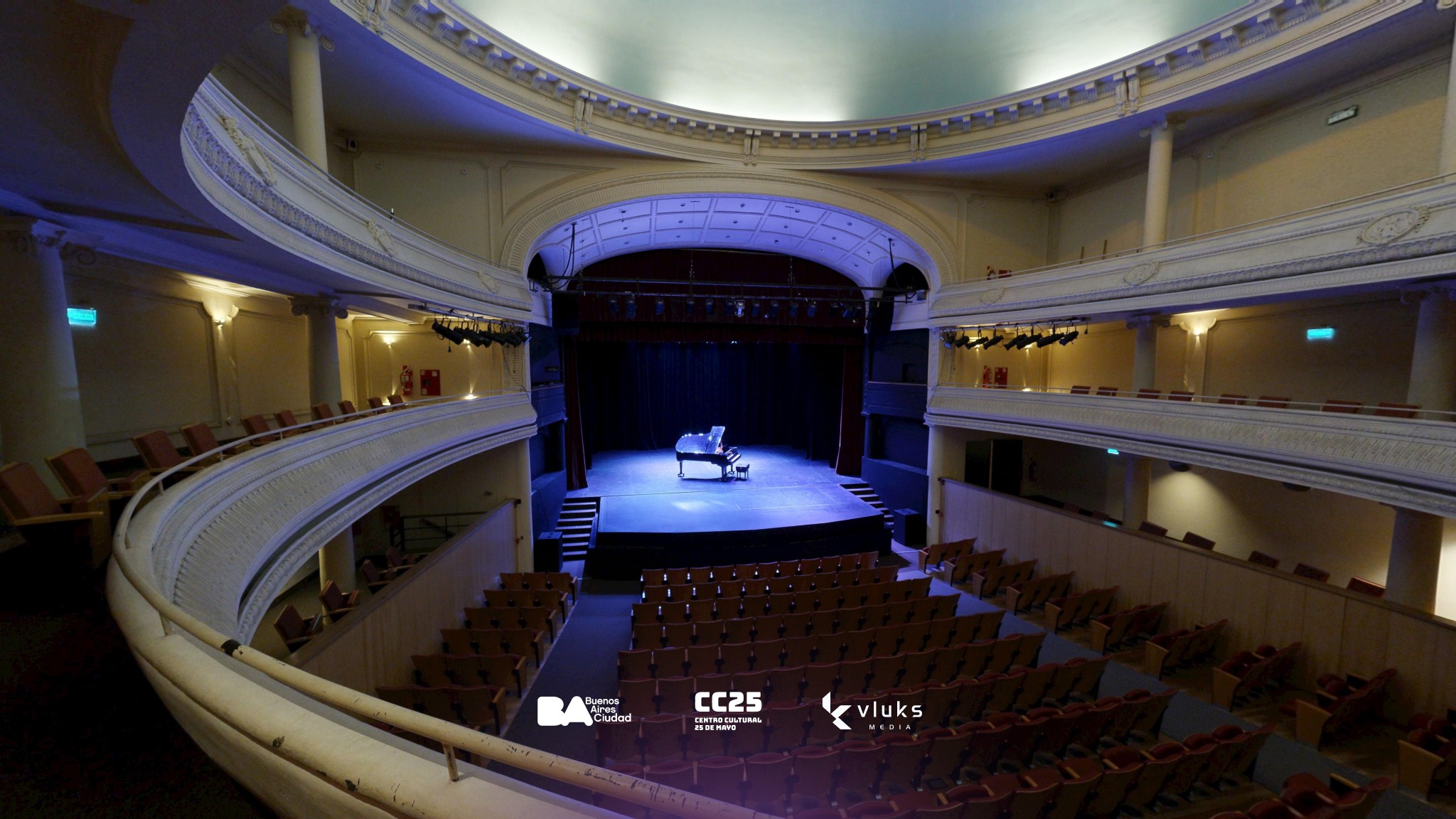
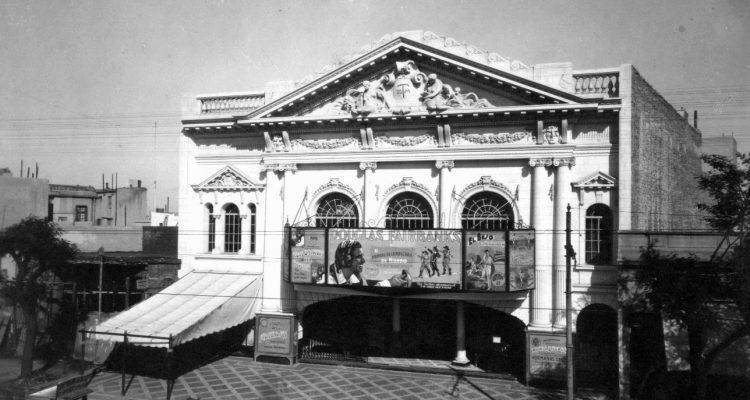
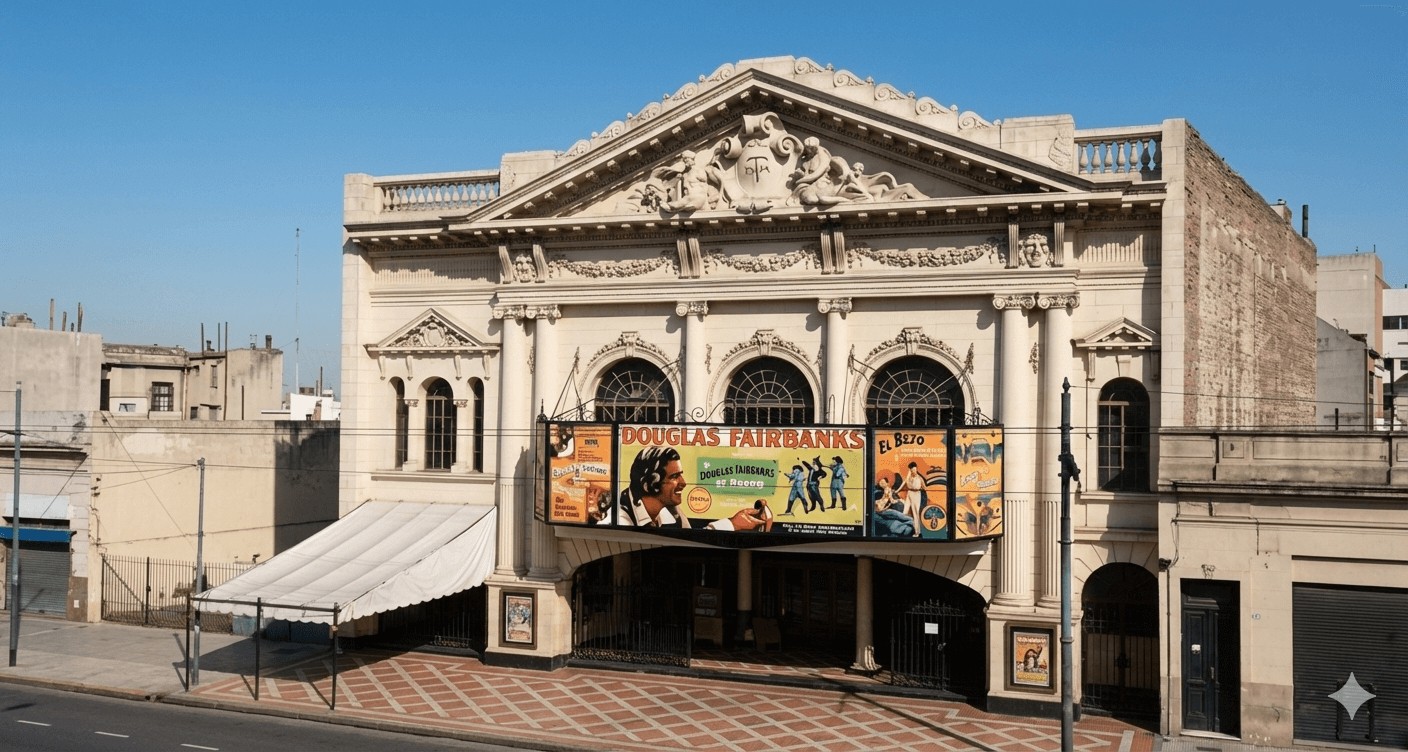
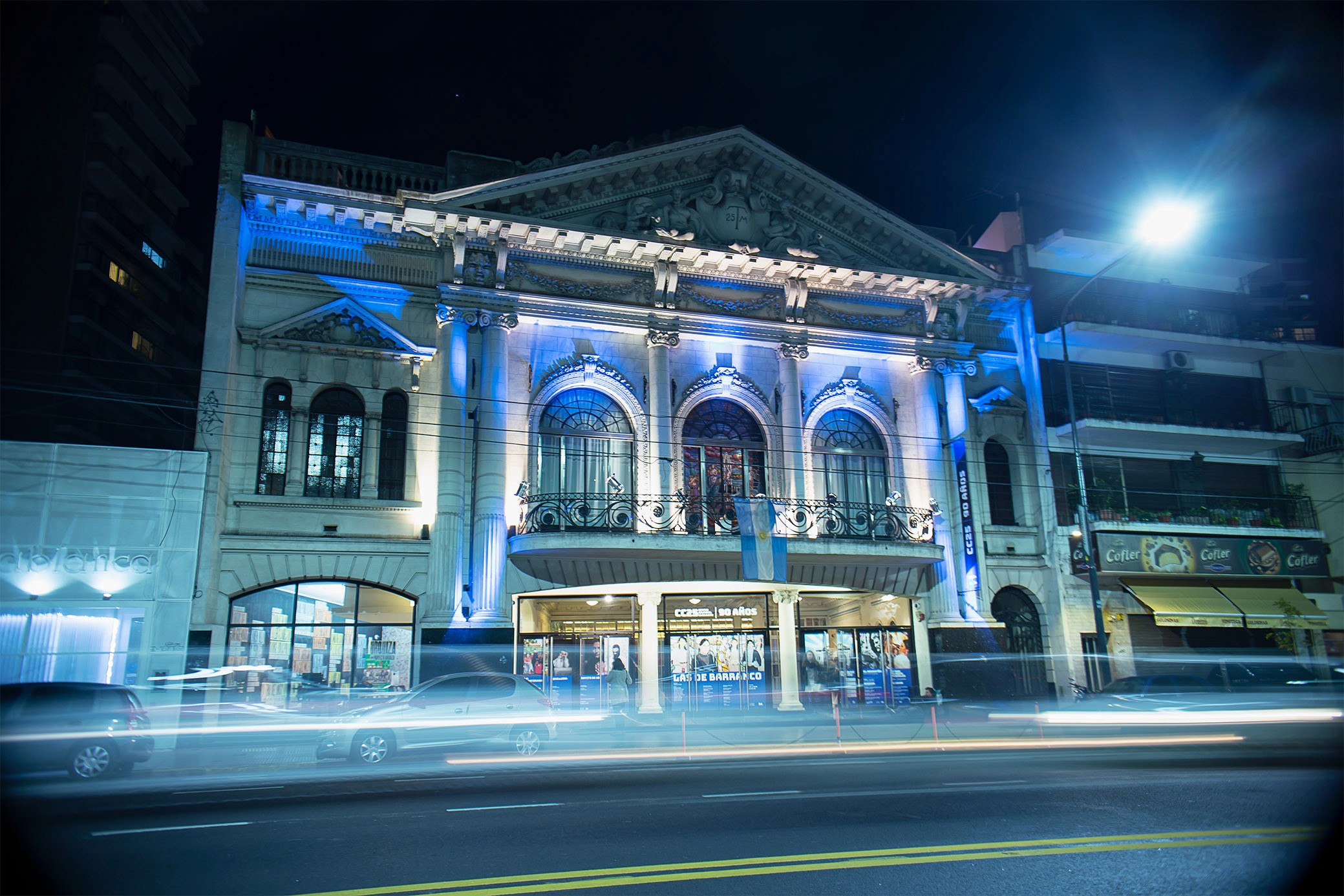
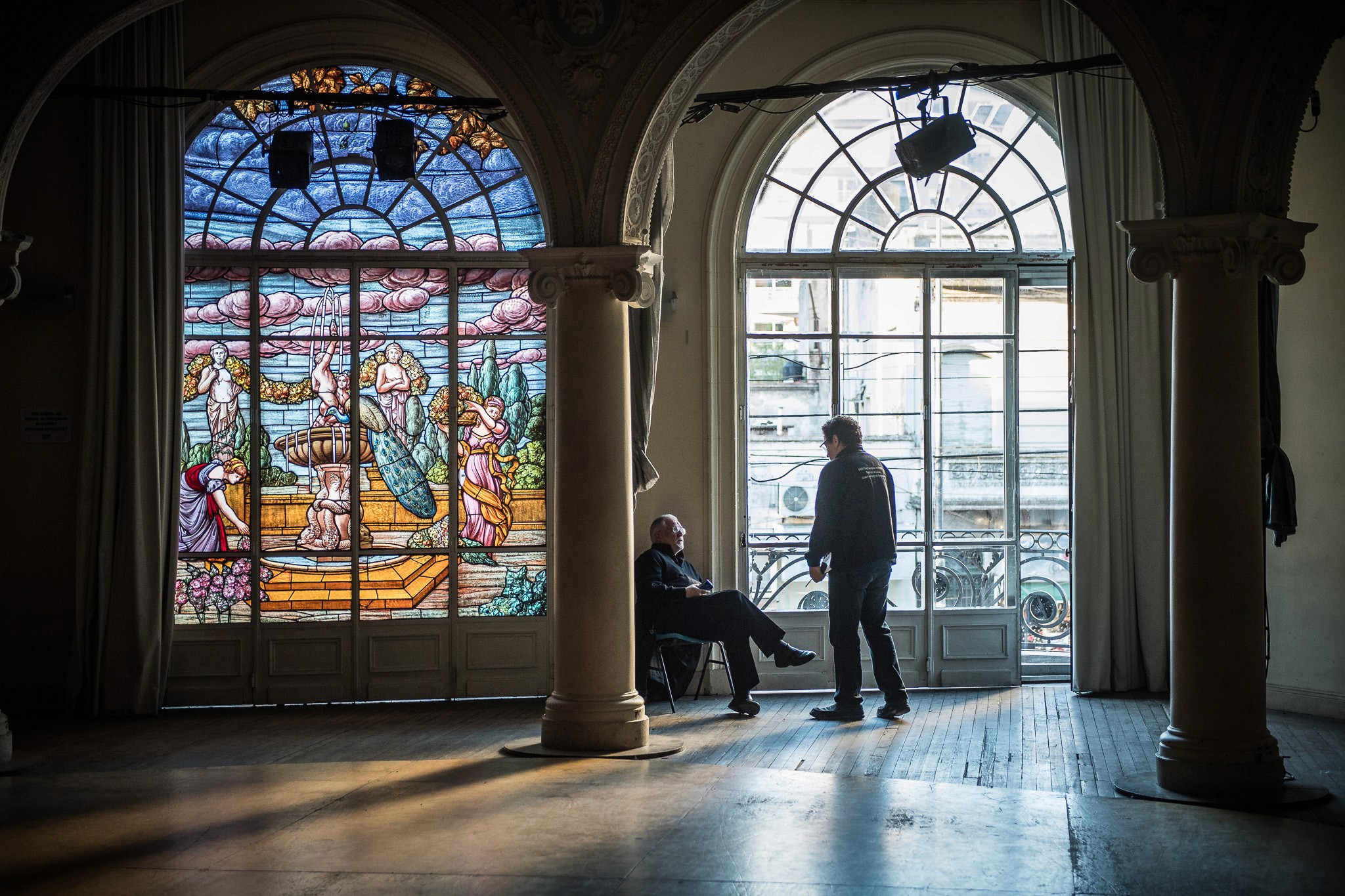
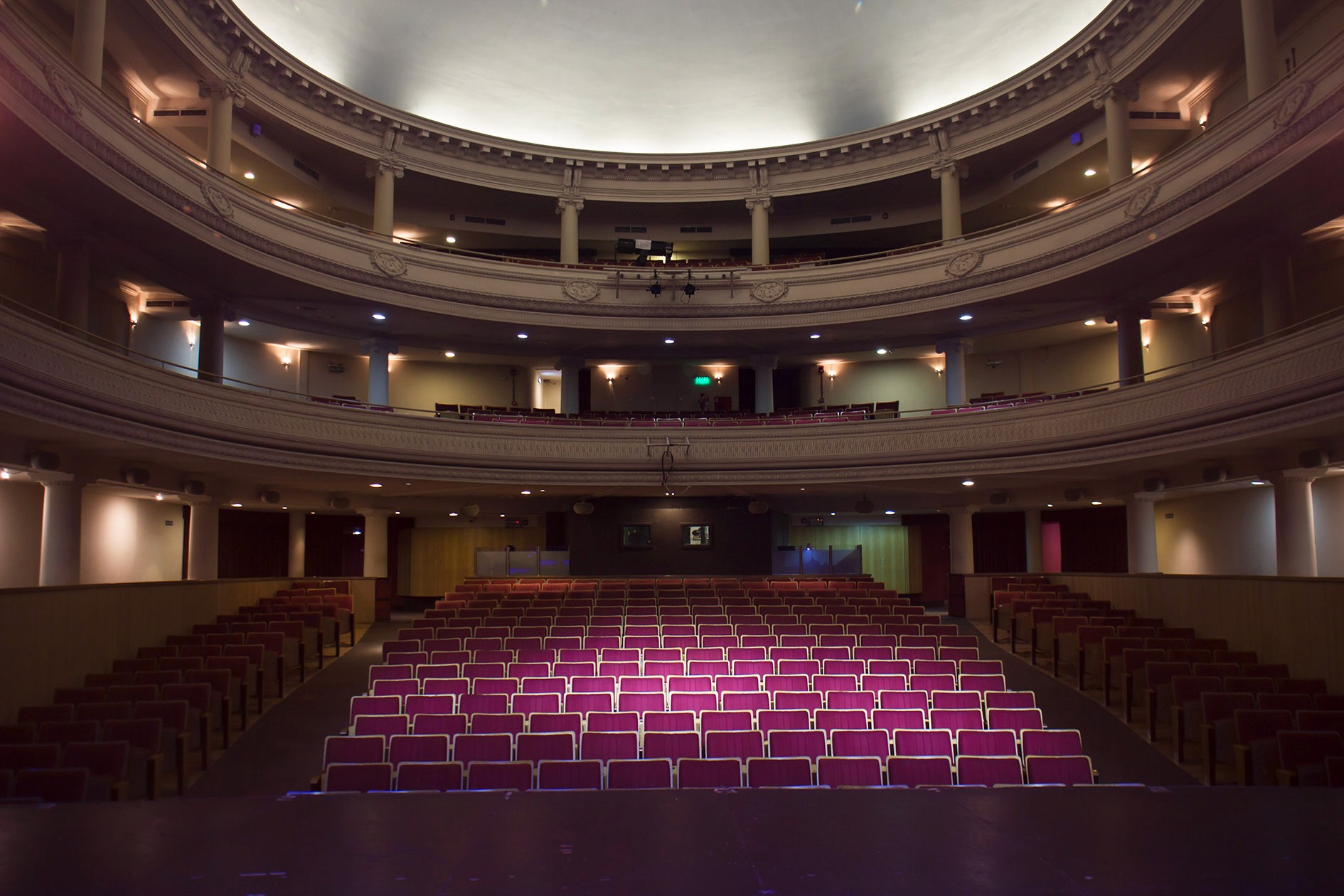
The Cine Teatro 25 de Mayo, a masterpiece by architect Maximino Gasparutti with murals and decoration by Felipe Galante, is one of the first theaters in the City of Buenos Aires and an emblematic building in Villa Urquiza, historically known as the “Petit Colón.” Its construction was driven by the neighbors and the Association of Merchants of Villa Urquiza, with the aim of creating a large cultural venue for the neighborhood. The cornerstone was laid on May 25, 1925, and after four years of work, the theater was inaugurated in May 1929 with a clear cultural and popular vocation.
Since its inception, the Cine Teatro 25 de Mayo has offered high-level theatrical and film programming, featuring national and international companies, orchestras, and key figures of Argentine culture, establishing itself as a reference point for the social and artistic life of the neighborhood. After going through different stages of splendor and decline, it closed in 1982. In 2004, it was expropriated by the City Government thanks to the efforts of the community organization Vecinos por el 25 de Mayo and reopened in 2008. Today, the Centro Cultural 25 de Mayo is the cultural hub of the northern area of the city of Buenos Aires.
The CC25 today
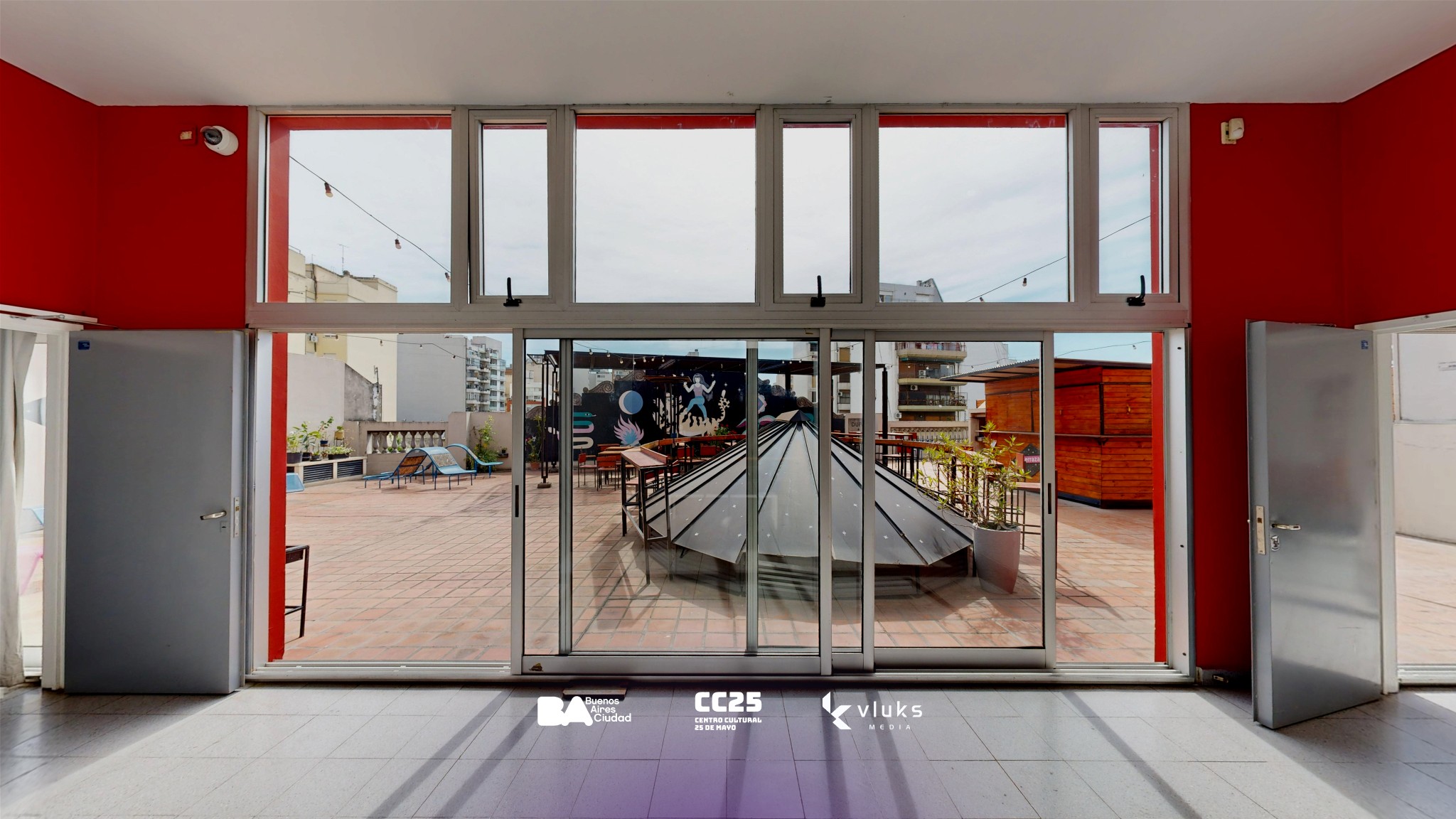
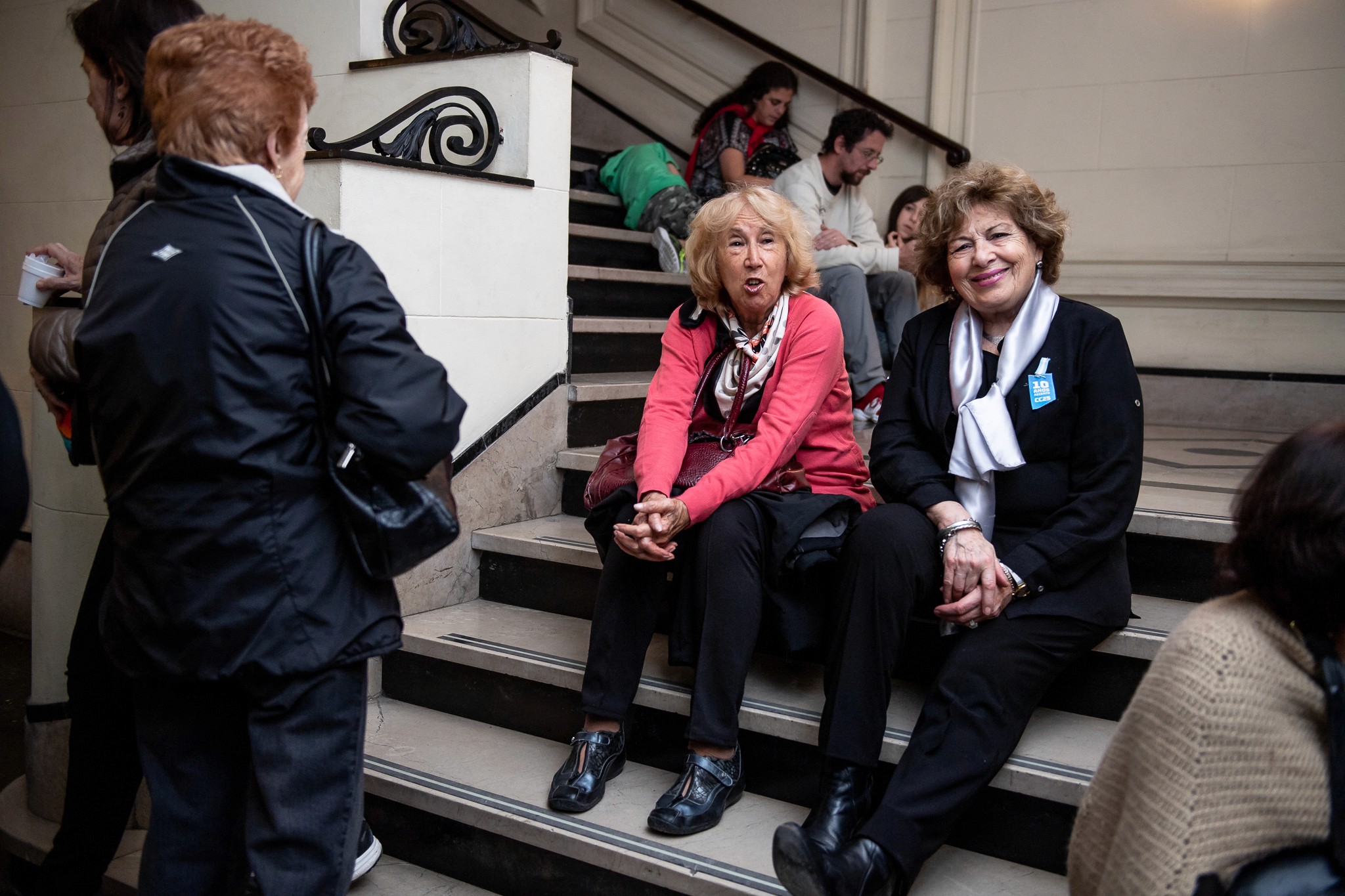
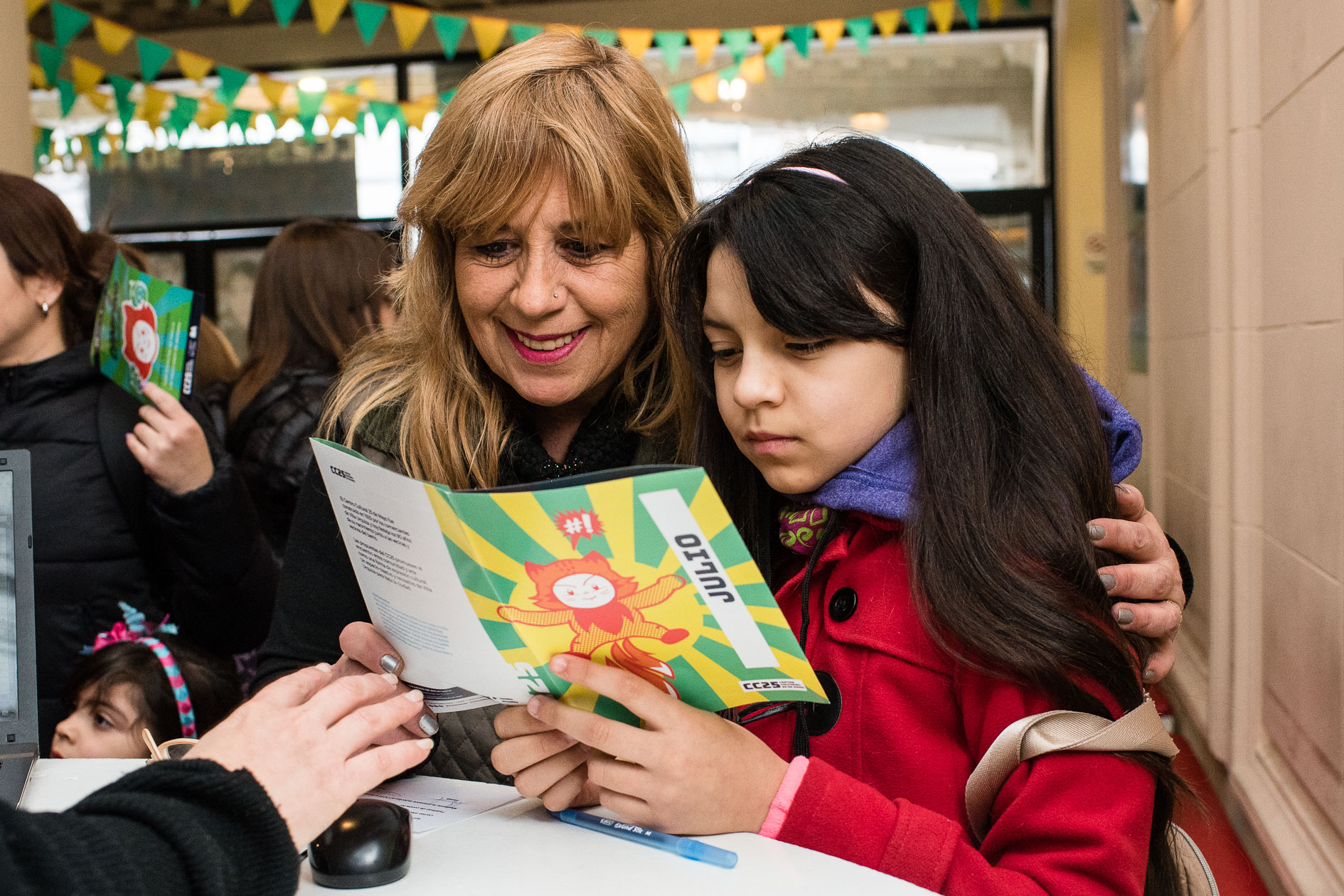
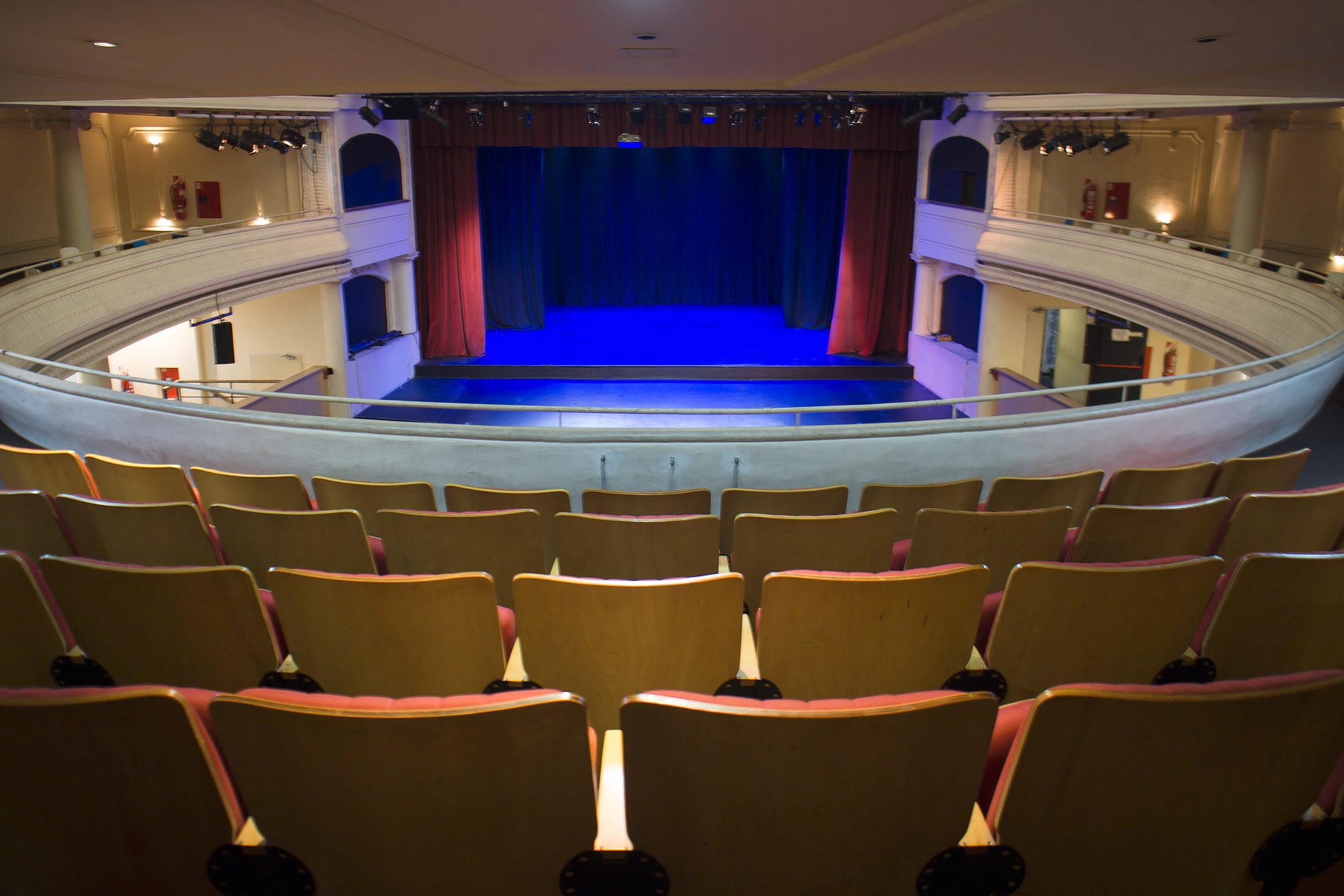
The Centro Cultural 25 de Mayo currently offers a sustained and diverse cultural programming, with proposals that include theater, music, film, programming for children, festivals, thematic cycles, workshops, and community projects. Its operation integrates halls, scenic spaces, and meeting areas that allow for continuous activity, connected to the cultural dynamics of the neighborhood and the City.
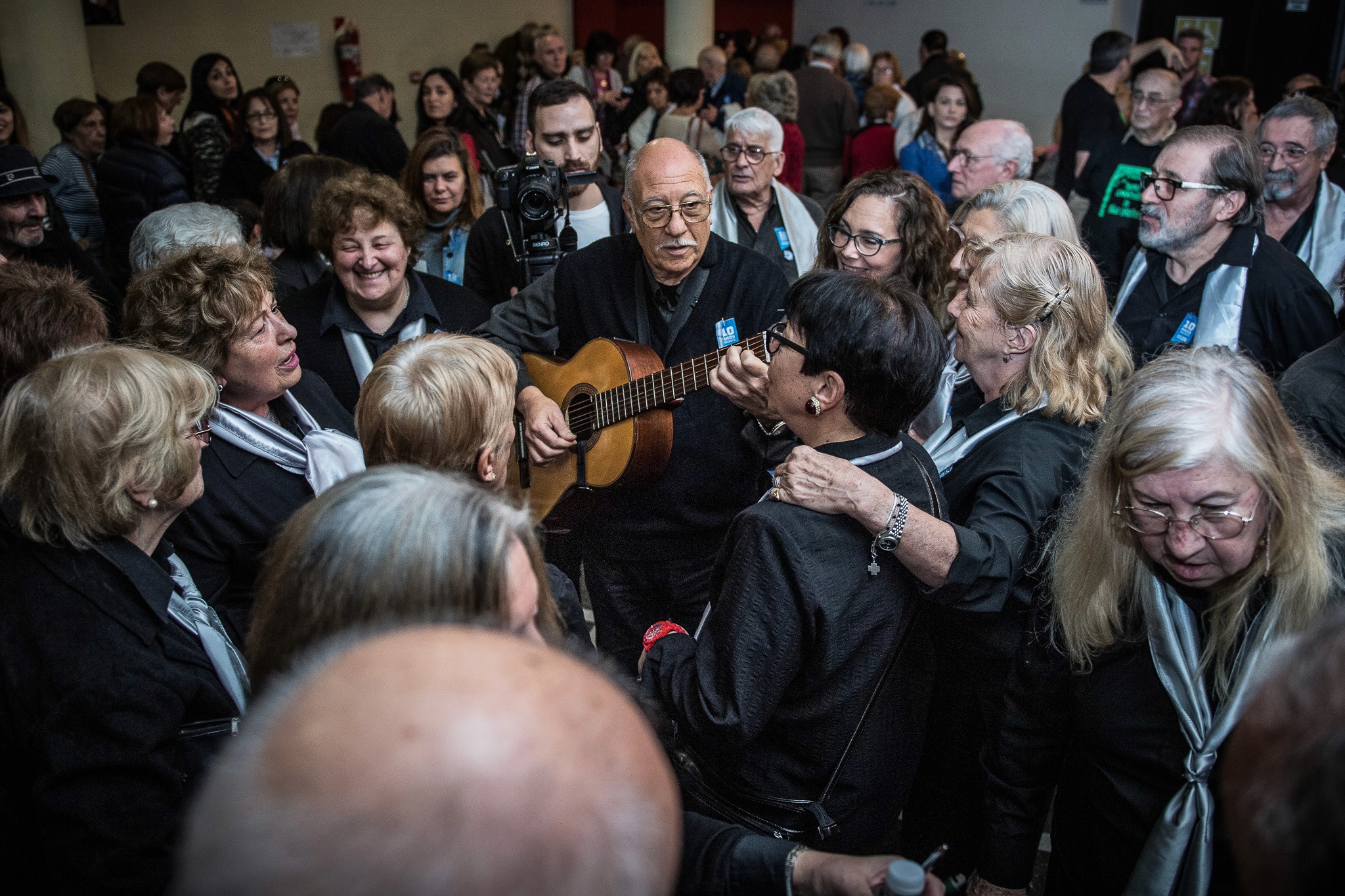
In its current phase, the Centro Cultural 25 de Mayo is projected as an active space for cultural circulation, combining professional productions with proposals originating from the neighborhood itself. Its daily activities solidify its presence as a public institution and reaffirm its place within the cultural circuit of Buenos Aires, without losing the connection to its history and neighborhood context.
Its heritage importance
The 25 de Mayo is an example of a community theater restored thanks to the joint efforts of neighbors and the State. Its trajectory as a cultural space, closely linked to the social and artistic life of Villa Urquiza, and the restoration of its historic building reflect the importance of preserving the cultural heritage of the neighborhood.
Its enhancement and continuity as a public cultural center demonstrate how heritage can be re-signified through new uses, preserving its original character and strengthening the identity of Villa Urquiza and the City of Buenos Aires.
History
The Cine Teatro 25 de Mayo, a masterpiece by architect Maximino Gasparutti with murals and decoration by Felipe Galante, is one of the first theaters in the City of Buenos Aires and an emblematic building in Villa Urquiza, historically known as the “Petit Colón.” Its construction was driven by the neighbors and the Association of Merchants of Villa Urquiza, with the aim of creating a large cultural venue for the neighborhood. The cornerstone was laid on May 25, 1925, and after four years of work, the theater was inaugurated in May 1929 with a clear cultural and popular vocation.
Since its inception, the Cine Teatro 25 de Mayo has offered high-level theatrical and film programming, featuring national and international companies, orchestras, and key figures of Argentine culture, establishing itself as a reference point for the social and artistic life of the neighborhood. After going through different stages of splendor and decline, it closed in 1982. In 2004, it was expropriated by the City Government thanks to the efforts of the community organization Vecinos por el 25 de Mayo and reopened in 2008. Today, the Centro Cultural 25 de Mayo is the cultural hub of the northern area of the city of Buenos Aires.
The CC25 today
The Centro Cultural 25 de Mayo currently offers a sustained and diverse cultural programming, with proposals that include theater, music, film, programming for children, festivals, thematic cycles, workshops, and community projects. Its operation integrates halls, scenic spaces, and meeting areas that allow for continuous activity, connected to the cultural dynamics of the neighborhood and the City.
In its current phase, the Centro Cultural 25 de Mayo is projected as an active space for cultural circulation, combining professional productions with proposals originating from the neighborhood itself. Its daily activities solidify its presence as a public institution and reaffirm its place within the cultural circuit of Buenos Aires, without losing the connection to its history and neighborhood context.
Its heritage importance
The 25 de Mayo is an example of a community theater restored thanks to the joint efforts of neighbors and the State. Its trajectory as a cultural space, closely linked to the social and artistic life of Villa Urquiza, and the restoration of its historic building reflect the importance of preserving the cultural heritage of the neighborhood.
Its enhancement and continuity as a public cultural center demonstrate how heritage can be re-signified through new uses, preserving its original character and strengthening the identity of Villa Urquiza and the City of Buenos Aires.
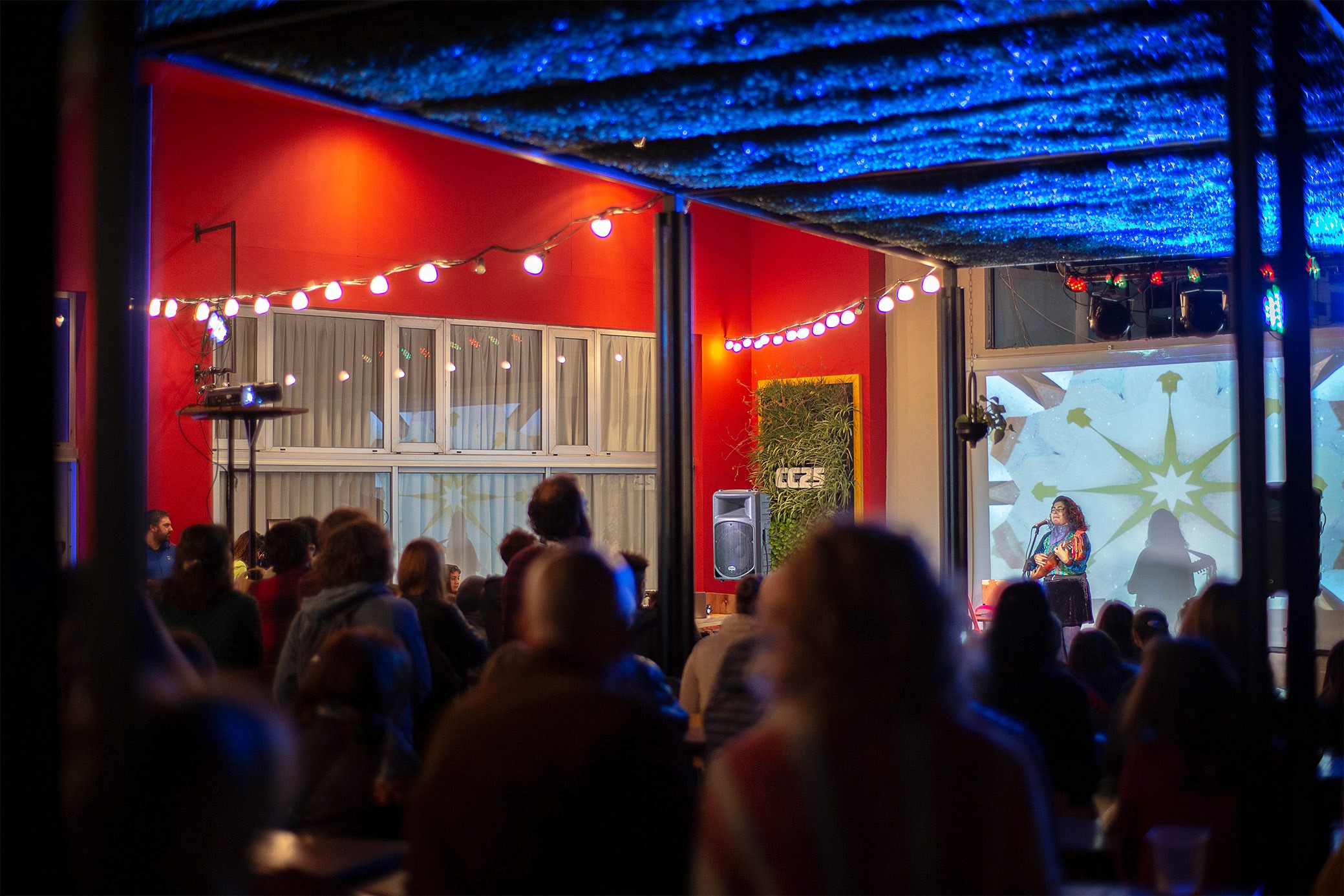
Featured spaces
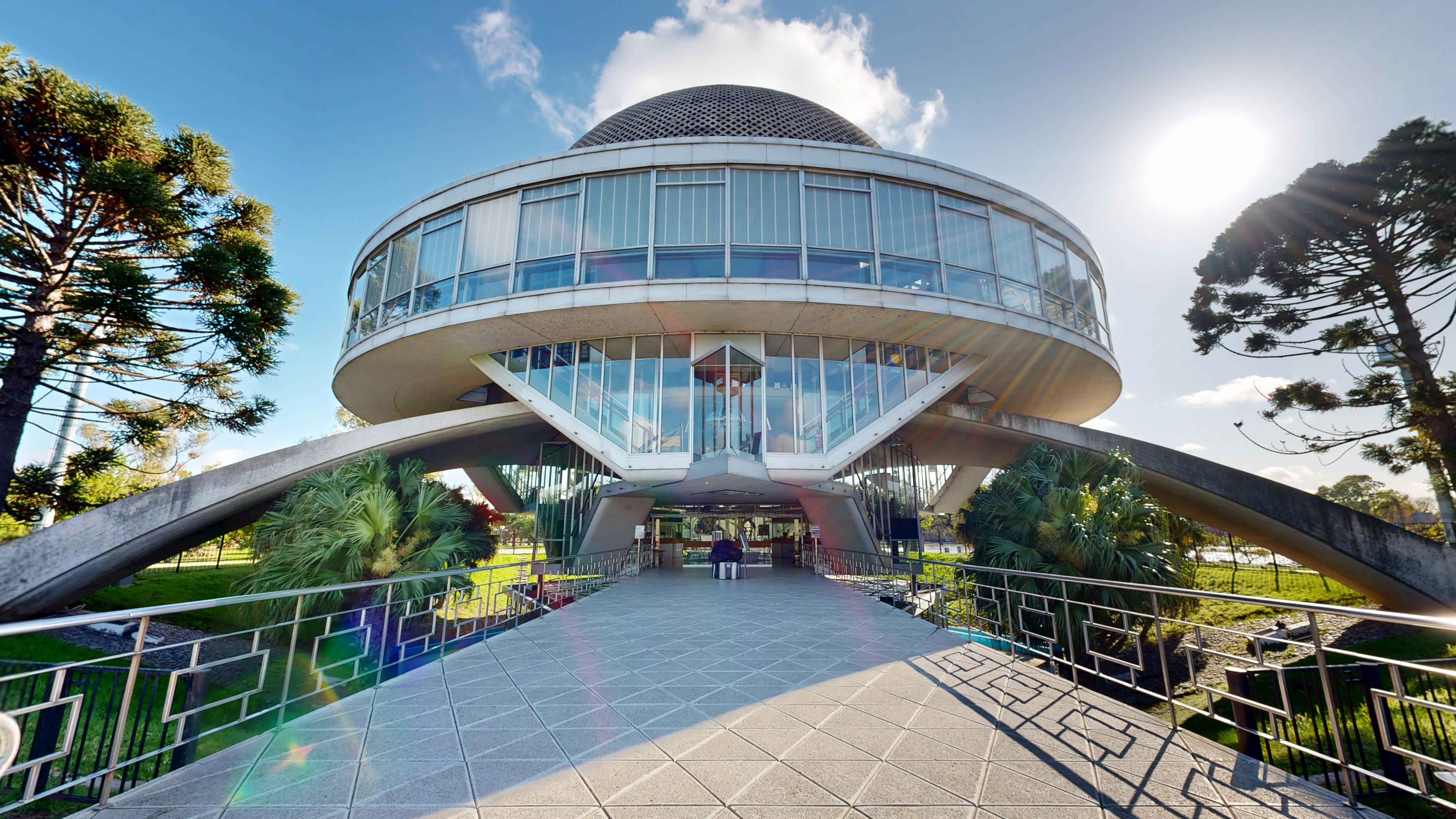

Galileo Galilei Planetarium
Galileo Galilei Planetarium
Galileo Galilei Planetarium
Museum
Museum
Infantil
Infantil
Ciencia
Ciencia
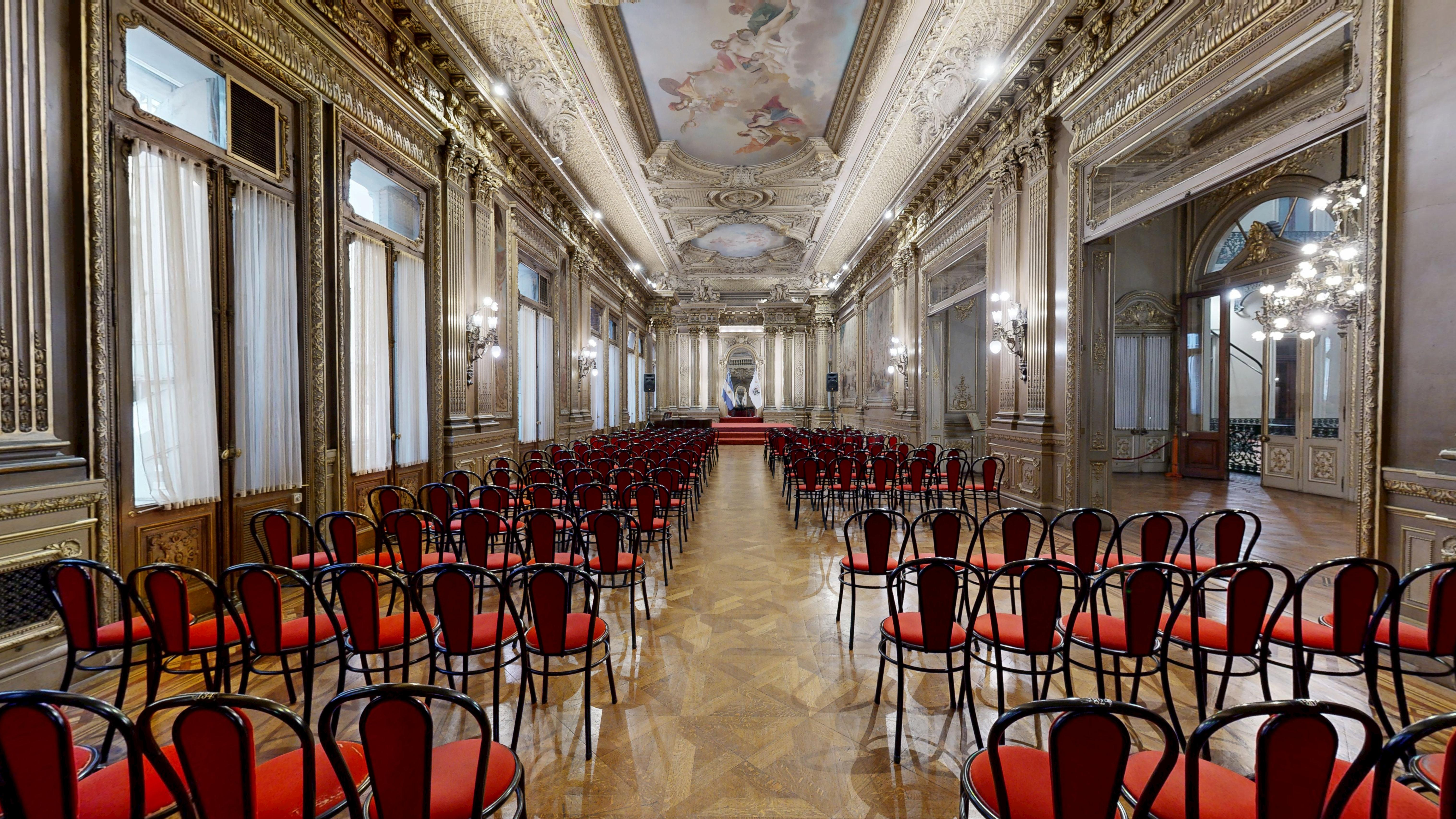

House of Culture
House of Culture
House of Culture
Cultural Center
Cultural Center
Concert hall
Concert hall
25 de Mayo Cultural Center
25 de Mayo Cultural Center
25 de Mayo Cultural Center
Cultural Center
Cultural Center
Concert hall
Concert hall
Theater
Theater
Created by

Vluks Media
Created by
Vluks Media
Created by
Vluks Media
Created by
Vluks Media